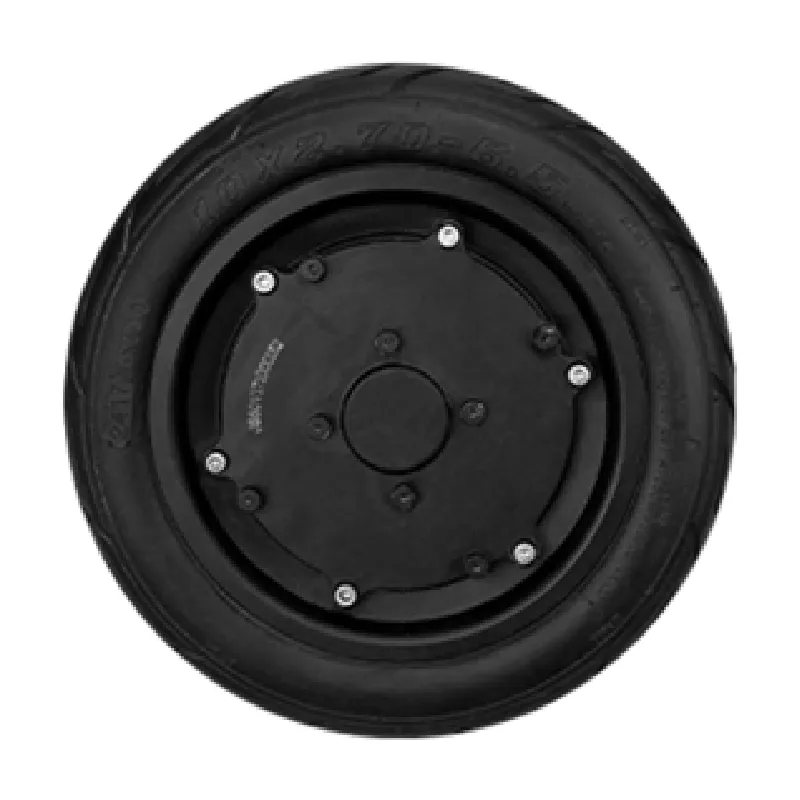
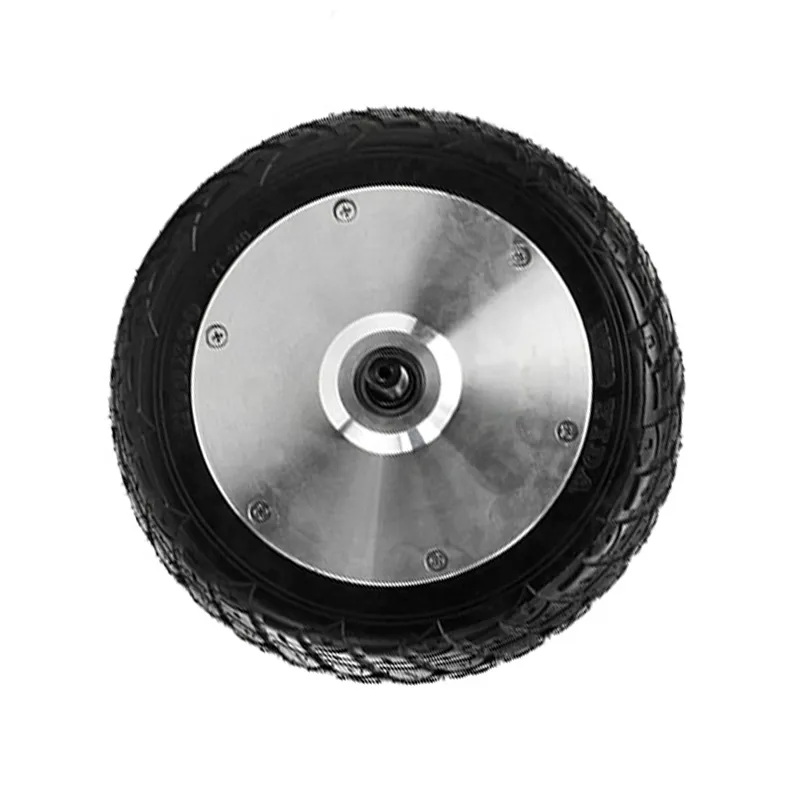
When comparing brushless wheel hub motors with similar voltage and rated power, a larger motor may have a different design envelope, but its outside dimensions alone do not establish how much torque it delivers, how fast it runs, or how well a vehicle climbs. These outcomes depend on the motor design, operating conditions, controller, and vehicle application.
WWTrade provides low-voltage brushless hub motors and related technical support. A useful comparison starts with the specifications and intended use—not a size-based assumption.
Dimensions can help determine whether a motor fits a wheel and vehicle design. They may also reflect design choices, but they are not a standalone performance specification. Two motors of similar size can differ in their electrical and electromagnetic design, while differently sized motors may be intended for different operating conditions.
| Factor | Why it matters | What to compare |
|---|---|---|
| Motor dimensions | Help assess physical fit; dimensions alone do not indicate output. | The specific dimensions and vehicle installation requirements. |
| Torque and operating speed | Describe different aspects of motor operation. Their relationship depends on the motor and operating point. | Available torque and speed specifications under comparable conditions. |
| Controller and electrical system | The matched system influences how the motor operates in an application. | Voltage, rated power, controller compatibility, and any stated operating limits. |
| Vehicle and use conditions | Climbing depends on the complete vehicle application, not the motor dimensions alone. | Vehicle load, wheel and vehicle configuration, terrain, and intended use. |
Rated power and voltage are useful starting points for comparing motors, but they do not replace torque, speed, and application-specific information.
Climbing performance is an application-level consideration. A meaningful assessment requires motor and system specifications alongside information about the vehicle and its intended use. Without those details, motor size—or a general comparison of rated power—cannot confirm how a particular setup will perform on a slope.
For a sound wheel hub motor comparison, treat size as a fitment consideration and evaluate torque, speed, electrical compatibility, and intended application using model-specific information. WWTrade can provide technical support for low-voltage brushless hub motor inquiries; suitability should be assessed against the requirements of the specific project.