Comprehensive Troubleshooting Guide for Tennis Ball Machine Motor Overheating and Noise: Load Overstress and Bearing Wear Analysis
This article provides an in-depth analysis of common motor issues in tennis ball machines, focusing on abnormal overheating and noise during operation. It explores multiple fault causes including excessive load, bearing wear, voltage fluctuations, and moisture intrusion, with a specialized emphasis on the impact of the 62mm segmented structure on dynamic balance. Offering professional and actionable inspection steps, practical tool usage guidance, and real maintenance case studies, it aims to assist equipment operators and DIY enthusiasts in quickly diagnosing and effectively resolving faults, thereby minimizing downtime and enhancing maintenance efficiency and user experience.

Troubleshooting Tennis Ball Machine Motor Overheating and Noise: Load & Bearing Wear Explained
Tennis ball machines are powerful tools for players and coaches alike, but when the motor starts overheating or producing excessive noise, operational disruptions follow. Understanding these faults' root causes—such as excessive load, bearing wear, voltage fluctuations, and moisture ingress—is essential to maintaining machine efficiency and minimizing downtime.
Key Causes of Motor Overheating and Noise
Motor overheating and unusual sounds often result from mechanical and electrical stressors. Excessive load due to internal or external resistance forces the motor to work beyond capacity, generating heat and stressing components. Simultaneously, bearing degradation creates friction and imbalance, compounding noise and heating issues. Fluctuating power supply and moisture can further accelerate motor deterioration.
62mm Aperture Design: Its Role in Dynamic Balance
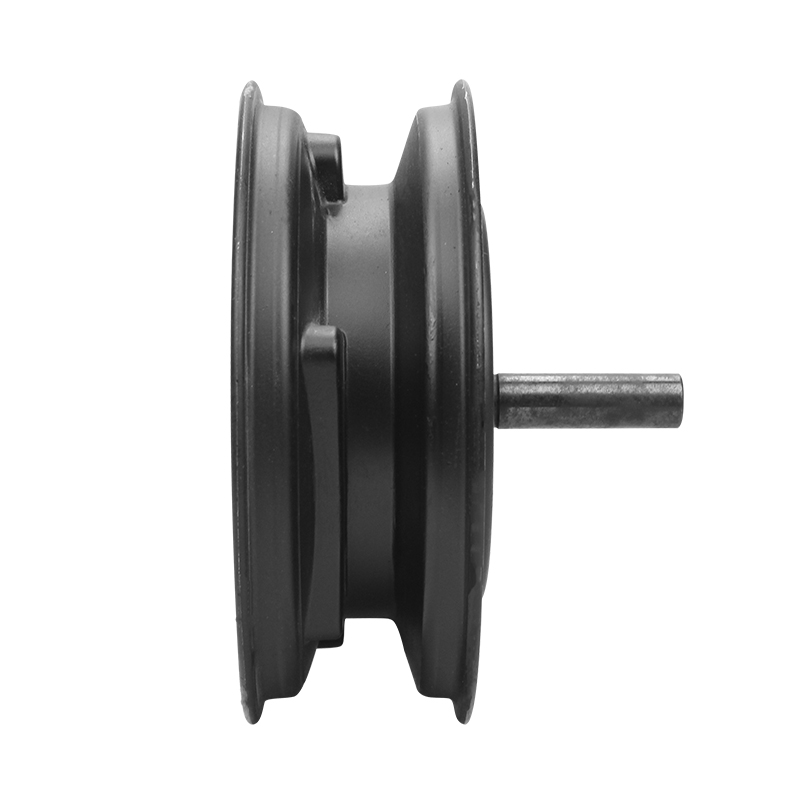
The 62mm open aperture structure prevalent in many tennis ball machines plays a crucial role in dynamic balancing. Precise alignment within this aperture ensures stable rotation and lowers vibration-induced noise. Misalignments or wear within this assembly disrupt balance, intensifying mechanical noise and uneven wear patterns, leading to premature motor failure.
Step-by-Step Troubleshooting Approach
Effective troubleshooting balances theory and practice. Operators are advised to follow these steps using basic diagnostic tools:
- Visual Inspection: Check for visible bearing wear or lubricant leaks.
- Load Measurement: Use a torque meter or consult motor specs to confirm operation within rated load—typically 75-85% of stall torque.
- Electrical Diagnostics: Employ a multimeter to monitor voltage input stability. Fluctuations beyond ±5% of nominal voltage indicate problematic power supply conditions.
- Noise Localization: Utilize a mechanic's stethoscope or listening device to pinpoint abnormal sounds associated with worn bearings or misalignment.
- Moisture Check: Inspect sealed components and circuit boards for humidity exposure, which can degrade insulation resistance.
Real-World Maintenance Case Study
A mid-tier tennis club encountered repeated motor overheating within two months of deployment. Initial assumptions pointed to electrical faults, but a systematic check revealed bearing abrasion caused by dust contamination inside the 62mm aperture. After replacing bearings and implementing regular cleaning schedules, overheating dropped by 60%, and noise complaints ceased. This case underscores the value of holistic inspection rather than isolated symptom treatment.
Practical Tools for Easy Diagnosis
- Digital Multimeter: For checking electrical current, voltage, and resistance.
- Mechanic’s Stethoscope: Essential for isolating mechanical noises inside confined motor assemblies.
- Infrared Thermometer: Non-contact device for spotting hot spots on motor casing.
Preventive Measures & Best Practices
To safeguard motor longevity and reduce service downtime, operators should:
- Ensure load remains within manufacturer’s recommended parameters.
- Schedule routine bearing inspections and lubrication every 200 operating hours.
- Maintain clean, dry operational environment to prevent moisture ingress.
- Use surge protectors or stabilized power supplies to avoid voltage spikes.