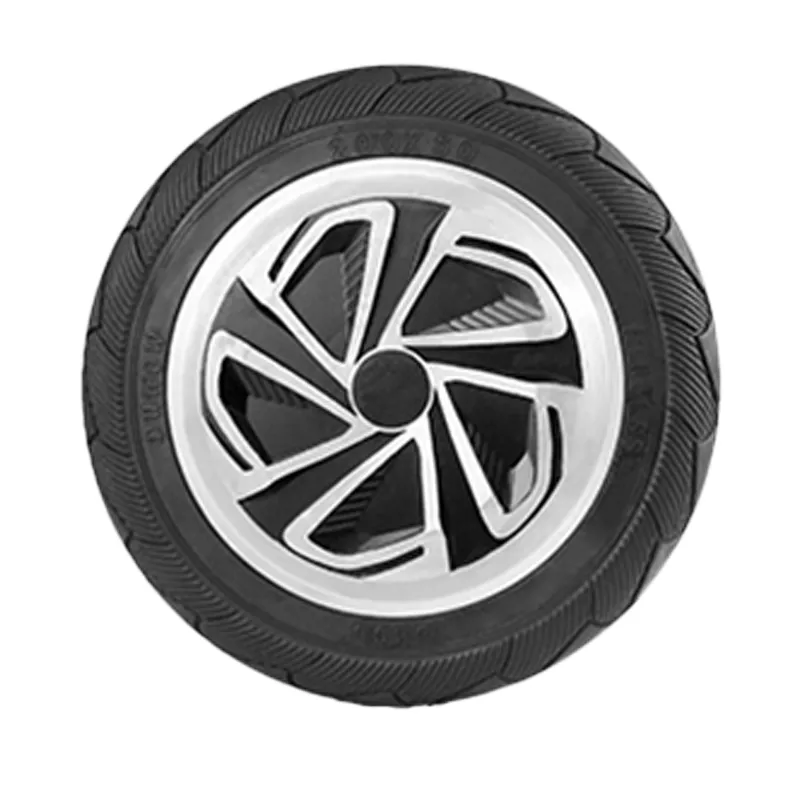
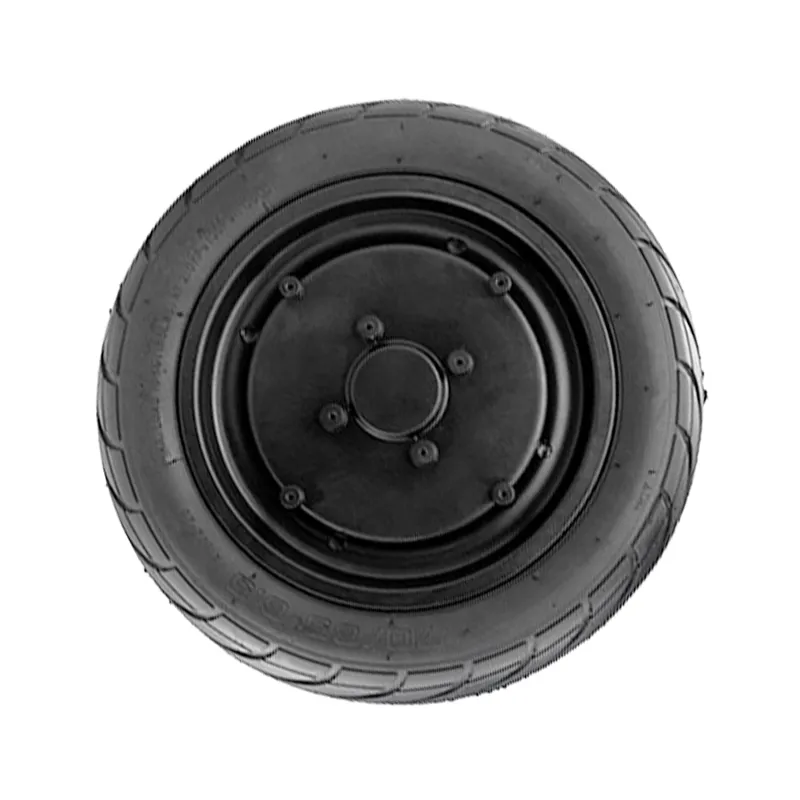
At overseas warehouse handling vehicles, AGVs , and industrial flatbed truck delivery sites, engineers' most common complaints are not about motor performance, but rather "cannot be installed, cannot be installed stably, and require rework after installation." Once drive units enter mass production, any seemingly minor dimensional deviation can be amplified into lost work time, line downtime, and after-sales costs. Experience shows that assembly bottlenecks are usually concentrated in the motor shaft end structure: inconsistent assembly clearances, difficulty in alignment, inconsistent locking methods, heavy reliance on on-site tools, and time-consuming maintenance and disassembly. Therefore, more and more overseas customers are shifting their focus from "power/torque" to "rapid deployment capability."
Standardization is not simply about "making everything the same," but about bringing the key variables affecting assembly consistency within a controllable range. This article focuses on a type of structure that is easier to mass-produce in overseas projects: a 62mm opening size + double-sided threaded shaft . Its value lies in engineering the four actions of "alignment, positioning, locking, and disassembly/assembly," reducing reliance on the experience of assemblers and on-site temporary modifications.
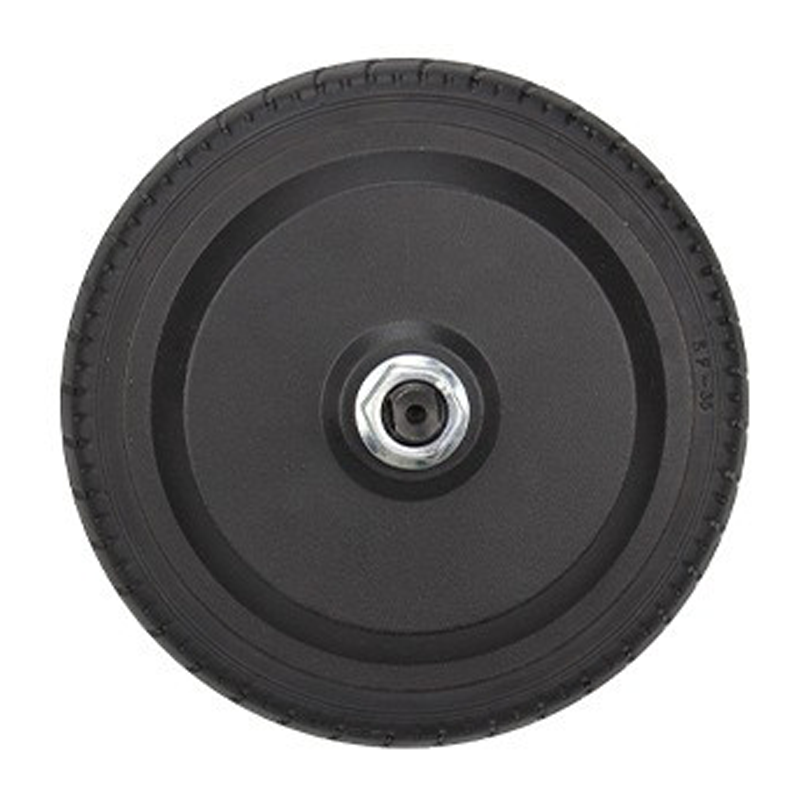
In the small-batch prototype stage, non-standard shafts can often be "installed by adjustment." However, when entering the batch delivery rhythm of 50-200 units, which is common for overseas customers, the error chain becomes sensitive: deviations in bracket hole positions, inconsistent shaft end locking methods, and numerous specifications of matching fasteners can all cause drift in the assembly cycle. The worst thing on site is not a single deviation, but that "every single one is different."
| Comparison Dimensions | Non-standard axis (common condition) | Standardized motor shaft (62mm opening + double-sided thread) |
|---|---|---|
| Assembly alignment | Relying on the assembler's experience, shims/temporary adjustments are often required. | The benchmark is clearer, and the alignment process can be streamlined. |
| Locking consistency | With diverse end structures, torque control is difficult to standardize. | The threaded locking path is clearly defined, facilitating torque management. |
| Rhythm and Working Hours (Reference) | Assembly time for a single unit varies considerably, ranging from 18 to 35 minutes. | A single unit takes 10–18 minutes to assemble more stably. |
| After-sales disassembly and assembly (for reference) | Disassembly and assembly can take 30–60 minutes and may damage the shaft end/parts. | Disassembly and assembly take 15–30 minutes, with more controllable tools and processes. |
| Spare parts management | Fasteners/connectors come in a wide variety of specifications, leading to high inventory pressure. | More standardized specifications, lower spare parts and training costs |
The above times are common engineering reference ranges in overseas projects (affected by tooling, skill level, and batch size). The real difference often lies in "volatility": standardized structures can significantly reduce the dispersion of assembly cycle time, making production lines and delivery plans more predictable.
When introducing new drive solutions, overseas customers typically require that the components be "replaceable, replicable, and maintainable." Structurally, the 62mm opening size reduces uncertainty in installation references: brackets, wheel sets, and reduction/coupling components are easier to align across different supply chains. The double-threaded shaft transforms the locking action from "on-site judgment" to "standardized operation," facilitating the development of process specifications such as torque, adhesive application, and anti-reverse measures.
Assembly repeatability
The rework rate target for the same batch of assembly can be reduced from 3%–6% to 1%–2% (depending on the consistency of tooling and incoming materials).
Torque manageability
Locking torque can be standardized (e.g., 35–80 N·m range selected according to specifications), reducing reliance on "feel".
Maintenance and disassembly time
When it is necessary to replace wheelsets/bearings/connectors, disassembly and assembly time can be reduced by approximately 30%–50%.
Spare parts and training
After the standards are converged, the training cycle for overseas service teams can often be reduced from 2–3 days to 1–2 days.
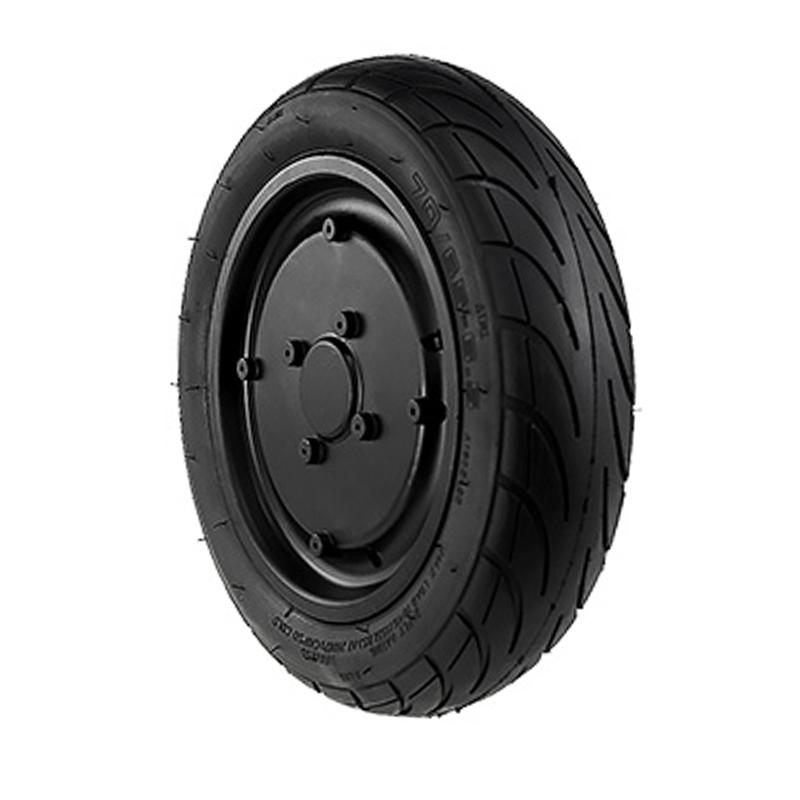
In warehousing and in-plant logistics applications, "availability" is just the bottom line; " rapid deployment " is the cost center. The pain points of different vehicle types are slightly different, but they converge on the axle end structure: warehouse handling vehicles focus more on assembly cycle time and consistency; AGVs focus more on maintainability and spare parts availability; and industrial flatbed trucks often focus on impact resistance and long-term stability.
| Application scenarios | Common assembly/maintenance bottlenecks | <
|---|