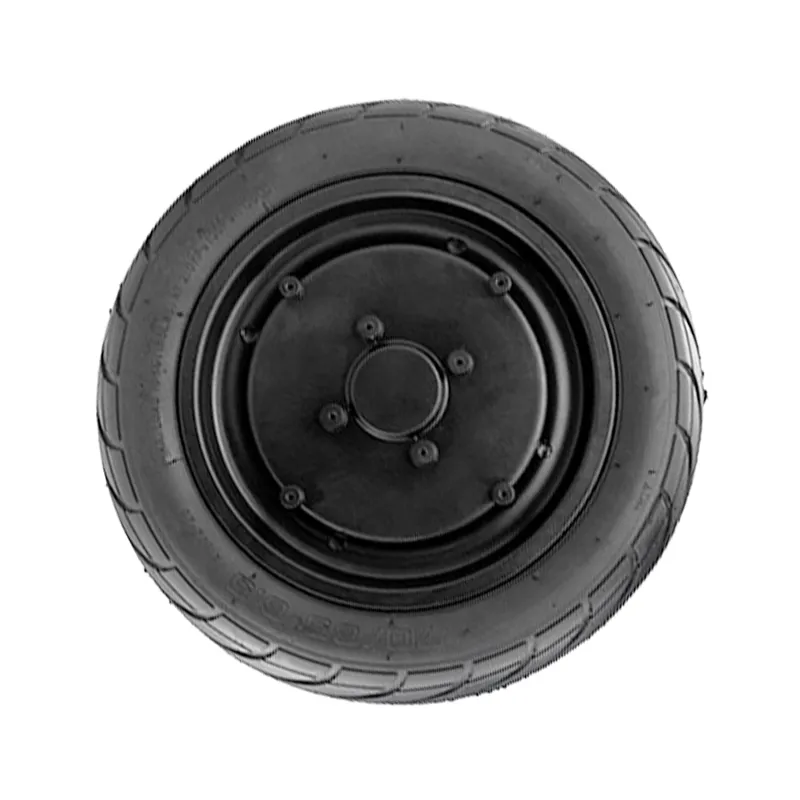
As manufacturers across industries push toward modular and integrated systems, the need for standardized assembly techniques has never been more critical. A recent case study from a leading European logistics automation provider shows that adopting a standardized interface design—specifically using bilateral threaded shafts—reduced component replacement time by up to 40% and cut project delivery cycles by an average of 18 days. These aren’t just numbers—they’re real-world proof that standardization doesn’t mean compromise.
In traditional industrial equipment design, customization often meant custom machining, longer lead times, and inconsistent quality. But today’s smart factories demand flexibility without sacrificing reliability. That’s where innovative solutions like non-machined interfaces come in. By designing components that require no secondary processing post-manufacture, companies can ensure consistency across thousands of units while enabling rapid integration into existing platforms—such as warehouse forklifts or AGVs (Automated Guided Vehicles).
Key data point: According to a 2023 McKinsey report, manufacturers who implemented standardized mechanical interfaces saw a 27% reduction in maintenance costs over three years due to fewer part failures and easier troubleshooting.
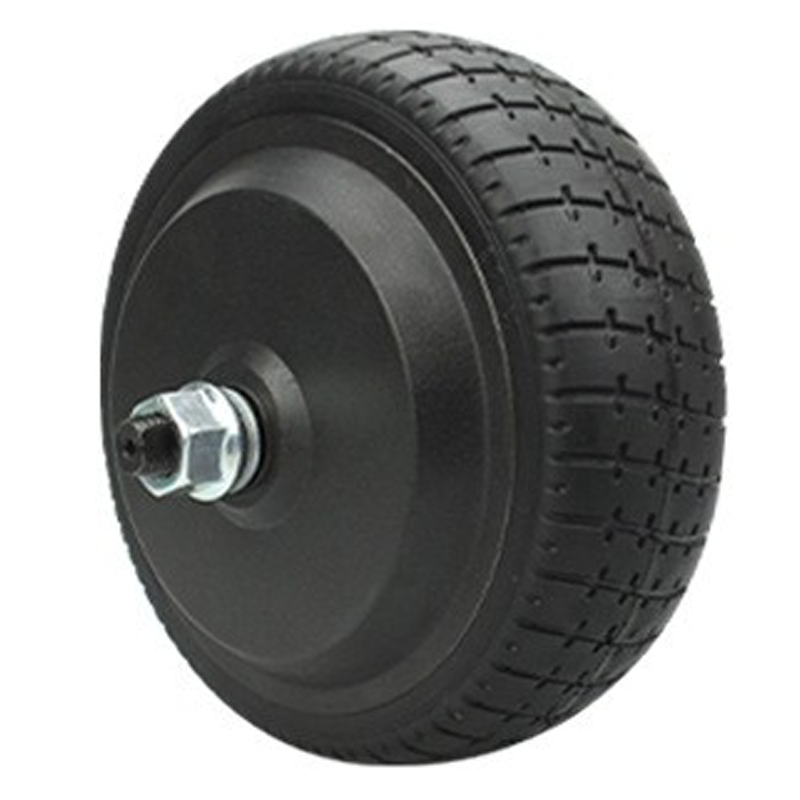
Take one client—a global supplier of material handling robots—who adopted this approach for their new generation of AGVs. Previously, each robot variant required unique mounting brackets and connectors. With the introduction of a universal interface based on dual-threaded shafts, they achieved:
This isn’t just about engineering—it’s about operational efficiency, scalability, and customer satisfaction. Engineers can now focus on innovation rather than re-inventing fastening systems. Product managers gain agility. And end-users enjoy reduced downtime and predictable service intervals.
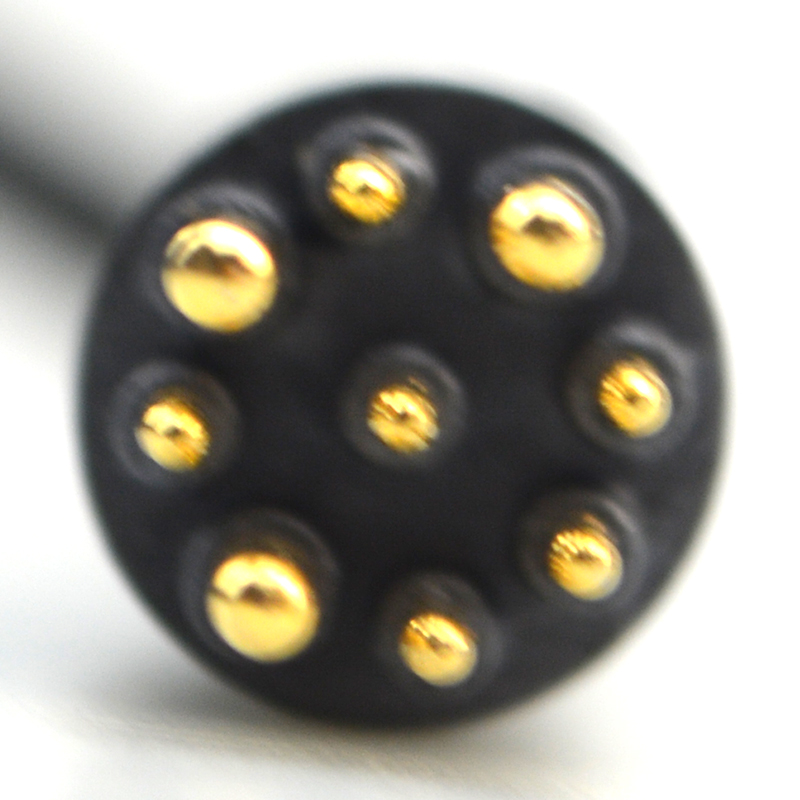
The secret lies in thinking beyond the bolt—to how every interface becomes a potential ecosystem enabler. Whether you're building a new product line or optimizing legacy equipment, standardizing your core connections is no longer optional. It's the foundation of resilience in modern manufacturing.

.png?x-oss-process=image/resize,h_800,m_lfit/format,webp)