Stable delivery in a low-voltage e-powertrain (three-electric) project depends on more than a good design. For B2B teams, delivery stability is built through clear requirement alignment, disciplined engineering validation, repeatable manufacturing execution, and a quality system that supports ramp-up into mass production.
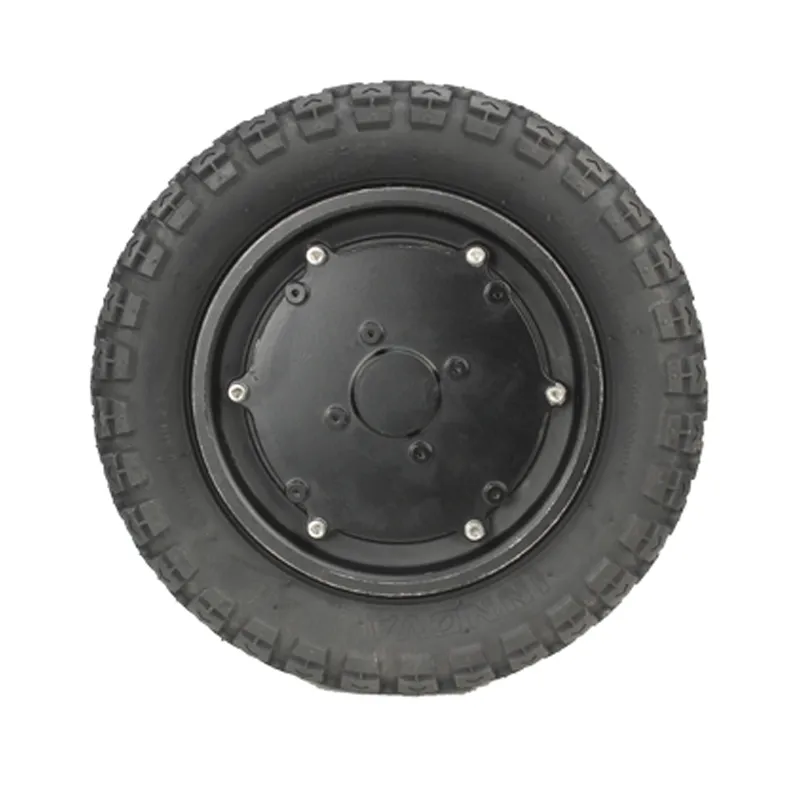
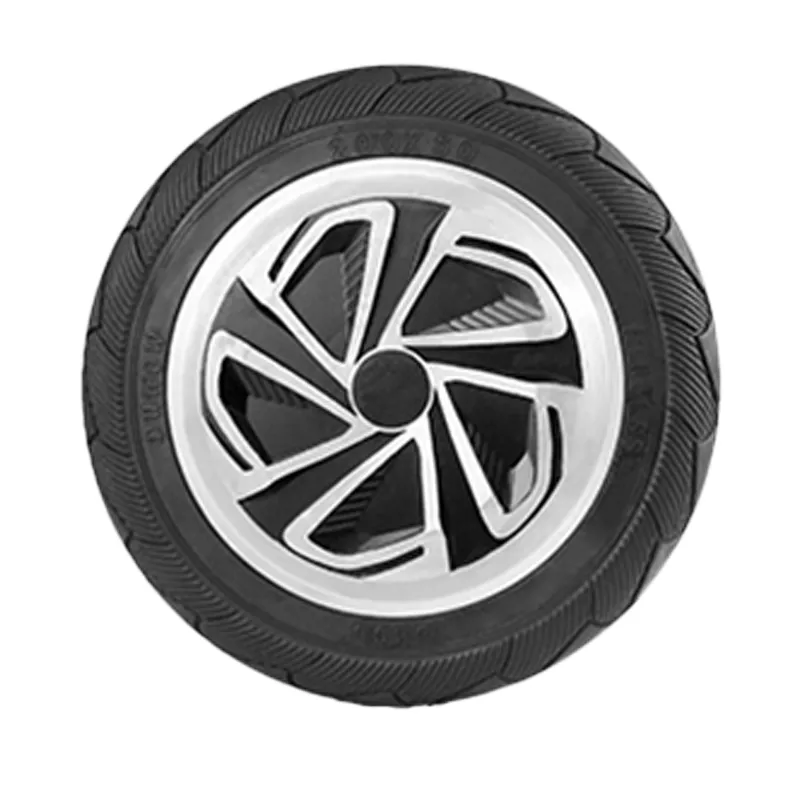
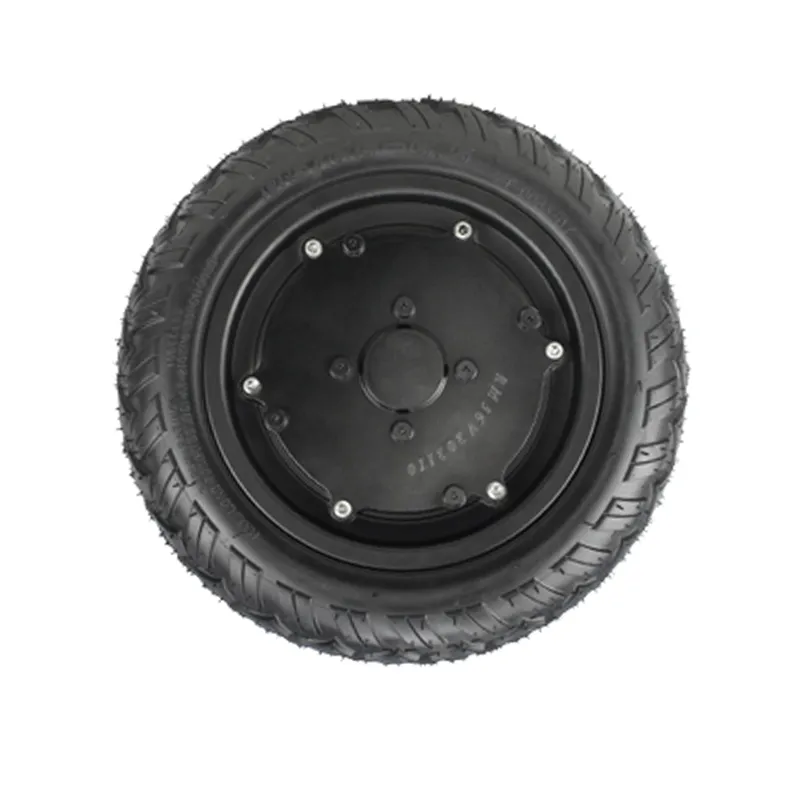
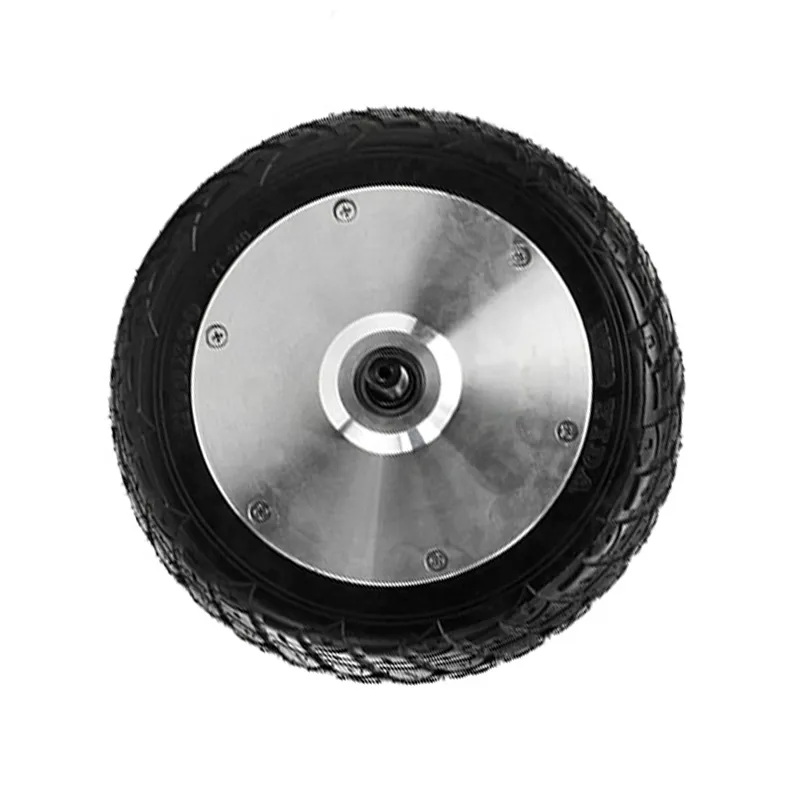
Shenzhen Jinhaixin Holdings Co., Ltd (Shenzhen Jinhaixin) supports customers with an integrated workflow across custom R&D, manufacturing, and quality management—covering key deliverables such as brushless hub motors, drive controllers, and energy battery packs.
In low-voltage e-powertrain collaboration, early alignment reduces downstream rework and schedule risk. Shenzhen Jinhaixin typically structures requirement alignment around measurable acceptance criteria and clear interfaces between motor, controller, and battery pack.
Custom development is most reliable when design decisions are continuously validated against manufacturability and quality control needs. As an integrated design–manufacturing enterprise, Shenzhen Jinhaixin emphasizes engineering outputs that can be consistently built, tested, and improved through iteration.
| Stage | Purpose | Delivery-Risk Controls | Typical Outputs |
|---|---|---|---|
| Custom R&D | Translate requirements into feasible system design | Interface definition, version control, change review | Design baseline, key specs, interface documents |
| Engineering Validation | Verify design behavior and integration readiness | Test plan linked to acceptance criteria, issue tracking | Validation records, corrective actions, updated baseline |
| Manufacturing Readiness | Ensure the design can be built repeatedly at scale | Process definition, inspection points, build instructions | Work instructions, inspection plan, pilot-build feedback |
| Ramp-up to Mass Production | Stabilize throughput and supply continuity | Batch control, corrective/preventive action, supplier coordination | Release status, batch quality records, steady delivery cadence |
For B2B programs, the goal is not “a prototype that works,” but a validated baseline that can be reproduced—consistently—through pilot builds and mass production.
Stable delivery requires manufacturing processes that are defined, controlled, and executable across planned capacity. With production bases distributed across Shenzhen, Dongguan, Changzhou, and Hainan, Shenzhen Jinhaixin focuses on operational discipline to support continuity from engineering builds to batch production.
The same delivery logic applies across low-voltage three-electric components, especially where interface and consistency matter.
Quality management is the backbone of stable delivery. Shenzhen Jinhaixin operates with a structured quality management approach to keep output stable and to close issues through corrective and preventive actions—supporting both short-term shipment reliability and long-term product consistency.
Define quality checkpoints, clarify acceptance criteria, and align process controls with product characteristics.
When deviations occur, isolate impact by batch and version to protect shipments and downstream assembly.
Implement closed-loop corrective actions and feed learnings back into engineering and production documentation.
Note for procurement and engineering teams: For customized low-voltage e-powertrain programs, ask your supplier how requirement changes are managed, how engineering validation results are recorded, and how batch traceability is maintained through ramp-up—these are practical predictors of stable delivery.
Shenzhen Jinhaixin is a trade-and-manufacturing integrated company focused on low-voltage three-electric systems, providing design, development, customization, production, and sales. This integrated model supports faster coordination between R&D decisions and factory execution—helpful when projects must move from concept to stable batch delivery.
By keeping requirements, engineering validation, manufacturing execution, and quality management connected end-to-end, low-voltage e-powertrain collaboration can achieve the practical outcome B2B teams care about most: stable delivery from custom development through mass production.