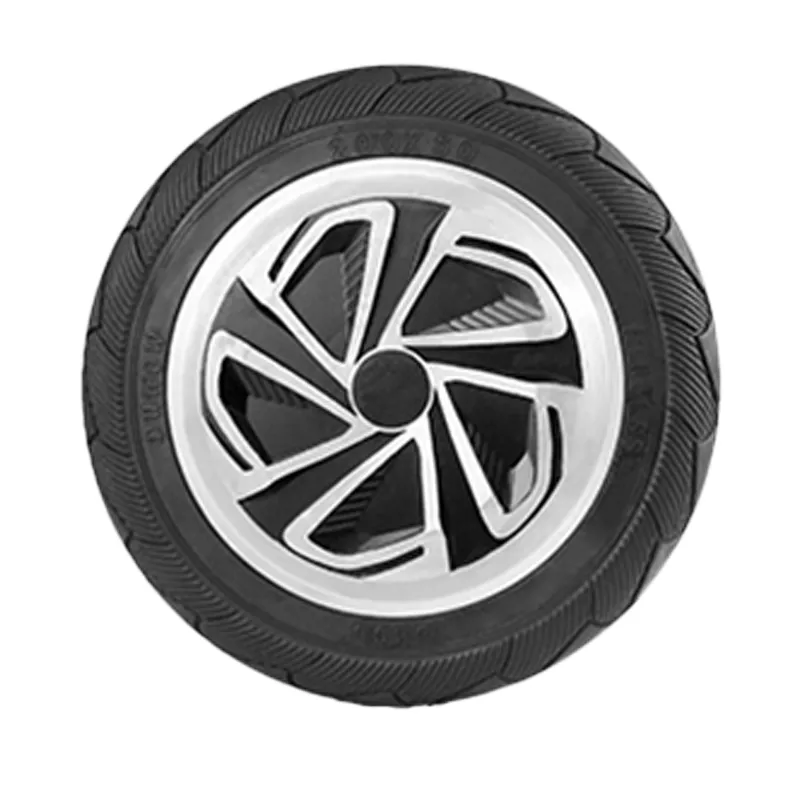
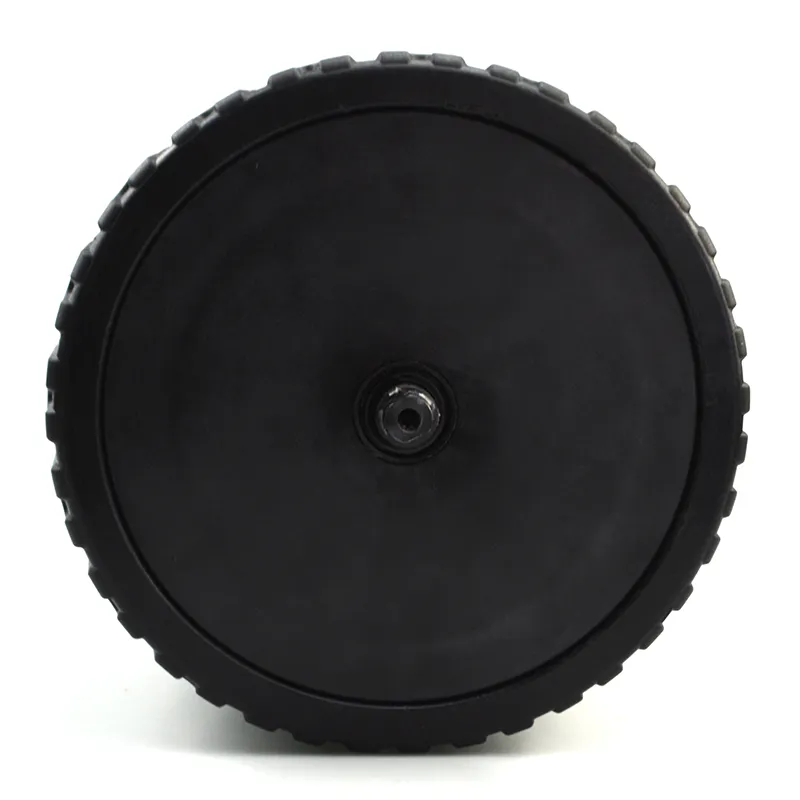
In small electric karts, “efficiency” is rarely just about motor efficiency on a datasheet. It’s also the sum of magnetic utilization, torque smoothness, bearing alignment, structural rigidity, thermal stability, and how well the wheel-end assembly stays concentric under load. This is where an 8-inch outrunner hub motor paired with a single-side press-fit shaft structure can deliver measurable gains—especially in low-speed, high-torque duty cycles typical of rental fleets, indoor tracks, and lightweight performance builds.
Outrunner hub motors place the rotor on the outside, increasing the effective air-gap radius. For a similar electromagnetic design, torque scales with radius—so an outrunner can achieve strong wheel torque at lower current density than an inrunner of comparable diameter. In kart applications, that tends to translate into smoother launches, less controller stress, and improved thermal headroom during repeated stop-go cycles.
In a well-optimized 8-inch outrunner, designers typically aim for a strong yet stable flux path with minimal local saturation at stator teeth. As a practical reference, many traction-grade hub motors target peak efficiencies around 85–92% near their primary operating point, while the “system efficiency” at the wheel can drop significantly if concentricity and bearing preload are not controlled.
Winding layout also matters more than many buyers expect. Distributed windings usually deliver lower torque ripple than concentrated windings, while slot/pole combinations influence cogging. In a kart that spends time at low speed (corner exits, pit lanes, indoor hairpins), lower cogging and smoother commutation can reduce micro-vibrations that otherwise propagate into the chassis and steering column.
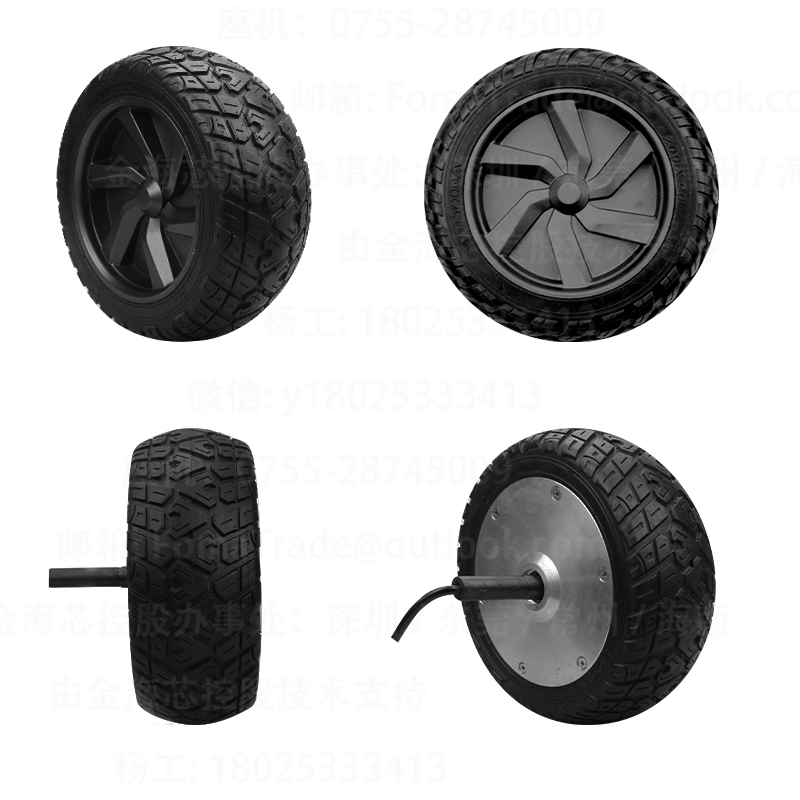
Traditional dual-side support structures can be robust, but in compact kart packaging they also introduce more stacked tolerances: two bearing seats, two coaxial references, and more opportunities for misalignment after thermal cycling or impact loads (curbs, wheel-to-wheel contact, potholes in outdoor tracks). The single-side press-fit shaft approach simplifies the reference chain—when executed correctly, it can increase practical drivetrain efficiency by keeping the air gap and rotating assembly more stable under real-world load.
*Reference ranges reflect common small traction assemblies; final targets depend on bearing type, hub geometry, and duty cycle.
When axial stability improves, buyers typically notice three tangible outcomes: less vibration at the wheel end, more consistent torque transfer during acceleration, and fewer “mystery” faults (like intermittent rotor rub, encoder noise, or fastener loosening). In other words, the motor may not change, but the system behaves like a better motor because alignment and losses are controlled.
“In compact wheel-end drives, the fastest efficiency wins are often mechanical: keep the rotating assembly concentric, maintain bearing preload, and prevent air-gap breathing under load. Electrical optimization can’t compensate for wobble.”
— Field note commonly echoed in traction motor commissioning teams and drivetrain NVH audits
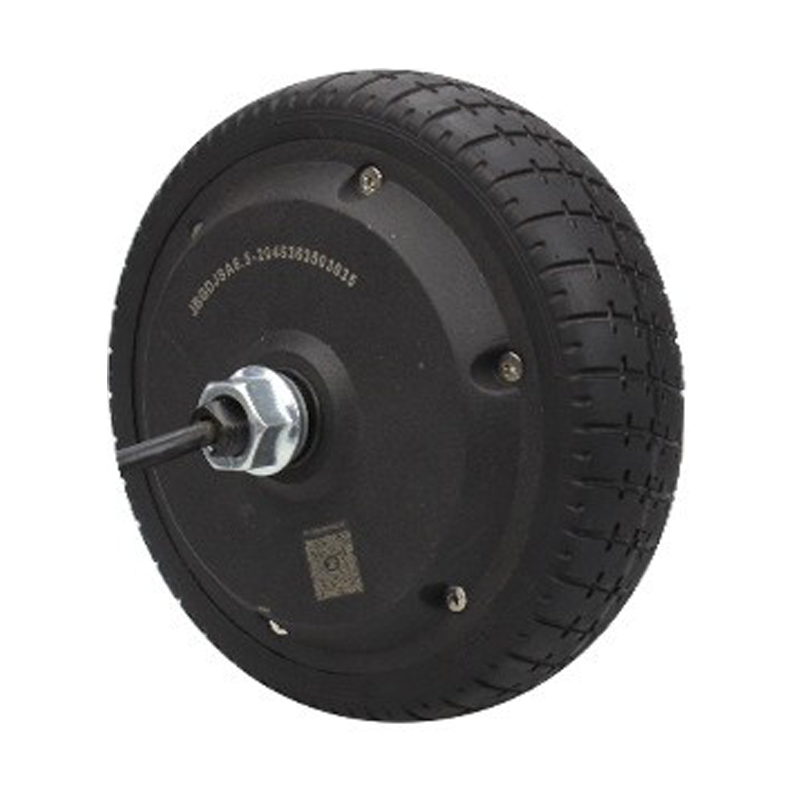
Small karts are unforgiving thermally. Limited airflow, repeated acceleration, and high current at low speed can push winding temperatures quickly. Once copper temperature rises, resistance increases; as a practical rule of thumb, copper resistance climbs about 0.39% per °C. A 50°C rise can mean roughly ~20% higher resistance—more I²R losses, more heat, and a higher chance of thermal derating.
This is where mechanical integrity links back to efficiency: if the structure reduces vibration and maintains bearing alignment, you reduce parasitic losses and keep temperatures more stable. In many compact drivetrains, even a 1–3% system efficiency improvement can be the difference between “runs hot” and “runs all session,” particularly in fleet environments.
Single-side press-fit shaft assemblies can be highly repeatable—but only if installation discipline is treated as part of the design. Many wheel-end problems blamed on “motor quality” are actually tolerance stack issues introduced during mounting.
One common failure pattern in small karts is an initially quiet system that becomes noisy after a few heat cycles. Often the root cause is not electromagnetic—it's a small loss of clamp load, a tiny alignment drift, or an interface that frets under vibration. Treating mounting surfaces and torque procedures as controlled parameters can prevent that “slow degradation” behavior.
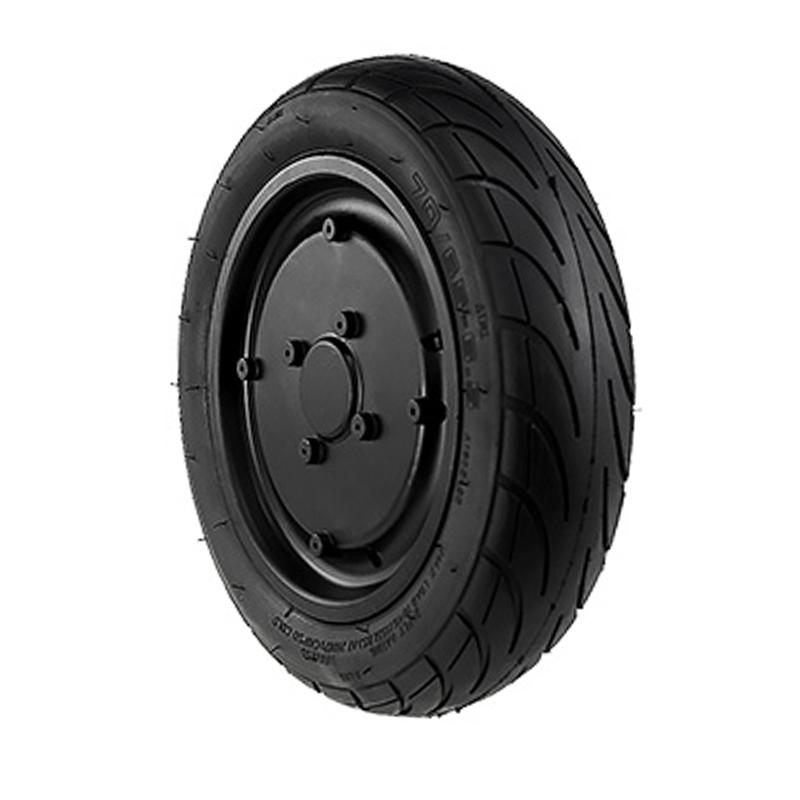
In a typical light kart build (single driver, short sessions, frequent braking/acceleration), teams that move from a less controlled wheel-end mounting approach to a well-executed single-side press-fit shaft hub assembly commonly report:
As a reference benchmark, many compact EV drivetrains treat 1–3% wheel-end efficiency improvement as meaningful; over a day of fleet operation, that can manifest as cooler components, fewer thermal cutbacks, and more stable runtime.
To make a technical choice that survives real track abuse, buyers can request a short evidence pack. Not marketing slides—just the essentials that show the motor and wheel-end structure were designed as a system:
For teams building a reliable kart program, this is the difference between a motor that looks good in CAD and a drive that keeps delivering torque when the track gets hot and the schedule gets tight.
If your team is evaluating an 8-inch outrunner hub motor and wants a clear path from spec sheet to track-ready reliability, WWTrade can help you shortlist configurations, review mounting interfaces, and align torque/thermal targets with your duty cycle—without overcomplicating the build.
Specs are only step one. Request recommended mounting torque ranges, runout targets, sensor options, and thermal checkpoints tailored to small kart duty cycles.
WINAMICS 8-Inch Outrunner Hub Motor — Engineering Support & Selection