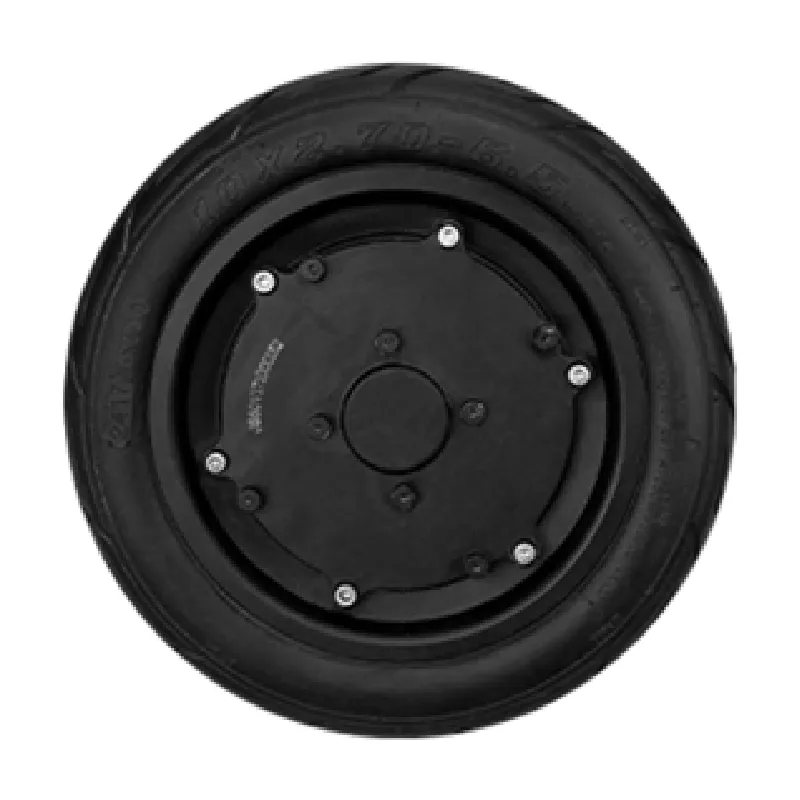
Electric campervans are becoming increasingly popular for their eco - friendly nature and convenience. However, one common issue that owners may encounter is the abnormal temperature rise of the motor without any fault codes. This article aims to provide a comprehensive guide on how to deal with this problem.
There are several reasons why the motor of an electric campervan may overheat without fault codes. Firstly, dirty motor casings can impede heat dissipation. A build - up of dust and debris on the motor surface can reduce its ability to release heat, causing the temperature to rise. Secondly, loose threaded connections can lead to increased resistance, generating more heat during operation. Additionally, insufficient lubrication of transmission components can cause friction, which in turn raises the temperature of the motor.
Regular maintenance is crucial for preventing motor overheating. By conducting routine checks, you can identify and resolve potential issues before they escalate. For example, cleaning the motor casing once every three months can significantly improve heat dissipation. Tightening the threaded connections and checking the lubrication of transmission parts every six months can also ensure the smooth operation of the motor.
When it comes to maintaining the motor of an electric campervan, there are several key inspection steps to follow. First, clean the motor casing thoroughly using a soft brush and a mild cleaning agent. This helps to remove any dirt or debris that may be blocking the heat - dissipation channels.
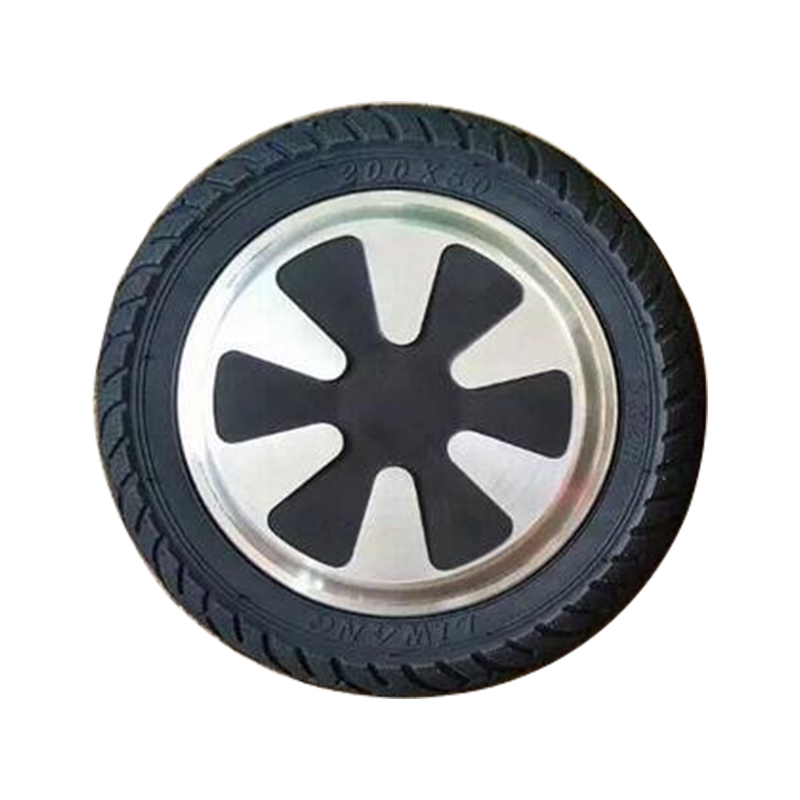
Next, check the tightness of the threaded connections. Use a torque wrench to ensure that the bolts are tightened to the recommended specifications. Special attention should be paid to the biaxial threaded structure, which is prone to rust and foreign object accumulation. Rust can be removed by using a rust - remover, and foreign objects can be cleared with compressed air or a small brush.
Finally, evaluate the lubrication of the transmission components. Check the oil level and quality regularly, and replace the lubricant as recommended by the manufacturer.
An infrared thermometer is a handy tool for quickly and accurately measuring the motor temperature. To use it, simply point the thermometer at the motor surface from a distance of about 10 - 15 cm and press the measurement button. Take multiple readings at different points on the motor to get an accurate temperature profile. If the temperature exceeds the normal range (usually around 60 - 80 degrees Celsius), it indicates a potential problem.
It's not only the motor that needs attention. The battery and controller also play an important role in the performance of the electric campervan. Monitor the battery voltage and temperature regularly. A high - temperature battery can cause the motor to work harder, leading to overheating. Similarly, check the controller for any signs of overheating or malfunction. If you notice any abnormal behavior, such as a sudden decrease in power, it's advisable to have the controller inspected by a professional.
Many experienced electric campervan owners have shared their tips on motor maintenance. One of the key takeaways is to always follow the manufacturer's maintenance schedule. Another important point is to use high - quality lubricants and cleaning agents. Avoid using abrasive materials when cleaning the motor, as this can damage the surface and reduce its heat - dissipation efficiency.
At our company, we understand the importance of reliable electric campervans. Our products are designed and manufactured to the highest standards, ensuring long - term performance and durability. In addition, we offer comprehensive after - sales support. Our team of experts is always ready to provide technical assistance and answer any questions you may have.
If you're looking for high - quality electric campervans with excellent motor performance and reliable after - sales support, click here to learn more!