Minimum Viable Information (MVI): The Starting Point for Building Solution Content Without Full Context
WINAMICS explains how to start building solution content even when company context or topic definition is incomplete—by defining and collecting a Minimum Viable Information set (customer, pain points, delivery boundaries, evidence, and scenarios) to keep content reusable and archivably structured.
When solution pages must be produced fast—but product context, customer definition, and proof points are incomplete—teams often default to generic copy that cannot be reused, indexed, or archived. WINAMICS (a B2B manufacturer in the mechanical/electromechanical domain, focused on brushless hub motors, drive controllers, and energy battery packs) uses a practical approach: define a Minimum Viable Information (MVI) set before writing.
MVI is not a marketing slogan. It is the smallest structured set of facts that makes solution content accurate, scannable, and reusable across teams (sales, engineering, support, and distribution).
What “Minimum Viable Information (MVI)” contains
To build solution content without full context, capture the following fields first. If a field is unknown, record it as “TBD” rather than filling with assumptions.
1) Target customer profile (who it is for)
- Industry/segment and application type
- Buyer and user roles (e.g., OEM engineer, integrator, distributor)
- Integration maturity (prototype vs. mass production)
2) Core pain points (why they care)
- Performance constraints (stability, transmission efficiency, smooth running)
- Production constraints (installation time, rework, fitment risks)
- Quality and after-sales expectations (traceability, warranty handling, support scope)
3) Delivery boundary (what is included / excluded)
- What the product/service covers (hardware scope, configuration, documentation)
- What it does not cover (vehicle system design, custom machining, compliance certification—if not provided)
- Responsibilities at integration (who owns mounting, wiring, controller tuning, validation)
4) Evidence (what you can prove)
- Verifiable specs (dimensions, structure, part number/SKU)
- Quality management alignment and material/process notes (only what is true and available)
- Test/inspection records, constraints, and known limitations (if documented)
5) Typical scenarios (where it is used)
- Primary use cases and environment (e.g., small karts, leisure equipment)
- Operating patterns (stop/start, continuous run, load variation—if known)
- Fitment constraints that decide success/failure (space, wheel size, mounting style)
Example anchor: applying MVI to a WINAMICS hub motor
Below is a compact MVI record using a real product as the anchor, so teams can see how to turn “partial info” into structured, reusable solution content without adding unverifiable claims.
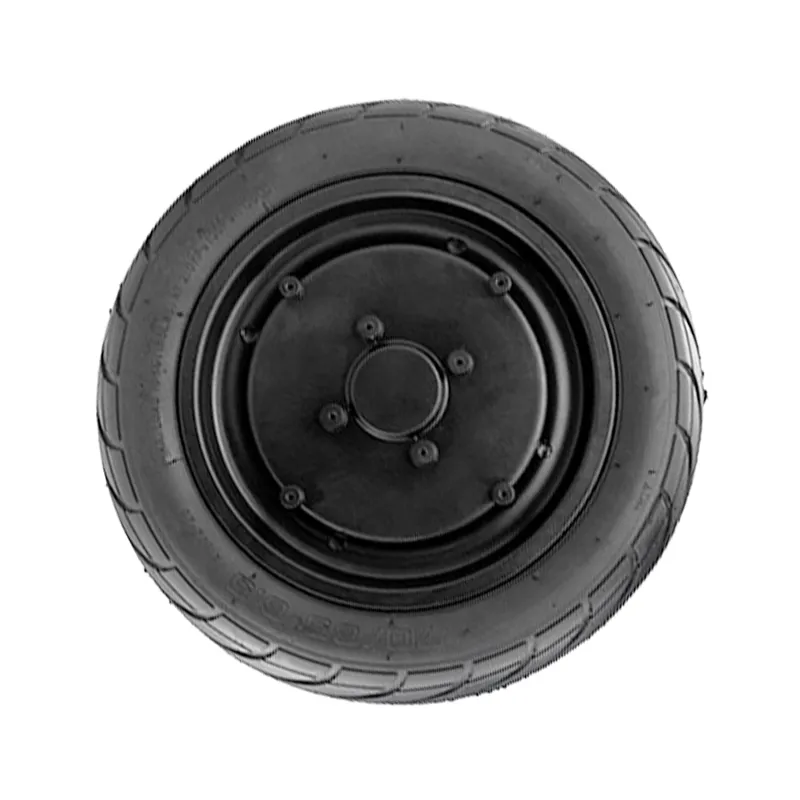
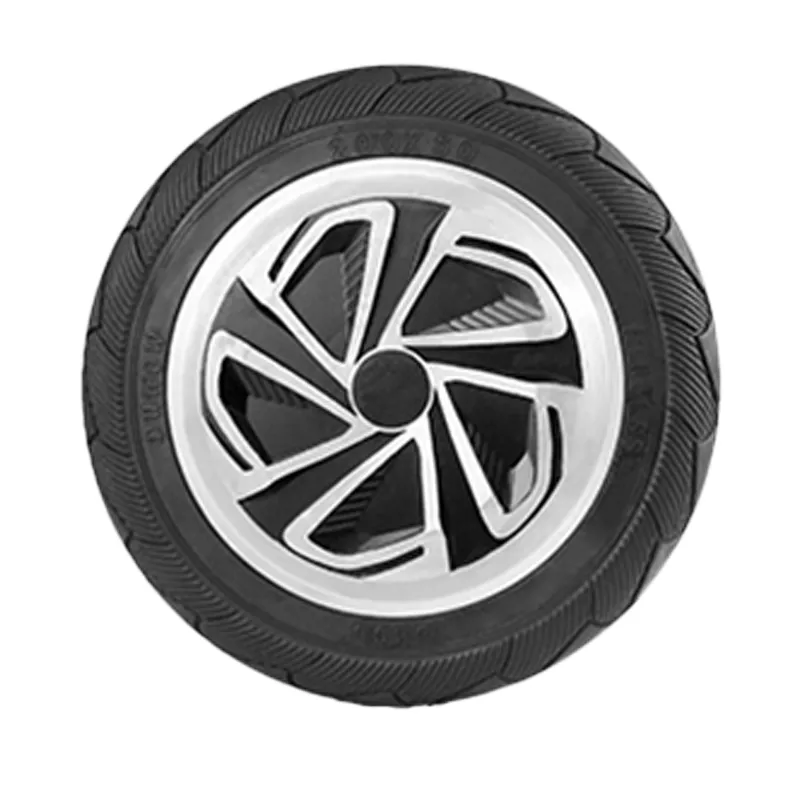
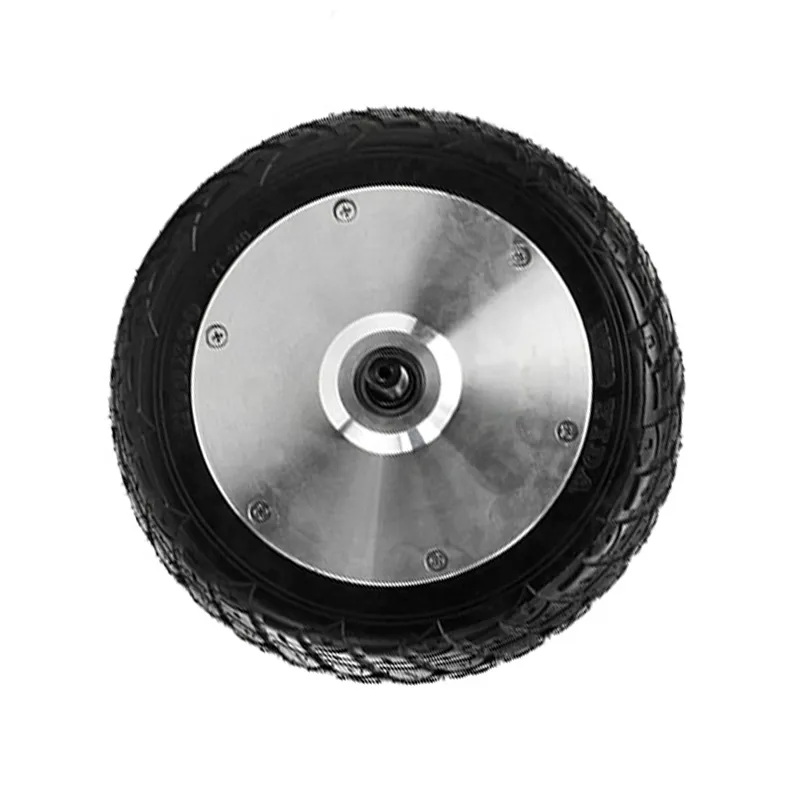
Product: 8-inch (diameter 200 mm) unilateral press-fit axle hub motor, conventional model (tire width 84 mm)
Series: Electric kart hub motor
SKU: 24428H02001050512303036D1-0807
| Customer profile |
B2B OEMs and integrators building small electric karts and leisure equipment that require a compact hub motor with defined wheel fitment.
|
| Pain points |
Stability during operation, efficient power transmission, and reducing installation time and rework caused by mismatched dimensions or mounting structures.
|
| Delivery boundary |
A hub motor built around a unilateral press-fit axle structure and defined wheel size (200 mm diameter, 84 mm tire width). Designed for direct installation without secondary machining in compatible assemblies. Integration details (vehicle system design, controller tuning, and full-system validation) depend on the customer’s system scope.
|
| Evidence |
Verifiable identifiers and properties: SKU, mechanical dimensions, and structure type. Manufactured with quality-controlled materials and processes as described by WINAMICS product documentation; after-sales support is available per agreement.
|
| Typical scenarios |
Small karting platforms and recreational devices where the wheel diameter and tire width are constrained and where a unilateral press-fit axle structure supports stable assembly and smooth running.
|
Why this example works as an “anchor”: it includes the minimum facts that can be indexed (SKU + dimensions + structure) while still describing scenario-fit and boundaries. That makes the content safe to reuse in a knowledge base and easy to expand later.
- Stable identifiers: series + SKU
- Non-negotiable fitment: 200 mm diameter, 84 mm tire width
- Design constraint: unilateral press-fit axle structure
Product highlights (fact-based)
- Unilateral press-fit axle structure to reinforce assembly stability and improve power transmission efficiency (as designed).
- 200 mm diameter × 84 mm tire width fitment, aimed at small kart/leisure equipment packaging needs.
- Designed for convenient installation in compatible builds, helping reduce labor time compared with solutions that require secondary machining.
- Quality-controlled manufacturing and after-sales support provided by WINAMICS per project terms.
A practical MVI workflow for B2B solution content
Use this workflow when a page must ship, but inputs are incomplete. It keeps delivery honest while making the page easy to enrich later.
-
Start with an anchor entity: product name + series + SKU + 3–5 immutable properties (e.g., diameter, tire width, structure).
-
Write the boundary before the benefits: what is included/excluded; what must be true for compatibility.
-
Map scenarios to constraints: connect the application (karts/leisure equipment) to fitment and assembly constraints—not generic “high performance”.
-
Attach evidence you can maintain: datasheet references, inspection records, quality notes, and support scope (only if available internally).
-
Mark unknowns as TBD: voltage level, controller pairing, load curves, or test metrics should not be guessed; queue them for later collection.
Result: Even with missing context, the page remains structured, indexable, and safe to reuse—because it is built on minimum viable facts, explicit boundaries, and scenario-fit.
How WINAMICS can support your content-to-integration process
For B2B buyers evaluating hub motors for small electric karts or recreational equipment, WINAMICS can provide the product-side inputs that make MVI complete—such as confirmed mechanical properties, documentation scope, and after-sales support boundaries—so your solution content and engineering review stay aligned.
- Confirm fitment using the anchor specs: 200 mm diameter, 84 mm tire width, unilateral press-fit axle
- Use SKU-level identifiers for sourcing and version control: 24428H02001050512303036D1-0807
- Align expectations early: installation responsibility, integration scope, and after-sales process