
In B2B procurement, a low-voltage three-electric system is not “a motor + a controller + a battery” purchased separately—it is an integrated power system that must match your vehicle/load, duty cycle, environment, and safety/quality expectations.
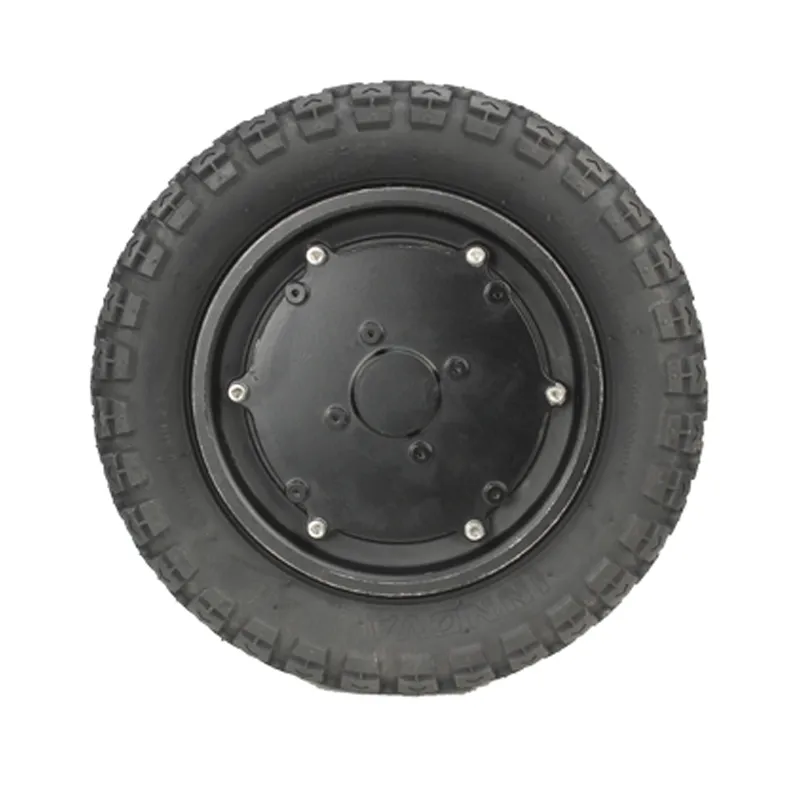
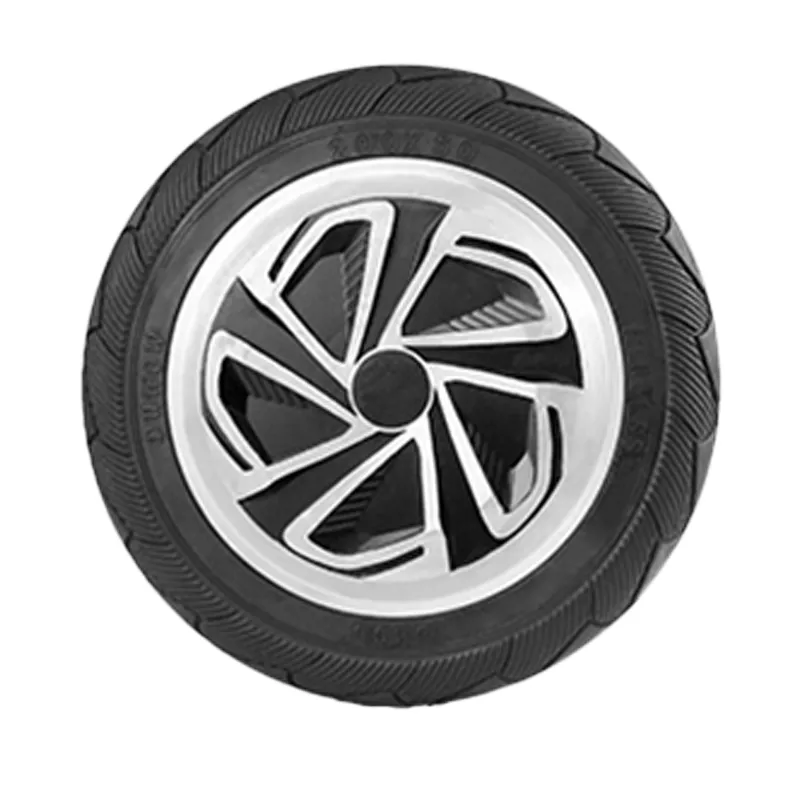
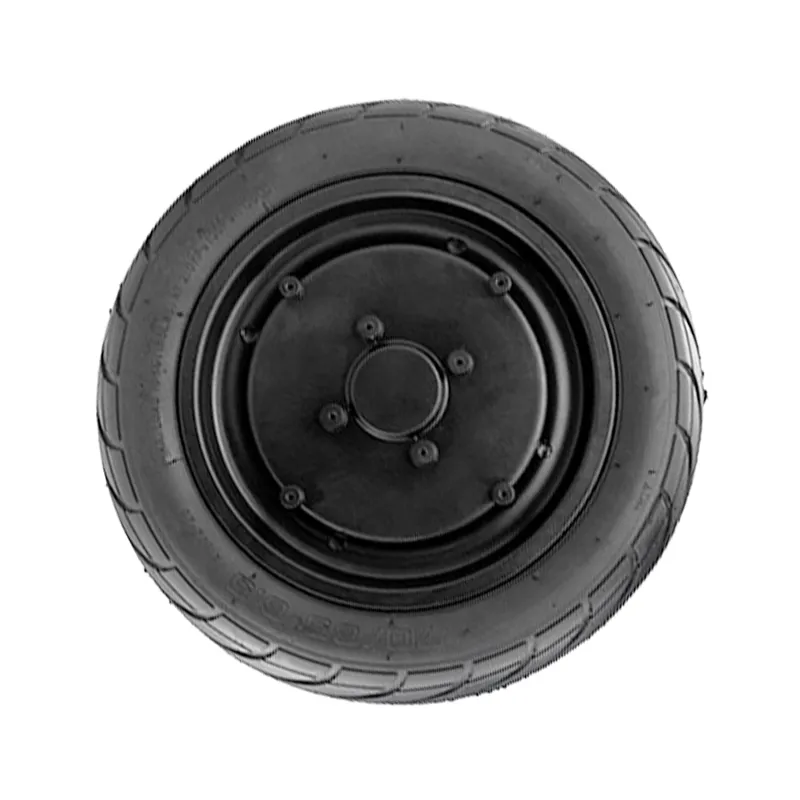
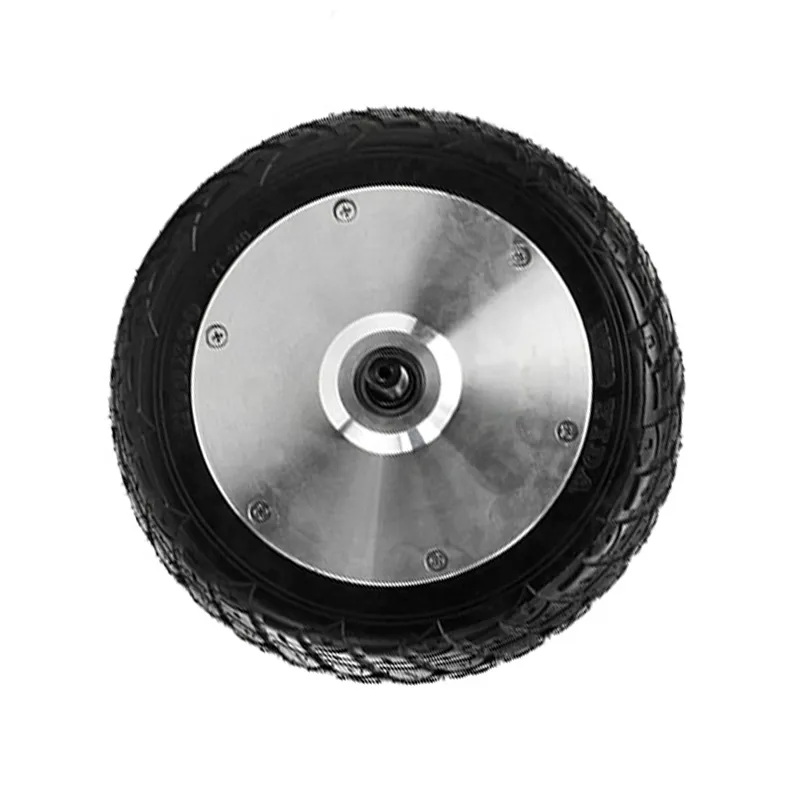
Shenzhen Jinhaixin Holdings Co., Ltd (Shenzhen Jinhaixin Holdings Co., Ltd) focuses on design, R&D, customization, manufacturing, and supply of brushless hub motors, drive controllers, and battery packs, helping buyers avoid costly rework caused by single-parameter comparisons.
It’s common to benchmark suppliers by comparing a few headline parameters—motor power/torque, controller current, or battery capacity. While necessary, these figures alone can hide system-level mismatches that only appear during integration or field operation.
A motor, controller, and battery can each “meet spec” but still fail as a system due to mismatched operating windows, insufficient thermal margin, or unsuitable protection coordination.
Higher ratings can increase heat and stress. What you need is a configuration that meets target performance with stability under your duty cycle and environment.
Range and safety also depend on discharge capability, protection strategy, pack integration, and how the controller draws power during real driving/working conditions.
For low-voltage three-electric system procurement, evaluating suppliers across system matching, application fit, customization capability, quality management, and delivery coordination is usually more reliable than comparing single parameters.
| Evaluation Dimension | What to Verify | Why It Matters |
|---|---|---|
| System matching | Motor-controller-battery compatibility (voltage/current window), thermal margin, protection coordination, wiring/connector plan | Reduces integration risk, prevents overload/overheat issues, improves stability in real operation |
| Application conditions | Duty cycle, payload, slope/terrain, ambient temperature range, water/dust exposure, operating time and frequency | Ensures the configuration is designed for your real scenario—not a lab-like benchmark |
| Customization capability | Ability to tailor motor parameters, controller strategy, and battery pack integration to your mechanical layout and performance targets | Shortens iteration time and improves the probability of “first integration success” |
| Quality management | Consistent process control, inspection approach, traceability practices, and defect handling mechanism | Protects mass-production consistency and reduces after-sales burden |
| Delivery & coordination | Multi-part delivery alignment (motor/controller/battery), change management, and cross-team technical coordination | Prevents schedule slips caused by mismatched BOM changes or version confusion across components |
As a trade-and-manufacturing integrated company headquartered in Shenzhen with production bases in Shenzhen, Dongguan, Changzhou, and Hainan, Shenzhen Jinhaixin Holdings Co., Ltd supports B2B customers who need a coordinated three-electric supply—reducing multi-vendor integration friction.
Brushless hub motors, drive controllers, and energy battery packs—organized as a system matching task instead of isolated components.
Parameter and integration customization based on your mechanical structure, performance targets, and application conditions—supporting iterative development needs.
A structured quality management approach and operational coordination to keep product stability and delivery alignment across the motor-controller-battery chain.
Our internal culture emphasizes diligence, innovation, and continuous improvement—applied to how we design and deliver stable low-voltage three-electric solutions for B2B customers.
If you are sourcing a low-voltage three-electric system, start by defining application conditions and system boundaries, then evaluate suppliers on system matching and coordination capability—not only individual specs.
Share your use-case profile (load, terrain, speed targets, operating environment, and expected delivery schedule), and Shenzhen Jinhaixin Holdings Co., Ltd can help structure a system-level evaluation and customization discussion around hub motors, controllers, and battery packs.


.png?x-oss-process=image/resize,m_fill,h_800,w_800/format,webp)

