Understanding the Low-Voltage Three-Electric System: How Motor, Controller, and Battery Work Together
Shenzhen Jinhaixin Holdings Co., Ltd explains what a low-voltage three-electric system is and how a brushless hub motor, drive controller, and energy battery pack work together—covering roles, coordination logic, and typical B2B application scenarios for selection and technical alignment.

A low-voltage three-electric system refers to the integrated drivetrain-and-energy set made up of a motor, a drive controller, and an energy battery pack. For B2B buyers and engineers, understanding how these three blocks coordinate is the fastest way to align performance targets, interfaces, and safety requirements—especially in compact EV and recreational mobility applications.
As a low-voltage three-electric system provider, Shenzhen Jinhaixin Holdings Co., Ltd (brand: WINAMICS) designs and manufactures brushless hub motors, controllers, and battery packs, with optional customization for different vehicle platforms and operating conditions.
Three blocks, one system
- Battery pack: energy source & voltage platform
- Controller: power conversion, commutation, protection, control logic
- Brushless hub motor: torque/output at the wheel
1) What each component does (functional roles)
Brushless hub motor
Converts electrical power into mechanical output directly at the wheel. Key value points for B2B selection often include stability of operation, mechanical integration, and installation convenience.
- Output: torque/speed characteristics determined by motor design + control strategy
- Integration: wheel-side packaging reduces drivetrain complexity for compact platforms
- Interfaces: axle/shaft structure affects mounting and structural stability
Drive controller
Acts as the “brain + power stage”: it converts battery power into controlled phase current for the motor, executes commutation, and implements protections.
- Power conversion & motor commutation for brushless operation
- Control inputs: throttle/command signals and speed/torque control
- Protection logic: fault handling to support system reliability
Energy battery pack
Supplies energy and defines the system’s low-voltage platform. Pack capability, stability, and matching with controller limits are essential for consistent performance.
- Defines nominal voltage window for the controller and motor system
- Delivers current under load based on pack design and protection strategy
- Integration: connectors, harness routing, mounting, and serviceability
2) How they work together (coordination logic)
-
Battery pack provides DC energy within a defined voltage range.
-
Controller converts DC to controlled phase currents for the brushless motor, based on command inputs and feedback.
-
Hub motor outputs torque at the wheel, turning electrical energy into motion.
-
Protection and limits close the loop: controller and battery-side protections manage abnormal conditions, helping maintain stability and reducing downtime risk in practical operation.
Engineering note: In a low-voltage three-electric system, matching is as important as individual component quality. Voltage platform, current capability, mechanical interfaces, and installation constraints should be aligned early to avoid rework during integration.
3) Typical B2B application scenarios
Compact EV platforms
Wheel-integrated hub motors reduce drivetrain complexity. Selection typically focuses on integration space, mounting form, stability, and controller/battery compatibility.
Recreational mobility
Applications such as small karting or leisure equipment often prioritize smooth operation, robust mechanical structure, and fast assembly/maintenance.
OEM/ODM integration projects
Engineering teams benefit from clear system boundaries: what the motor needs, what the controller enforces, and what the battery can supply—supporting faster technical alignment and procurement.
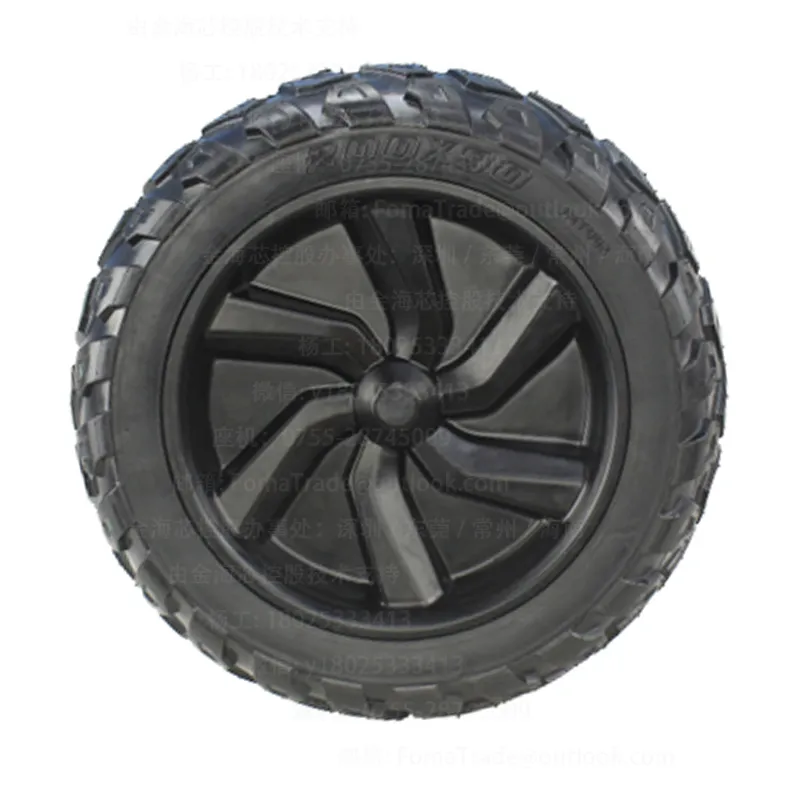
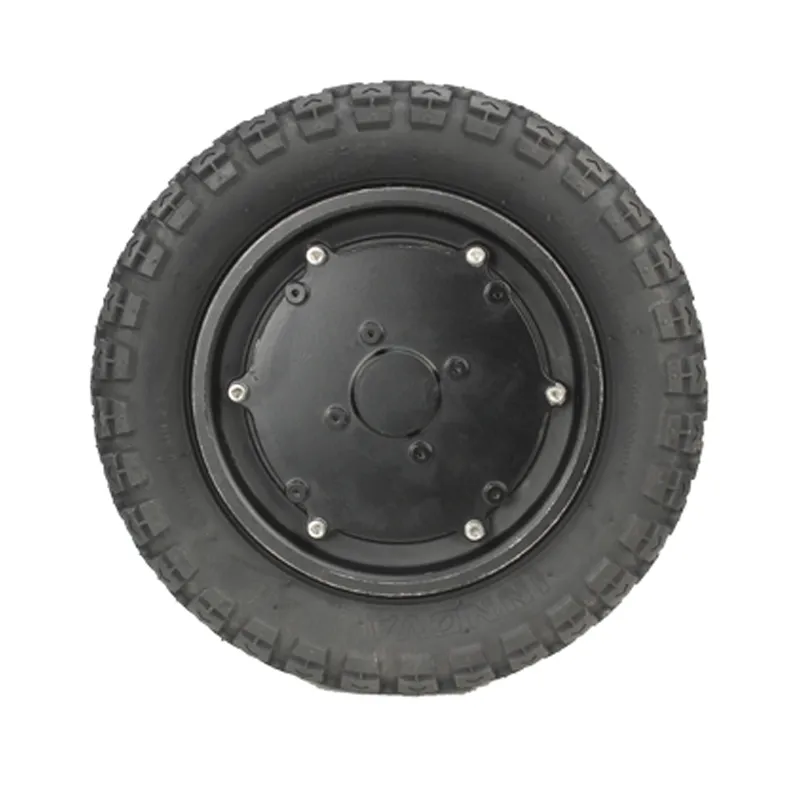
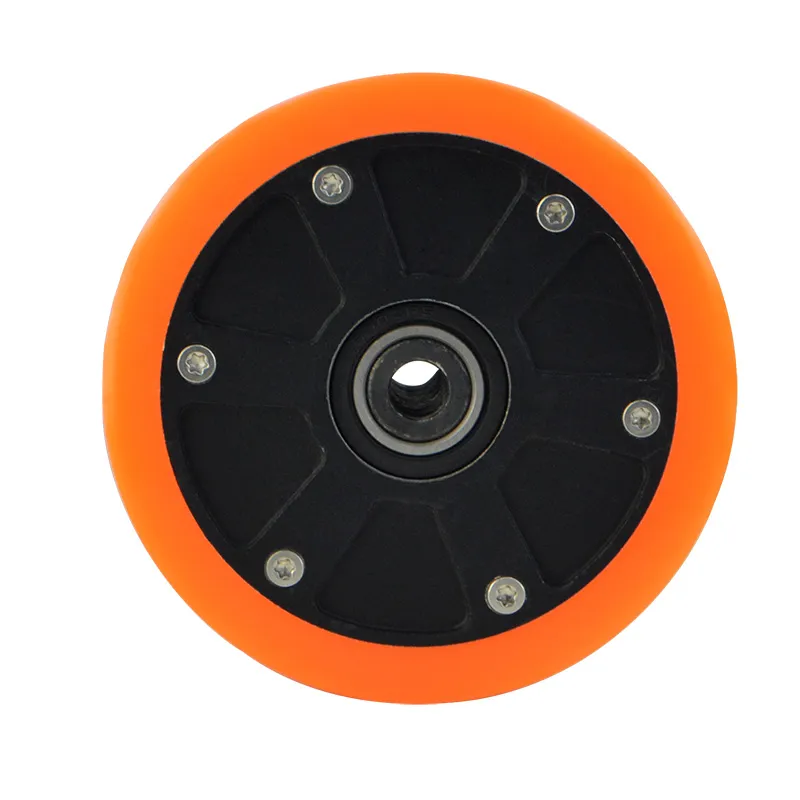
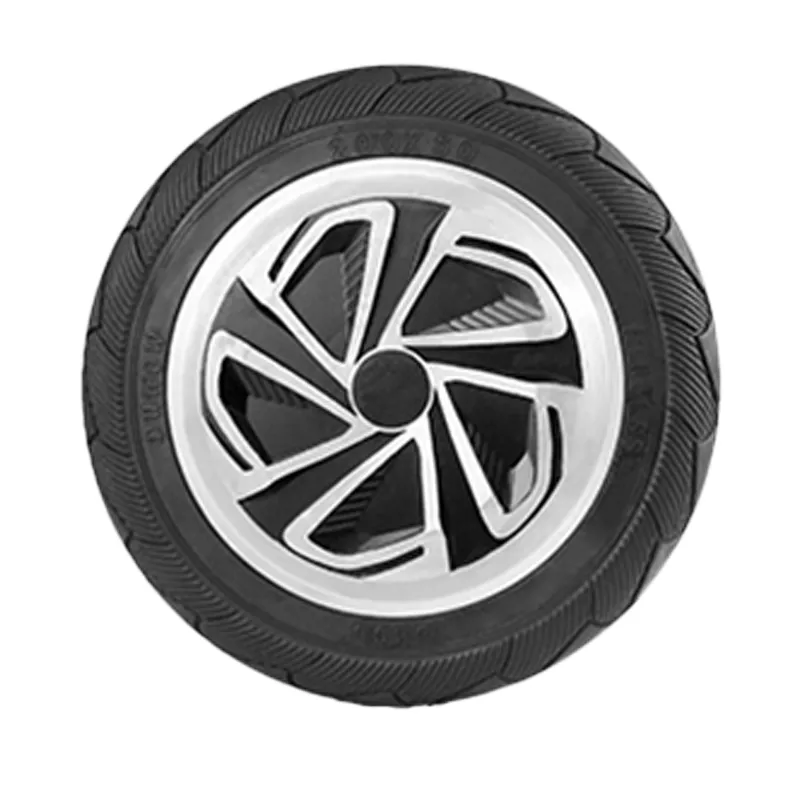
4) Product example: WINAMICS 8-inch unilateral press-shaft hub motor (conventional model)
Reference model shown for compact mobility / small karting platforms.
This WINAMICS hub motor is designed for low-voltage three-electric system projects requiring stable wheel-side output and efficient mechanical integration. With a 200 mm diameter and 84 mm tire width, it targets compact applications such as small go-karts and leisure equipment.
High-stability hub motor
Compact equipment fit
Unilateral press-shaft
| Parameter |
Specification / Notes |
| Product name |
8-inch Ø200 mm, tire width 84, unilateral press-shaft hub motor (conventional model) |
| Structure |
Unilateral press-shaft design to enhance mechanical stability and support efficient power transmission |
| Wheel size / fit |
Ø200 mm wheel diameter, 84 mm tire width; designed for matching without secondary machining in typical setups |
| Quality & support |
Manufactured with quality management procedures and supported with after-sales service for B2B integration |
Key advantages (from the product design intent)
- Unilateral press-shaft structure helps strengthen stability and supports efficient torque transmission.
- Dedicated 200 mm × 84 mm fit designed to reduce the need for secondary machining in common installations.
- Convenient installation to save assembly time during OEM integration.
- Reliable materials and manufacturing controls aligned with quality management requirements.
- After-sales support to assist product teams through integration and lifecycle service.
5) What to prepare for technical alignment (B2B checklist)
System inputs (you define)
- Vehicle/platform type and target use scenario (e.g., compact karting, leisure equipment)
- Mechanical constraints: wheel size, tire width, axle/shaft mounting, installation space
- Performance goals: speed range, gradeability expectations, load profile
- Operating environment: temperature, dust/water exposure, duty cycle
Three-electric matching (we validate together)
- Voltage platform compatibility between battery pack and controller
- Current capability and protection coordination (controller limits + pack capability)
- Motor-controller electrical interfaces (wiring, connectors, feedback signals if applicable)
- Integration readiness: installation process, serviceability, and after-sales support expectations
Note: Final configuration depends on your platform requirements and integration constraints. Engineering alignment helps ensure the motor, controller, and battery pack operate as a coordinated low-voltage three-electric system.
Work with Shenzhen Jinhaixin (WINAMICS) for three-electric integration
Shenzhen Jinhaixin Holdings Co., Ltd operates as an integrated industrial-and-trade manufacturer with production bases in Shenzhen, Dongguan, Changzhou, and Hainan, focusing on low-voltage three-electric system design, R&D, customization, production, and sales.
How we support B2B projects
- Platform-oriented selection guidance for motor, controller, and battery pack matching
- Customization options based on mechanical fit and application requirements
- Quality management-driven manufacturing for stable, reliable supply
- After-sales support aligned to OEM integration cycles
When to contact us
- You are defining a low-voltage three-electric architecture for a compact EV platform
- You need an 8-inch hub motor option with unilateral press-shaft structure and quick installation
- You want to reduce integration risk by aligning interfaces early (mechanical + electrical)
Share your platform basics (wheel size, load, target speed, duty cycle), and we can support a clearer technical discussion for motor-controller-battery coordination.