In low-voltage mobility and recreational equipment, performance is determined by how well the BLDC hub motor, drive controller, and energy battery pack work together as one system. Shenzhen Jinhaixin Holdings Co., Ltd (brand: WINAMICS) supports B2B buyers and engineering teams with practical selection logic and customization-ready manufacturing—so your powertrain is stable, efficient, and suitable for the real duty cycle.
This page focuses on: parameter checking, system stability, efficiency, and range trade-offs—plus a clear framework for B2B supplier evaluation and technical review.

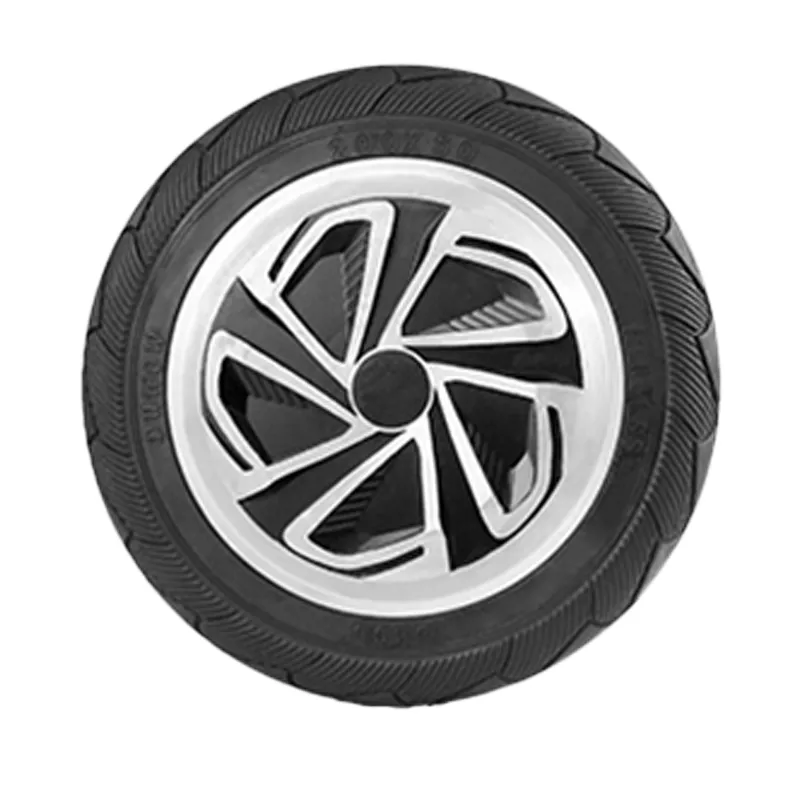
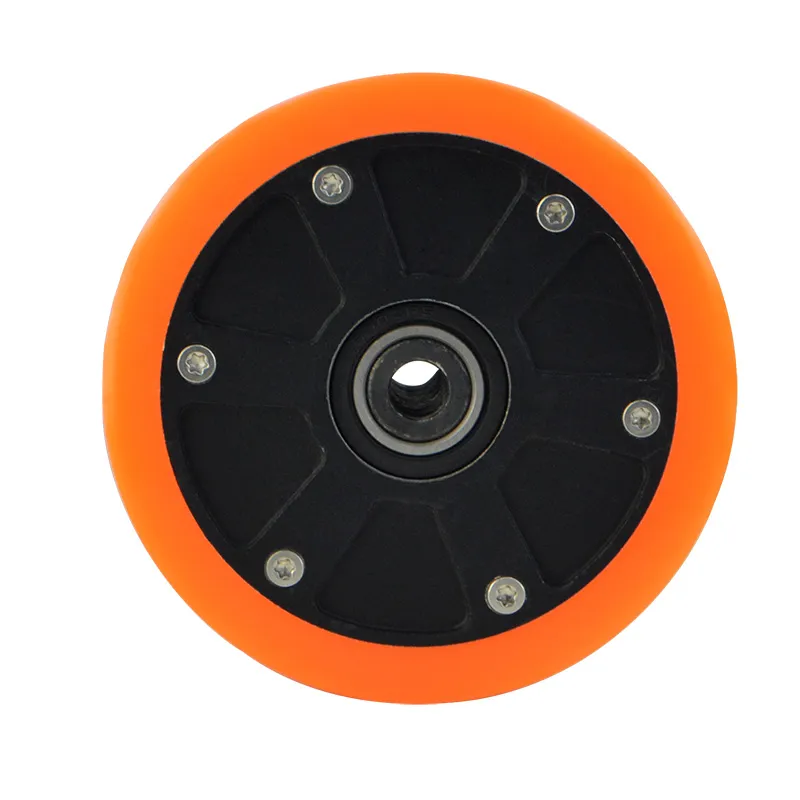
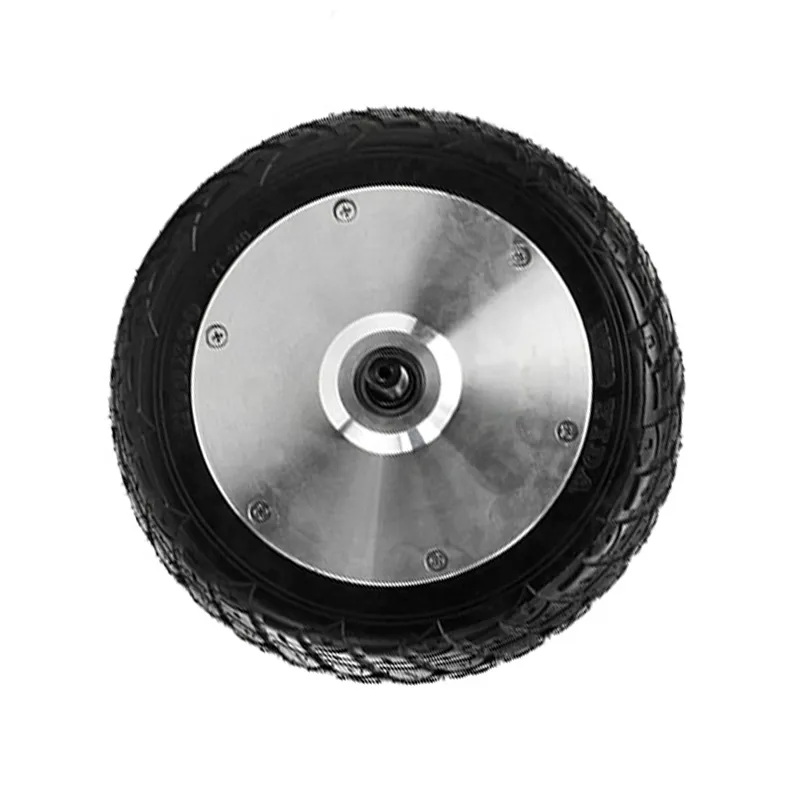
Product: 8-inch (Ø200 mm) hub motor, 84 mm tire width, unilateral axle-pressed (conventional model)
Series: Electric go-kart motor
Positioning: Designed for small go-karts, leisure devices, and similar compact applications where installation efficiency and stability matter.
Keywords aligned to sourcing intent: unilateral axle-pressed 8-inch hub motor, small equipment fit, high stability hub motor.
Matching begins with a clear, measurable requirement. For B2B procurement and engineering review, define the operating envelope first—then select motor, controller, and battery as a closed loop.
Practical note: the best “spec” is one that stays stable under real operating loads—not only in no-load conditions.
A BLDC hub motor is not only a power source—it is also a structural and thermal component of the vehicle/equipment. Selection should align with both performance demand and assembly reality.
The WINAMICS conventional 8-inch hub motor uses a unilateral axle-pressed structure to reinforce stability and support efficient power transmission—especially suitable for compact go-karts and leisure equipment where smooth operation and simplified installation are valued.
The controller translates battery energy into controlled motor output. In a low-voltage three-electric system, stable performance depends on the controller’s limits and protection logic aligning with both the motor’s needs and the battery’s discharge capability.
| What to check | Why it matters in matching | Common sourcing evidence (B2B) |
|---|---|---|
| Controller rated voltage range | Must match the battery pack nominal/max voltage and the motor’s intended low-voltage platform. | Voltage spec sheet; protection thresholds; wiring/connector recommendations. |
| Current limit (continuous / peak) | Directly influences peak torque and acceleration; must be within battery discharge and thermal limits. | Current limit settings; thermal derating notes; test/inspection records if available. |
| Control efficiency & smoothness | Affects drivability, energy usage, and system heat—especially noticeable in small vehicles and leisure equipment. | Controller tuning options; compatibility notes for motor type and sensors (if used). |
| Protection logic | Over/under-voltage, over-current and temperature protections improve system stability and reduce failure risk. | Protection list and thresholds; fault codes; after-sales process. |
The battery pack determines range and also caps the maximum stable output. A pack that is “large enough” in capacity but insufficient in discharge capability can still cause voltage sag, heat, or controller cutoffs.
A low-voltage three-electric system should be reviewed as a complete chain: battery output → controller limits → motor load & thermal behavior. This is the most reliable way to balance efficiency, range, and durability for your application.
Shenzhen Jinhaixin Holdings Co., Ltd provides B2B-oriented support across the low-voltage three-electric system: hub motors, drive controllers, and energy battery packs, with customization and quality-managed manufacturing.
For the 8-inch unilateral axle-pressed conventional hub motor, the focus is on stability, efficient power transmission, and installation convenience for compact go-kart/leisure platforms.
When sourcing a low-voltage three-electric system, reliability comes from both engineering capability and operational execution. Use a checklist that supports RFQ comparison and technical sign-off.
Shenzhen Jinhaixin Holdings Co., Ltd is an industrial-and-trade integrated company focused on low-voltage three-electric system design, R&D, customization, manufacturing, and sales, with headquarters in Shenzhen and production bases in Shenzhen, Dongguan, Changzhou, and Hainan. This structure supports consistent quality execution and responsive B2B collaboration.
If you are evaluating a BLDC hub motor platform (including the WINAMICS 8-inch unilateral axle-pressed conventional model) and need help aligning the controller voltage/current limits and battery configuration to your application, Shenzhen Jinhaixin Holdings Co., Ltd can support parameter review and customization planning for B2B sourcing and engineering validation.
.png?x-oss-process=image/resize,h_800,m_lfit/format,webp)