Low-Voltage Three-Electric System Explained: How Hub Motor, Controller, and Battery Pack Work Together
Shenzhen Jinhaixin Holdings Co., Ltd explains the fundamentals of a low-voltage three-electric system, clarifying the roles and interaction logic among a brushless hub motor, drive controller, and energy battery pack for B2B buyers building baseline product understanding.
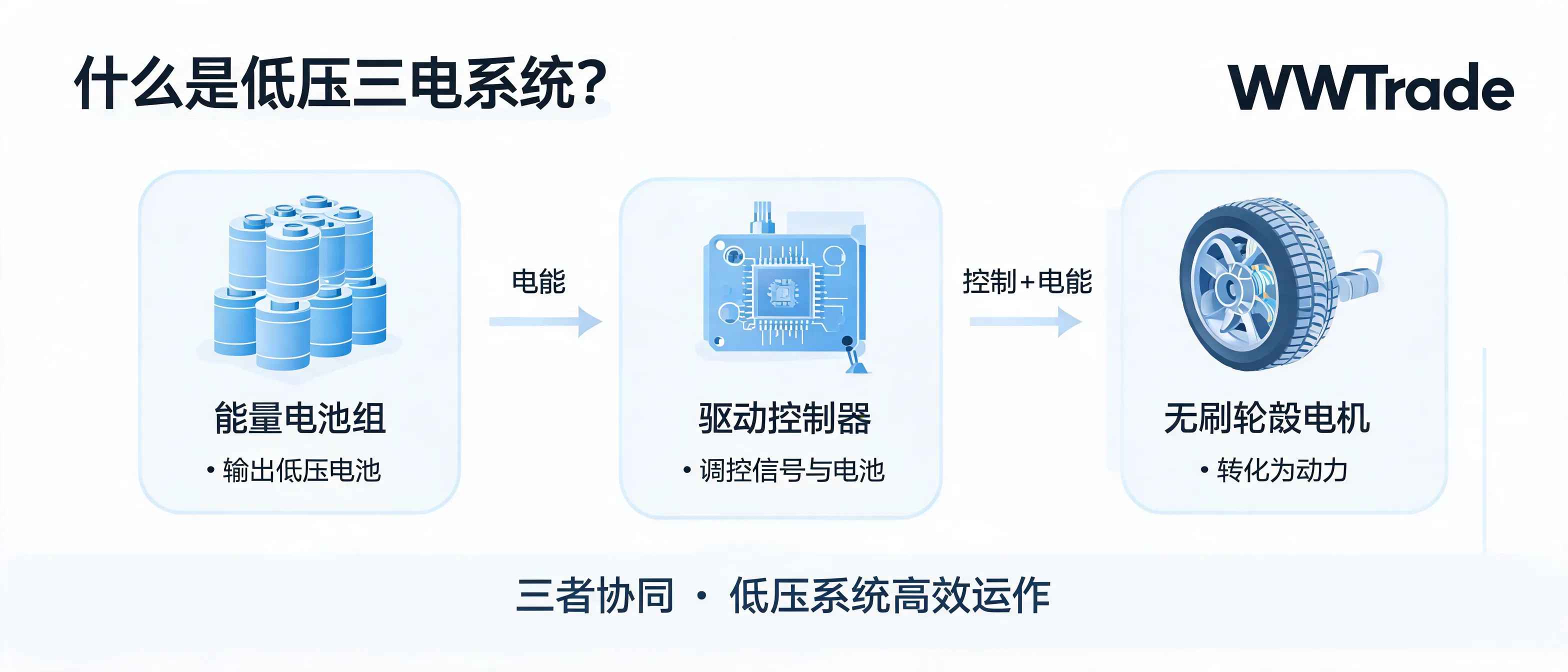
A low-voltage three-electric system is the core electromechanical architecture used in many compact mobility and light electric-drive products. It typically consists of three coordinated modules: a brushless hub motor (actuation), a drive controller (control), and an energy battery pack (power supply). Understanding the role, boundary, and interaction logic of each module helps B2B buyers evaluate system-level fit before moving into detailed selection and customization.
Brand context: Shenzhen Jinhaixin Holdings Co., Ltd focuses on low-voltage three-electric system design, R&D, customization, manufacturing, and B2B supply of brushless hub motors, drive controllers, and energy battery packs.
What “Low-Voltage Three-Electric System” Means (In Practical B2B Terms)
“Low-voltage” generally refers to system voltages commonly used in light electric drive scenarios, where the priorities are compact packaging, cost-effective integration, manageable safety design, and stable mass production. “Three-electric” highlights that overall performance is not determined by a single part, but by how power, control, and actuation are matched and coordinated.
Power supply
Energy battery pack provides DC energy and defines the available voltage/current window.
Control
Drive controller converts DC to controlled drive signals and executes protection/logic.
Actuation
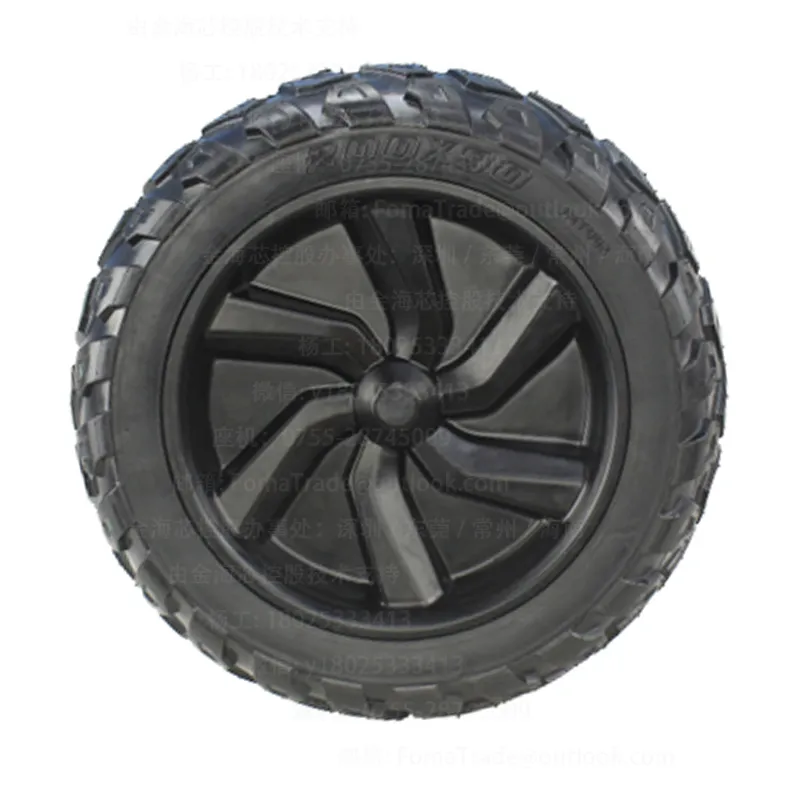
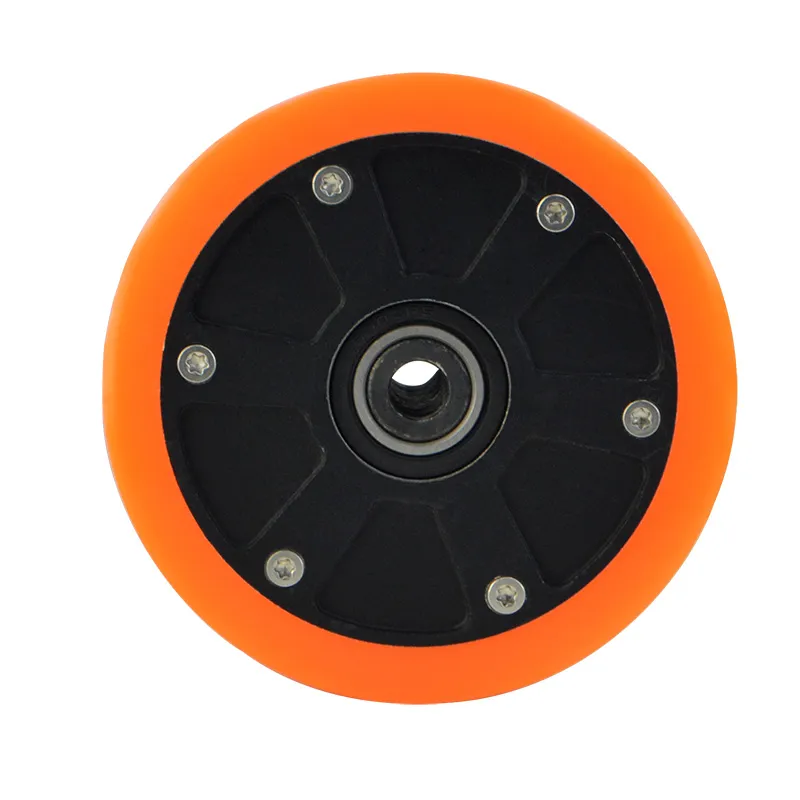
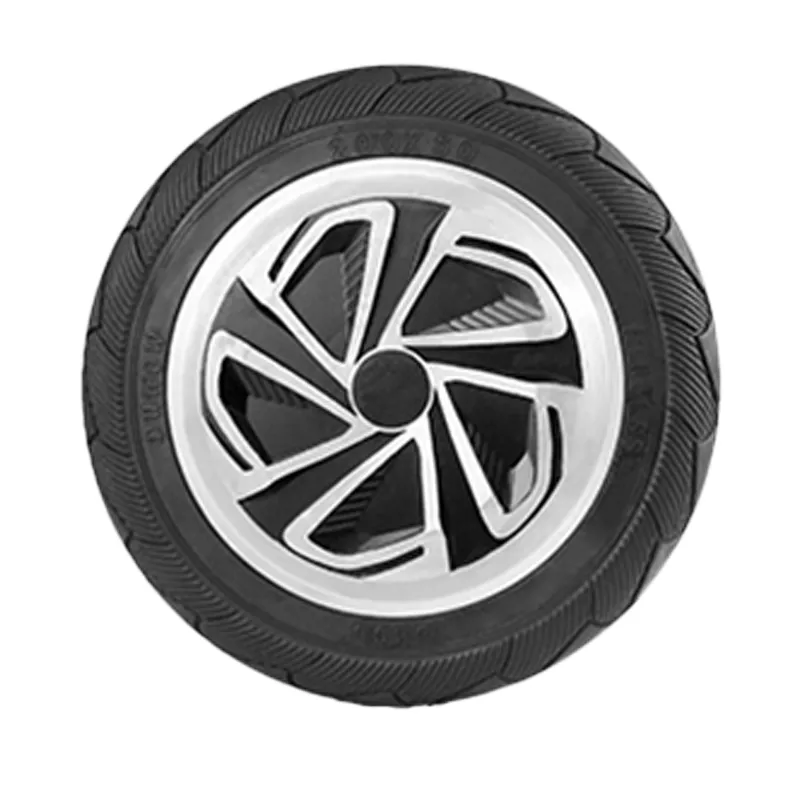
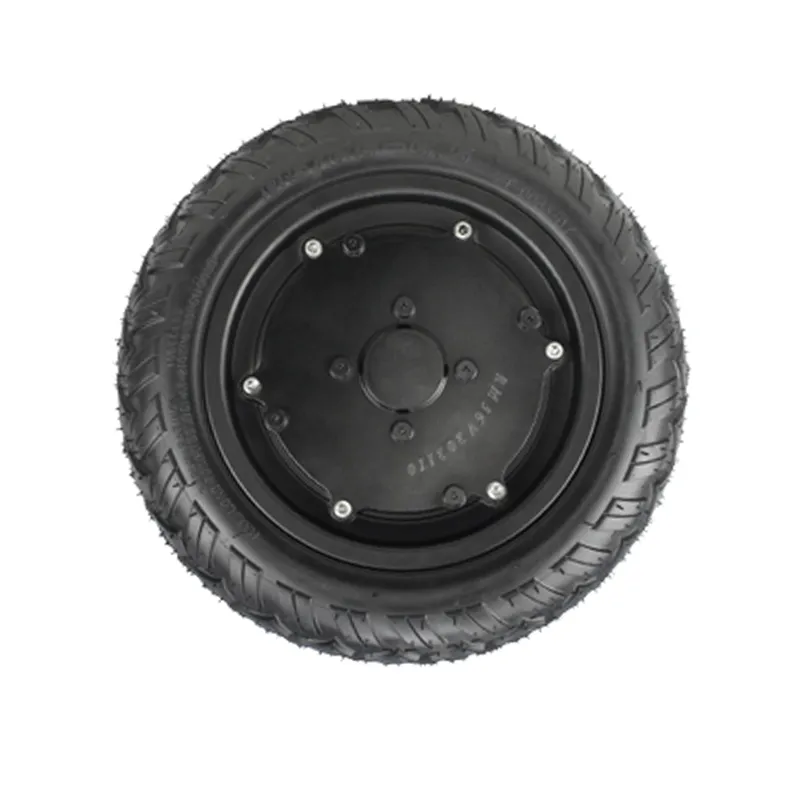
Brushless hub motor transforms electrical energy into torque/speed at the wheel.
Module Roles & Boundaries: Motor, Controller, Battery Pack
| Module |
Primary role |
Key interface/inputs |
Common buyer focus |
| Brushless hub motor |
Delivers wheel-side torque & speed |
Phase power, Hall/position feedback (as applicable), mechanical fit |
Packaging, mounting, torque/speed matching, thermal margin |
| Drive controller |
Controls motor current/commutation and system protections |
Battery DC input, throttle/command signals, sensor feedback, communication (project-dependent) |
Control strategy fit, current capability, protection logic, wiring & connector plan |
| Energy battery pack |
Provides energy, defines voltage platform and endurance |
Charge/discharge path, BMS (if used), mechanical enclosure and connectors |
Capacity vs. size/weight, discharge capability, integration safety, lifecycle considerations |
The boundary principle is simple: the battery pack supplies stable DC energy, the controller regulates how that energy becomes motor drive, and the hub motor converts it into motion. System success depends on how well these boundaries are respected and matched.
How They Work Together: Coordination Logic (Power → Control → Motion → Feedback)
For B2B baseline understanding, focus on the energy path and the signal path. Many integration issues arise when these two paths are not designed consistently across modules.
-
Battery pack provides DC power within a defined voltage range; available discharge capability influences how much current the controller can safely draw.
-
Controller interprets commands (e.g., speed/torque request) and applies a control strategy to regulate motor current.
-
Controller drives the hub motor by converting DC into controlled phase power, producing torque and speed at the wheel.
-
Feedback and protection close the loop: motor sensing (as applicable) and controller protections help maintain stable operation under load, temperature, and voltage changes.
-
Charging and system management are defined by the battery pack design and any system-level management logic used in your product architecture.
System-Level Fit Check: What to Confirm Before Selecting Specific Models
1) Voltage platform alignment
- Battery nominal/working range matches controller input requirements.
- Controller output and motor design are intended for the same voltage platform.
2) Current & thermal margin
- Peak/continuous current expectations are consistent across battery, controller, and motor.
- Cooling and mounting constraints are considered early (especially for hub motors).
3) Mechanical integration
- Hub motor sizing, axle/mounting style, and wheel-side packaging are compatible.
- Battery pack enclosure, mounting, and serviceability fit your product layout.
4) Wiring, connectors & interfaces
- Power wiring gauge/length planning supports current and installation constraints.
- Signal routing and connector selection minimize integration risk in production.
5) Protection & reliability expectations
- Controller protection logic and battery pack safety design align with application needs.
- Define acceptance criteria for stability and repeatability in your production environment.
Typical Integration Scenarios (Where Three-Electric Matching Matters Most)
A low-voltage three-electric system is often chosen when you need a balanced combination of compact size, manageable system complexity, and repeatable manufacturing. In practical projects, matching matters most when:
- Space is tight and the hub motor must fit within wheel-side constraints.
- Your product requires stable low-speed controllability and predictable torque delivery.
- Battery pack placement, service access, and protection design affect the full product layout.
- You need scalable, B2B-ready manufacturing with consistent harnessing and quality checks.
How Shenzhen Jinhaixin Supports B2B System Understanding & Customization
As an integrated manufacturer focusing on low-voltage three-electric systems, Shenzhen Jinhaixin Holdings Co., Ltd supports customers who prefer to evaluate the system first—then refine module choices and customization parameters in a controlled way. Our scope covers:
Brushless hub motors
Support for hub-motor-based drive architectures, with attention to mechanical fit, stability, and manufacturability.
Drive controllers
Controller selection and coordination logic alignment with the motor and battery platform to reduce integration uncertainty.
Energy battery packs
Battery pack planning around voltage platform, endurance goals, and product-level packaging considerations.
If your team is building baseline understanding: start by defining the target use case, expected load, available installation space, and voltage platform. These four inputs usually determine the most feasible three-electric system direction before you compare detailed specifications.
Next Step for B2B Buyers
If you are evaluating a low-voltage three-electric system for a new product or an upgrade, align the hub motor, drive controller, and energy battery pack at the system level first—then move to model selection and customization. Shenzhen Jinhaixin can support that process with integrated module supply and practical engineering coordination.
Suggested inquiry checklist
- Target application and duty cycle
- Preferred voltage platform and packaging limits
- Torque/speed expectations and wheel-side constraints
- Any harness/connector or installation preferences
What this page covered
The roles, boundaries, and coordination logic among a brushless hub motor, drive controller, and energy battery pack—so you can evaluate feasibility and integration risk early in the buying process.