In a low-voltage three-electric system, the brushless hub motor, motor controller and battery pack do not operate as isolated parts. They function as an integrated power and control architecture that determines how a vehicle or small electric machine starts, accelerates, carries load and maintains stable operation. For B2B equipment development, understanding this coordination is essential because system matching affects installation logic, electrical compatibility, operating smoothness and long-term reliability.
WINAMICS, the brand of Shenzhen Jinhaixin Holdings Co., Ltd, focuses on low-voltage three-electric system design, development, customization, production and supply. In practical equipment applications, the coordination logic between the brushless hub motor, motor controller and battery pack is what turns individual components into a usable drive solution.
The term "three-electric system" commonly refers to three coordinated core modules:
In complete machine applications, these three parts must be considered together. A suitable motor without correct controller matching, or a controller without a properly configured battery pack, may limit system performance, usability or installation efficiency.
The hub motor is the direct execution end of the drive system. In wheel-driven equipment, it affects torque delivery, structural integration and installation layout. Because it is mounted at or near the wheel position, a brushless hub motor can simplify transmission paths compared with more indirect drive structures.
The motor controller interprets command signals and adjusts power delivery to the motor. It influences acceleration feel, response smoothness and operational stability. From a system perspective, the controller acts as the connection bridge between electrical supply and motor execution.
The battery pack provides the low-voltage power foundation for the complete machine. Its configuration affects available voltage level, energy continuity and the operating basis for the controller and motor. In coordinated design, the battery pack is not only a power source, but also a key factor in determining whether the drive system can operate within the intended application range.
In a complete low-voltage three-electric system, coordination usually follows a clear logic chain:
This means system performance is shaped not only by component quality, but also by component compatibility. For manufacturers and integrators, effective coordination helps reduce mismatch risk during equipment development and supports more predictable assembly and operation.
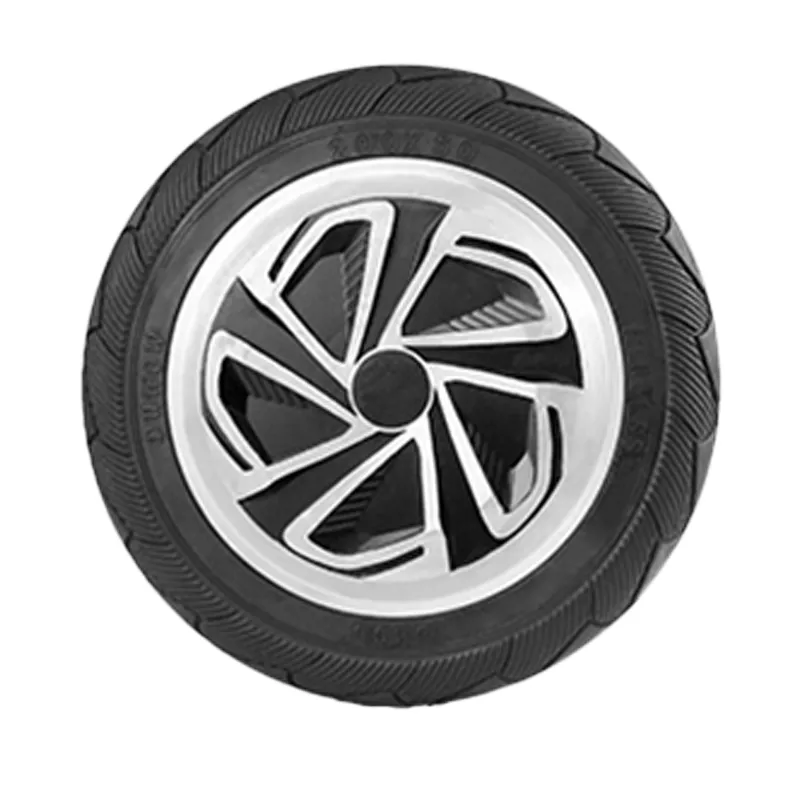
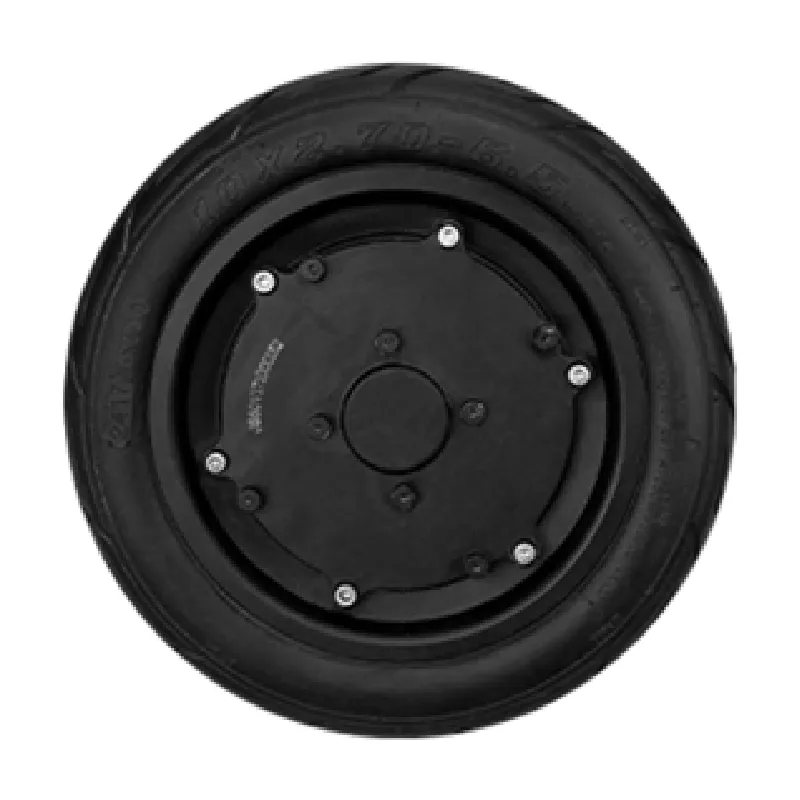
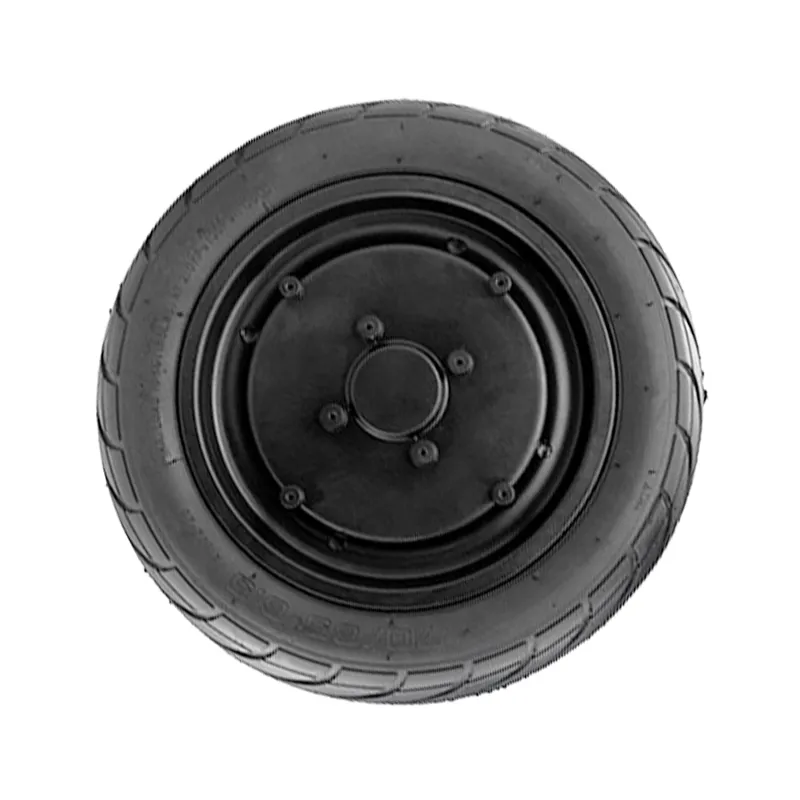
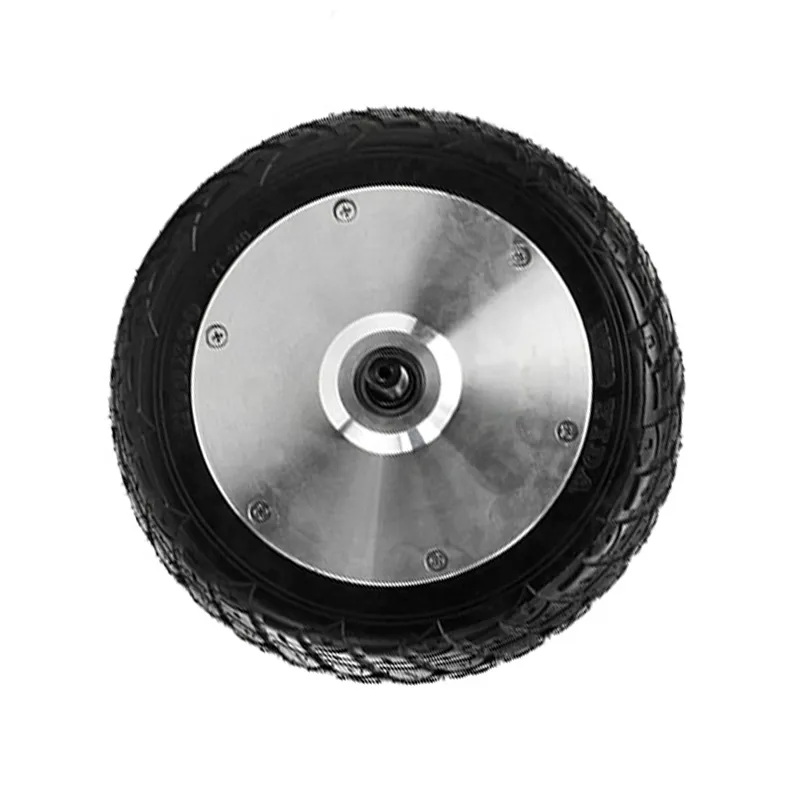
To understand system coordination more concretely, it is useful to look at a real motor configuration. Under the WINAMICS product portfolio, the 8-inch conventional unilateral final axle hub motor is designed for compact equipment applications such as small go-karts and leisure devices.
| Product type | Brushless hub motor for compact equipment applications |
| Structure | Unilateral final axle design |
| Wheel diameter | 8 inch / 200 mm |
| Tire width | 84 mm |
| Typical application direction | Small go-karts, leisure equipment and other compact machine platforms |
| Installation feature | Dedicated fitment, no secondary machining required in the stated application direction |
In system terms, this kind of motor is valuable not only because it provides wheel-end drive, but because its structural clarity supports easier integration with the controller and battery pack strategy of compact electric equipment.
The unilateral final axle structure is intended to strengthen operational stability in the described equipment category. In a low-voltage three-electric system, mechanical stability supports the controller's ability to manage output consistently and helps the full drive architecture perform more smoothly.
A hub motor with an application-specific structure can reduce unnecessary transfer complexity at the wheel end. This improves the directness of power delivery from controller command to actual movement, which is an important part of battery pack coordination and overall system response.
The stated fitment of 200 mm diameter and 84 mm tire width, with no secondary machining required for the target use direction, can help save installation time. For manufacturers, simplified assembly is directly related to production efficiency and reduces avoidable integration steps during machine build.
For OEMs, product teams and equipment integrators, three-electric system coordination is usually evaluated from multiple dimensions rather than a single component specification.
A coordinated low-voltage three-electric system helps B2B users move from component procurement to application-oriented engineering. Instead of selecting a brushless hub motor, motor controller and battery pack independently, manufacturers can assess how the three interact in actual machine use.
This coordinated approach can support:
In practical equipment development, system coordination is not an added feature. It is the basic condition that allows the motor, controller and battery pack to function as one complete and usable drive solution.
As a company focused on low-voltage three-electric systems, Shenzhen Jinhaixin Holdings Co., Ltd provides brushless hub motors, motor controllers and battery packs with customization and manufacturing support for diverse B2B equipment needs. The WINAMICS 8-inch unilateral final axle hub motor reflects this application-oriented approach: stable structure, compact equipment suitability, convenient installation and quality-managed production.
For teams developing compact electric machines, understanding the coordination of the motor, controller and battery pack helps create a more practical basis for product selection, system integration and long-term equipment planning.