Home > News > Low-Voltage Three-Electric System Components Explained (Hub Motor, Controller, Battery) | Shenzhen Jinhaixin Holdings Co., Ltd

What Makes Up a Low-Voltage Three-Electric System: Hub Motor, Controller, and Battery Pack

2026-08-24
Shenzhen Jinhaixin Holdings Co., Ltd explains what a low-voltage three-electric system includes—brushless hub motor, drive controller, and energy battery pack—and how their coordination impacts power output, control efficiency, and range for B2B applications.

A low-voltage three-electric system is the core powertrain architecture used in many compact electric mobility and light industrial applications. It typically consists of three tightly coordinated modules: a brushless hub motor, a drive controller, and an energy battery pack. For OEMs and B2B buyers, understanding what each component does—and how system-level matching affects performance—helps reduce integration risk and improves product consistency.

Brand / Provider: Shenzhen Jinhaixin Holdings Co., Ltd (WINAMICS)
Focus: Low-voltage three-electric system components (hub motor + controller + battery pack) and B2B customization for integrated powertrain solutions.

1) Brushless Hub Motor: Where Torque and Mechanical Output Happen

The brushless hub motor converts electrical energy into wheel torque directly at the hub. In low-voltage systems, motor selection influences start/stop responsiveness, torque delivery, thermal margin, and how smoothly the vehicle/device behaves under load.

  • Key role: torque generation and direct drive output at the wheel.
  • Integration impact: mechanical mounting, wheel/tire fit, wiring routing, and overall packaging.
  • System matching: motor characteristics must align with controller tuning and battery capability to avoid sluggish response or inefficiency.

2) Drive Controller: The “Brain” for Control Efficiency and Response

The drive controller regulates how power flows from the battery to the motor. It determines control behavior such as throttle mapping, ramp-up/ramp-down, and stability under dynamic load changes. For B2B applications, controller quality and calibration are major factors in repeatable performance across production batches.

What it controls

  • Power delivery smoothness
  • Control response and drivability
  • Operating efficiency under typical duty cycles

Why matching matters

  • Motor-controller pairing affects torque feel
  • Calibration impacts controllability on starts/turns
  • Stable operation requires consistent power input

3) Energy Battery Pack: The Foundation for Range and Power Availability

The energy battery pack provides the low-voltage electrical supply for the entire system. Its capability influences achievable run-time (range), voltage stability under load, and how consistently the controller can deliver power to the motor.

  • Key role: energy storage and power output support for the drive cycle.
  • System matching: the battery must support the controller’s demand and the motor’s load profile to maintain stable performance.
  • B2B consideration: pack design and quality management influence reliability and consistency.

How System-Level Matching Impacts Power, Control, Efficiency, and Range

In practice, performance is not determined by a single component. A low-voltage three-electric system works best when the hub motor, controller, and battery pack are selected and tuned as a set. This helps improve:

System outcome What drives it (component interplay)
Torque / power delivery Motor capability + controller control strategy + battery support under load
Control response Controller calibration aligned to motor behavior and application duty cycle
Efficiency Reduced mismatch losses through appropriate component pairing and stable operating conditions
Range / run-time Battery energy + system efficiency + load profile; improved when motor and controller operate in suitable conditions

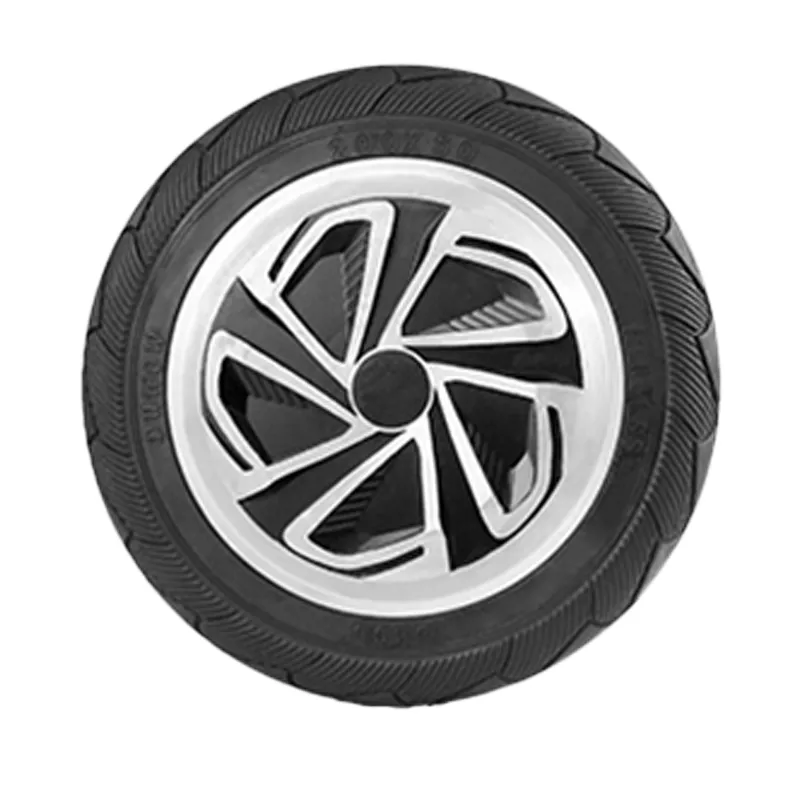
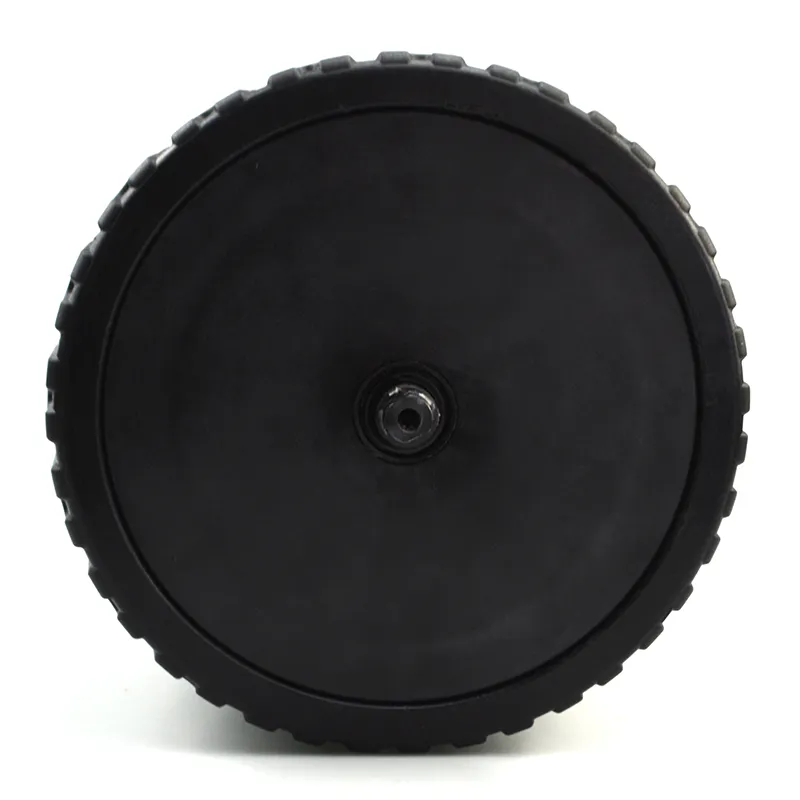
Related Product Example: WINAMICS 8-inch Unilateral Press-Shaft Brushless Hub Motor

WINAMICS 8-inch unilateral press-shaft brushless hub motor Ø200 mm tire width 84 mm for compact electric karting and leisure equipment

As a practical reference for compact applications, Shenzhen Jinhaixin Holdings Co., Ltd offers the WINAMICS 8-inch unilateral press-shaft hub motor (conventional model) designed for scenarios such as compact electric karting and leisure equipment. This model features a 200 mm motor diameter and 84 mm tire width, focusing on stable power transmission and convenient installation.

Key attributes (from product specification)

  • Structure: unilateral press-shaft design to strengthen operational stability
  • Fit: Ø200 mm diameter × 84 mm tire width, intended for dedicated adaptation without secondary machining
  • Installation: designed for easier mounting to help save assembly time
  • Materials & quality: built with selected materials and aligned with the company’s quality management approach
  • Support: after-sales support provided for B2B programs

Selection note: For best results in a low-voltage three-electric system, this hub motor should be matched with an appropriate drive controller and energy battery pack based on your load profile, installation space, and intended duty cycle.

Why Work with Shenzhen Jinhaixin (WINAMICS) for B2B Programs

Shenzhen Jinhaixin Holdings Co., Ltd is an integrated manufacturer and trading enterprise focused on low-voltage three-electric system design, R&D, customization, production, and sales. With headquarters in Shenzhen and manufacturing bases in Shenzhen, Dongguan, Changzhou, and Hainan, the company supports OEM projects that require stable supply and engineering coordination across hub motors, controllers, and battery packs.

  • Product scope: brushless hub motors, drive controllers, energy battery packs
  • Service scope: component selection assistance and customization aligned with application needs
  • Quality approach: emphasis on reliable products supported by quality management and operational efficiency

Typical information to prepare for evaluation

Application scenario
Karting / leisure equipment / compact device type, duty cycle description

Mechanical constraints
Wheel/tire size, mounting method, space and harness routing

System expectations
Target feel (response), efficiency priorities, run-time targets

Name *
Email *
Message*
Recommended Products