Low-Voltage Electric Powertrain Selection Guide: Evaluate Hub Motor, Controller, and Battery Pack as One System
Shenzhen Jinhaixin Holdings Co., Ltd explains how B2B buyers can select a low-voltage electric powertrain by evaluating brushless hub motors, drive controllers, and energy battery packs together—covering key parameters, matching logic, performance metrics, and customization considerations for procurement decisions.

Selecting a low-voltage electric powertrain is not a “component-by-component” decision. For B2B buyers, real-world reliability and performance depend on whether the brushless hub motor, drive controller, and energy battery pack are evaluated and matched as one integrated system.
This guide from Shenzhen Jinhaixin Holdings Co., Ltd outlines practical parameters, matching logic, performance metrics, and customization checkpoints that support clearer procurement decisions for low-voltage three-electric (motor–controller–battery) systems.
What you will be able to evaluate on this page
- Key selection parameters for hub motors, controllers, and battery packs
- System matching logic (voltage/current/thermal/communication)
- Performance indicators to compare solutions fairly
- Customization checkpoints and what to confirm before ordering
Why an integrated evaluation matters in low-voltage powertrains
In low-voltage platforms, small mismatches can create outsized issues—under-accelerating vehicles, unstable current draw, overheating, nuisance protections, or reduced battery life. A system view helps you avoid “spec-sheet success, field failure”.
- Motor ↔ Controller: electrical constants, phase current capability, and control algorithm must align
- Controller ↔ Battery: peak current, BMS limits, voltage sag, and protection thresholds must be consistent
- Battery ↔ Motor load: discharge capability and thermal design must support duty cycle and payload
Procurement reminder (system boundary)
Always confirm whether supplier specifications are stated as continuous vs peak, under what ambient temperature, and using what duty cycle. These context factors determine whether the integrated powertrain will be stable in your application.
Step-by-step selection workflow (B2B-ready)
-
Define the application envelope: payload, speed target, gradeability, duty cycle, ambient temperature range, and IP/installation constraints.
-
Choose the voltage window first: decide low-voltage platform based on safety, regulation, available battery architecture, and wiring/thermal constraints.
-
Size motor torque & power by load: select hub motor characteristics that meet starting torque and continuous thermal capability for your duty cycle.
-
Match controller current & control method: verify continuous/peak phase current, protection strategy, and control compatibility with the selected motor.
-
Validate battery discharge and BMS limits: ensure the energy battery pack (cells + BMS) can deliver required peak/continuous currents without excessive sag.
-
Close the loop on thermal & wiring: cable gauge, connectors, heat dissipation, and enclosure integration.
-
Confirm interfaces & integration: throttle/brake inputs, communication expectations, mounting, and harness definition for production.
Key parameters to evaluate—component by component (but judged as one system)
Brushless hub motor
- Rated vs peak torque: link to start/grade requirements
- Rated vs peak power: align with duty cycle and thermal headroom
- Speed constant / operating speed range: ensure target top speed without overspeed
- Efficiency characteristics: affects range and heat generation
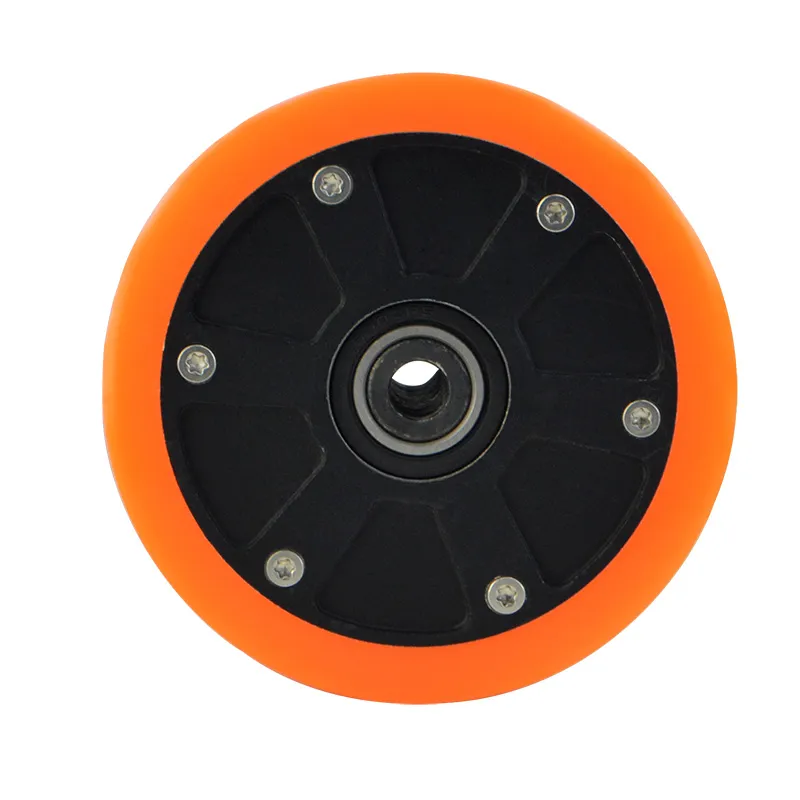
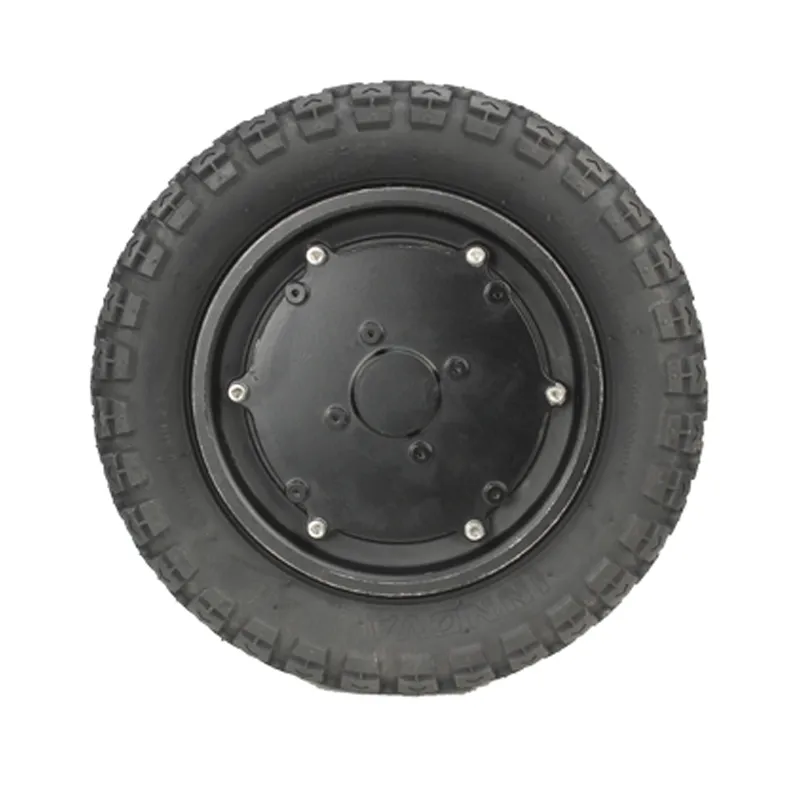
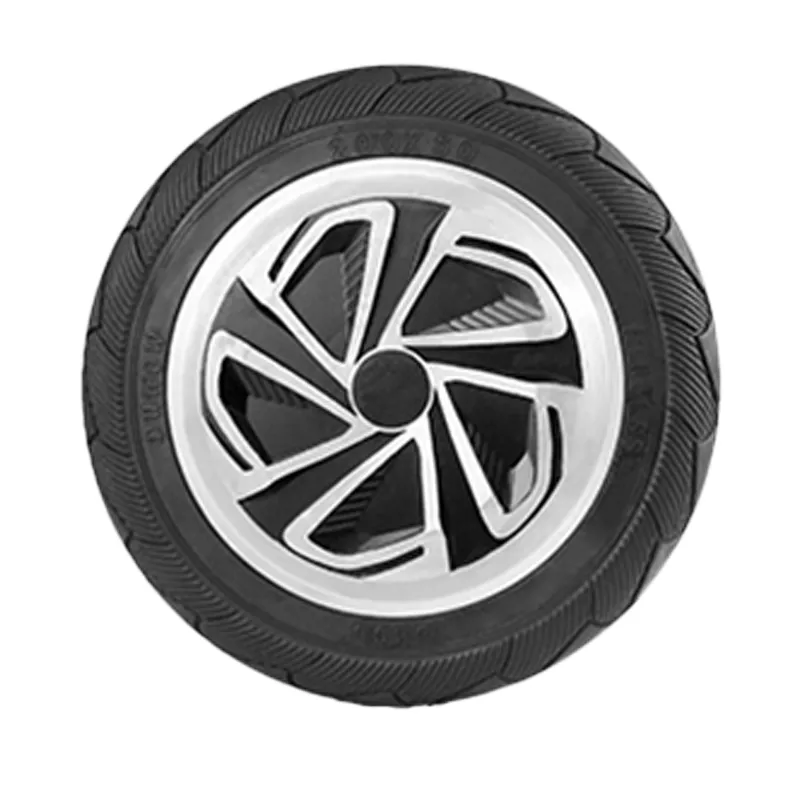
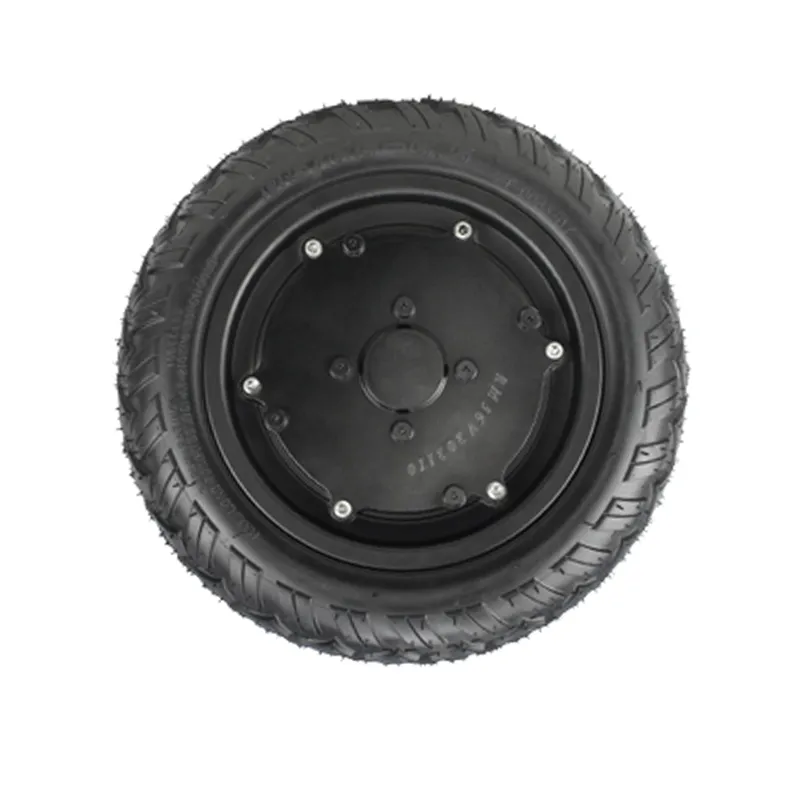
- Mechanical integration: wheel size, axle/mounting, load rating, sealing needs
Drive controller
- Voltage range: must cover battery full/empty window
- Phase current (continuous/peak): drives torque capability
- Protection logic: over-current, over-temp, under-voltage behavior
- Control compatibility: sensor type, commutation, tuning method
- Thermal & enclosure: cooling strategy, installation orientation, ingress protection
Energy battery pack (cells + BMS)
- Nominal voltage & voltage sag: impacts controller cutoffs and available power
- Capacity & energy: determines range (context: load and route profile)
- Discharge capability: continuous/peak current and thermal limit
- BMS limits & protections: cutoff thresholds must match controller expectations
- Mechanical & safety design: packaging, mounting, vibration, serviceability
System matching logic: how to avoid common mismatches
| Matching topic |
What to verify |
Typical risk if missed |
| Voltage window |
Battery full/empty voltage must remain within controller operating range; motor operating speed should align with available voltage |
Under-voltage trips, reduced top speed, unstable performance as pack discharges |
| Current capability |
Controller phase current vs battery discharge current (BMS + cells) for both continuous and peak conditions |
Acceleration limits, BMS shutdown, overheating of cables/connectors |
| Thermal headroom |
Heat dissipation paths for motor, controller, and battery pack under duty cycle and ambient temperature |
Derating, thermal protection events, shortened component life |
| Protection coordination |
Controller and BMS thresholds (over-current/under-voltage/over-temp) should be coordinated, not conflicting |
Nuisance faults, difficult field troubleshooting, inconsistent behavior across batches |
| Integration readiness |
Harness, connectors, mounting, sealing, and service access defined before pilot builds |
Late-stage rework, longer lead time, increased assembly errors |
Performance metrics that help compare solutions fairly
System-level indicators
- Usable torque across speed range: not only peak torque at standstill
- Thermal stability over duty cycle: continuous operation without repeated derating
- Energy efficiency: impacts range and heat; evaluate at representative loads
- Fault behavior: how the system responds to protection events and recovery
Manufacturing and supply indicators
- Specification clarity: consistent definitions for rated/peak and test conditions
- Quality management alignment: incoming, process, and outgoing checks for stability
- Consistency of integration parts: harness/connectors/mounting interfaces for assembly repeatability
- Customization lead-time impact: what changes affect BOM, tooling, validation, or certification scope
Customization checkpoints for low-voltage three-electric systems
As a B2B buyer, customization is most effective when you lock system constraints early. Shenzhen Jinhaixin Holdings Co., Ltd supports customized design and manufacturing across hub motors, controllers, and battery packs—typically centered on the following checkpoints:
Mechanical / packaging
- Wheel and mounting constraints for hub motors
- Controller placement, cooling path, and sealing requirements
- Battery pack dimensions, mounting, and service access
Electrical / protection coordination
- Voltage window alignment across controller and pack
- Current limits and protection threshold coordination
- Harness, connector type, and cable gauge definition
Software / tuning readiness
- Controller parameter tuning for your load profile
- Start/stop behavior and drive feel requirements
- Validation plan for pilot build and production ramp
Practical tip: when requesting a quote, provide a brief application summary (load, target speed, slope/duty cycle, ambient temperature, installation constraints). This allows faster and more accurate system matching across hub motor, controller, and battery pack.
About Shenzhen Jinhaixin Holdings Co., Ltd (B2B supply capability context)
Shenzhen Jinhaixin Holdings Co., Ltd is an integrated industry-and-trade enterprise focused on low-voltage three-electric systems, covering design, R&D, customization, manufacturing, and sales. The company is headquartered in Shenzhen, with production bases in Shenzhen, Dongguan, Changzhou, and Hainan.
Product scope includes brushless hub motors, drive controllers, and energy battery packs. With a customer-centered approach and a quality management system, Jinhaixin aims to support stable and reliable supply for B2B projects requiring coordinated motor–controller–battery selection and integration.
Typical fit (non-exhaustive)
- OEM/ODM programs needing coordinated low-voltage powertrain components
- Projects requiring customized mechanical packaging and harness definition
- Procurement teams seeking clearer parameter alignment and validation readiness
Information to prepare for a faster selection discussion
- Vehicle/application type and installation constraints (space, mounting, IP)
- Target performance (speed, payload, slope, start torque expectations)
- Operating profile (duty cycle, route, ambient temperature, ventilation)
- Electrical preferences (voltage platform, connector/harness requirements)
- Project stage (prototype, pilot, mass production) and expected timeline
Goal of this guide
To help you evaluate hub motor + controller + battery pack as a single low-voltage electric powertrain—so procurement decisions are based on system compatibility, measurable performance indicators, and clear customization checkpoints.