Low-Voltage E-Powertrain System: How Hub Motors, Controllers, and Battery Packs Work Together
Shenzhen Jinhaixin Holdings Co., Ltd explains what a low-voltage e-powertrain system is, covering how a BLDC hub motor, drive controller, and energy battery pack work together and where they are typically applied—built for product education and technical onboarding.
A low-voltage e-powertrain system is the integrated set of electric-drive modules that converts battery energy into controlled motion output for light electric vehicles and small recreational equipment.
At its core, it combines three modules that must work as one: a BLDC hub motor, a drive controller, and an energy battery pack. This page explains each module’s role and how they cooperate as a system—useful for product education and technical onboarding.
Brand context
Shenzhen Jinhaixin Holdings Co., Ltd (深圳金海芯控股有限公司) is a B2B manufacturer focused on low-voltage e-powertrain component design and production, including hub motors, controllers, and energy battery packs. The company’s hub motor offerings include WINAMICS models for electric go-kart motor series and related applications.
Core components of a low-voltage e-powertrain system
A practical way to understand a low-voltage e-powertrain system is to follow the energy and control path: the battery pack supplies DC power, the controller regulates and commutates that power based on commands and feedback, and the BLDC hub motor converts electrical energy into mechanical torque at the wheel.
1) Energy battery pack (power source)
- Provides DC energy to the powertrain under varying load conditions.
- Defines usable voltage/current window for the controller and motor selection.
- Interfaces with protection and management (e.g., safe operation boundaries) to support stable system behavior.
2) Drive controller (power regulation & motor control)
- Converts DC to controlled phase currents suitable for BLDC operation (electronic commutation).
- Executes control logic for speed/torque response based on throttle/command input and feedback.
- Coordinates system protections by reacting to abnormal operating conditions to help maintain reliability.
3) BLDC hub motor (motion output at the wheel)
- Produces wheel-side torque directly, reducing drivetrain complexity for many compact vehicles.
- System stability depends on mechanical structure (mounting, axle design) and electrical matching with the controller and battery pack.
- Key integration point for packaging, installation time, and serviceability.
How the three modules work together (system cooperation)
-
Energy delivery: the battery pack supplies DC power to the controller through the system’s main power path.
-
Regulation & commutation: the drive controller modulates the power into phase currents to run the BLDC hub motor and responds to command inputs.
-
Mechanical output: the hub motor converts the electrical input into torque at the wheel, enabling stable motion when electrical matching and mechanical mounting are well aligned.
-
Operational stability: stable performance is the result of correct component selection, proper installation, and consistent quality management across modules.
Typical applications
Low-voltage e-powertrain systems are commonly used where compact packaging, controllable motion output, and maintainable module integration are required—especially in light electric vehicles and small recreational equipment.
Light electric vehicles
- Mobility platforms requiring efficient wheel-side drive
- Applications emphasizing simplified mechanical transmission
Small recreational equipment
- Electric go-karts and similar compact platforms
- Leisure devices that benefit from easy installation and service
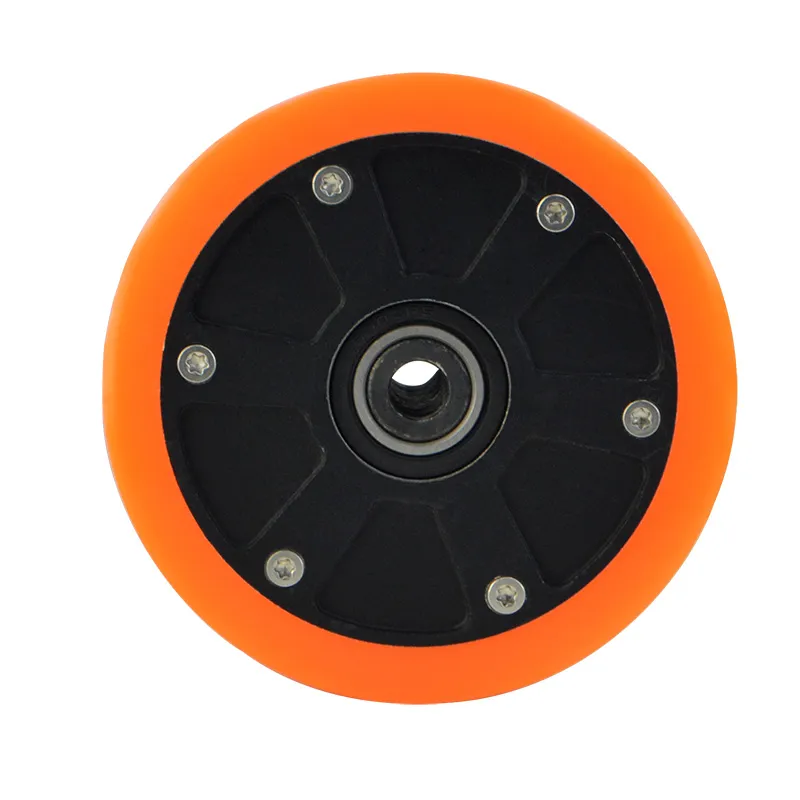
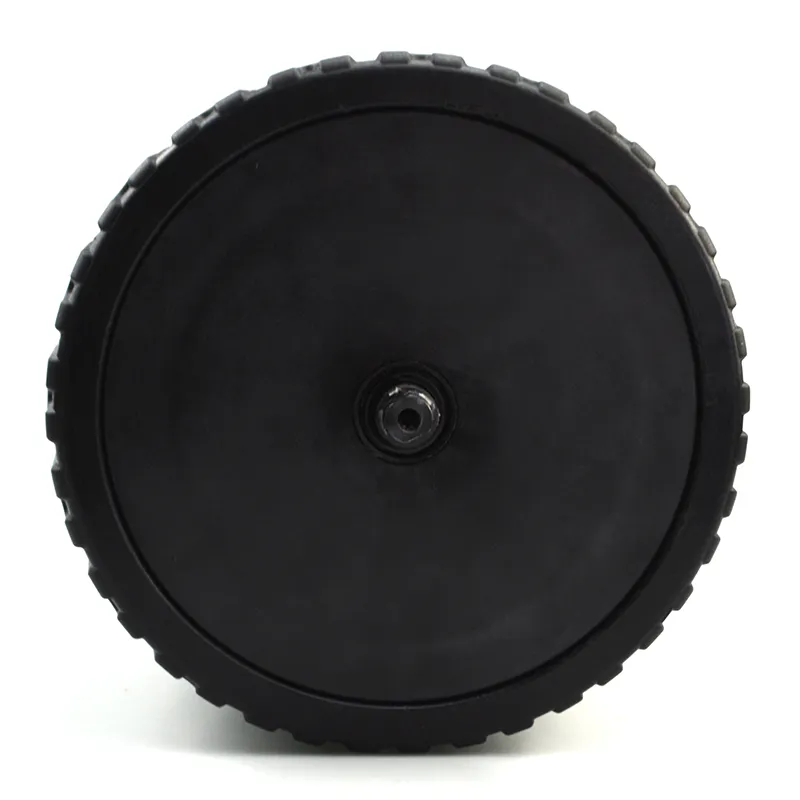
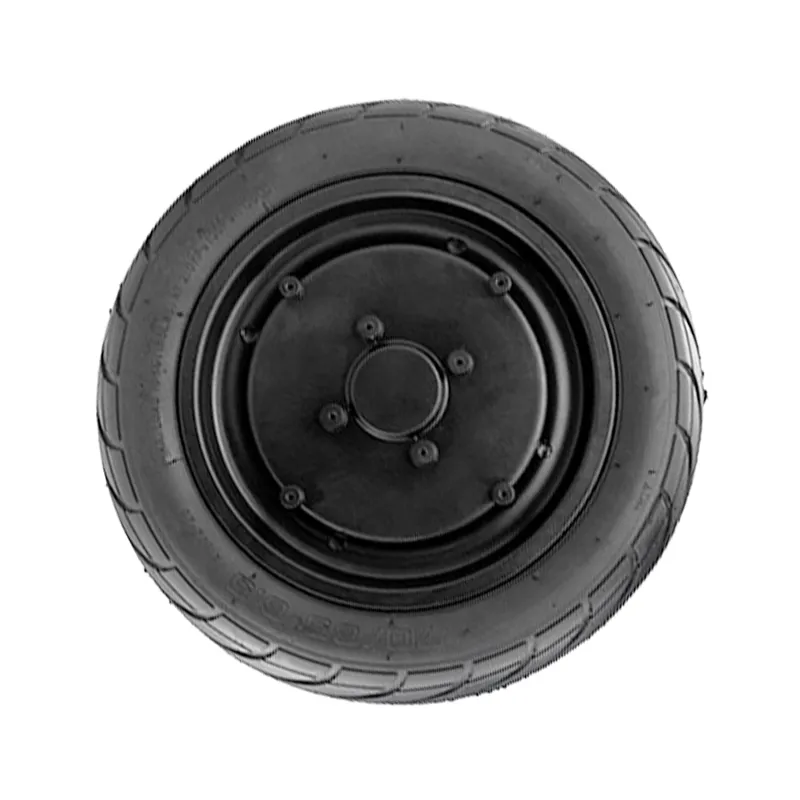
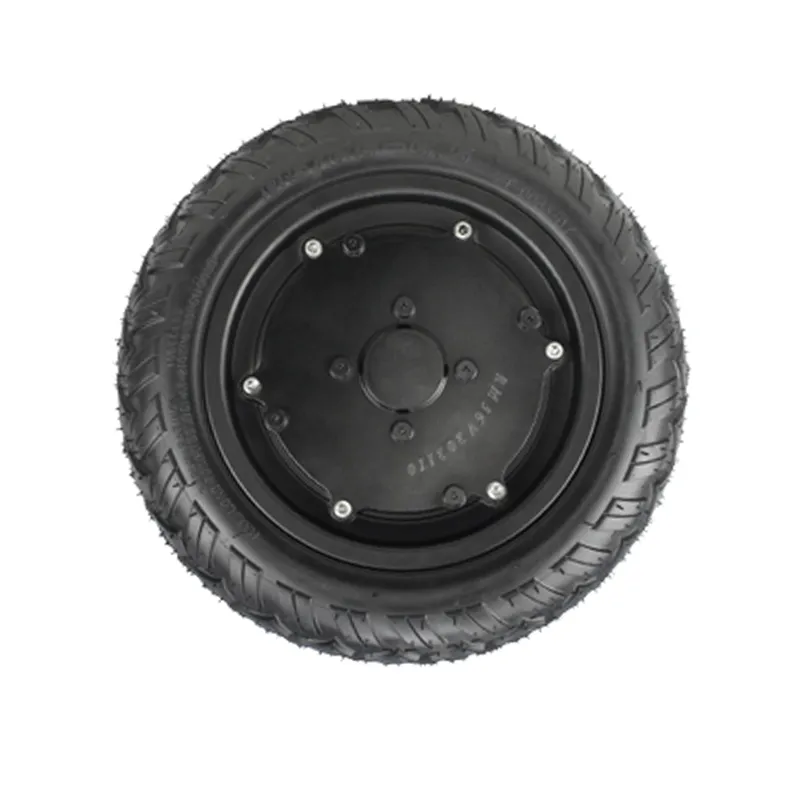
Example hub motor in the system: WINAMICS 8-inch unilateral axle-press conventional model
Category: Electric go-kart motor (hub motor module in a low-voltage e-powertrain system)
This WINAMICS hub motor is designed for integration into a low-voltage e-powertrain system where stable wheel-side output and convenient installation are valued—such as small go-karts and other recreational devices.
| Model |
8-inch unilateral axle-press conventional hub motor |
| Key dimensions |
Diameter 200 mm × Tire width 84 mm |
| Structure |
Unilateral axle-press design to enhance stability and power transmission efficiency |
| Integration |
No secondary machining required; convenient installation to help save labor time |
| Quality & support |
Made with quality materials under a quality management system; after-sales support available |
Why it matters in system design: a hub motor’s mechanical interface (mounting/axle structure) and its electrical matching with the controller and battery pack can directly affect perceived smoothness, stability, and installation efficiency in a low-voltage e-powertrain system.
Selection & integration checklist (practical onboarding)
When specifying a low-voltage e-powertrain system for a new platform, the following checkpoints help keep requirements aligned across the hub motor, controller, and battery pack:
- Mechanical fit: wheel diameter/tire width, axle/mounting method, space constraints, installation workflow.
- Electrical matching: battery output capability aligned with controller demands and motor requirements.
- Control behavior: expected response characteristics for the use case (smooth operation vs. more aggressive response), considering safety and reliability needs.
- Reliability & quality: component-level quality controls and traceable production processes for consistent supply.
- After-sales readiness: documentation, replacement strategy, and support path to reduce downtime.
Working with Shenzhen Jinhaixin (WINAMICS)
As an integrated B2B manufacturer with production bases in Shenzhen, Dongguan, Changzhou, and Hainan, Shenzhen Jinhaixin Holdings Co., Ltd supports customers developing low-voltage e-powertrain systems with hub motors, drive controllers, and energy battery packs—along with customization based on application requirements.
What you can provide
- Vehicle/equipment type and intended application scenario
- Target wheel size and mechanical interface constraints
- Expected operating profile and installation considerations
What we align on
- Hub motor structure and fit (e.g., unilateral axle-press options)
- Controller pairing and integration approach
- Battery pack module compatibility and system-level coordination
For engineering-friendly onboarding, keep the discussion anchored to the three-module system: BLDC hub motor + drive controller + energy battery pack. Clear boundaries and interfaces typically lead to faster iteration and more predictable integration.