Selecting a low-voltage e-powertrain is not a “single-part” decision. For B2B procurement and early-stage engineering validation, the most reliable approach is to evaluate the BLDC hub motor, drive controller, and energy battery pack as one system—so performance, stability, customization fit, and delivery readiness align from prototype to production.
This guide is prepared by WINAMICS (a brand of Shenzhen Jinhaixin Holdings Co., Ltd), a B2B manufacturer focused on low-voltage e-powertrain design, R&D, customization, production, and supply of hub motors, controllers, and battery packs.
A practical selection workflow starts with your application boundary, then confirms mechanical fit, and finally validates electrical compatibility and control strategy. The goal is to avoid late-stage rework caused by mismatched torque demand, controller limits, or battery capability.

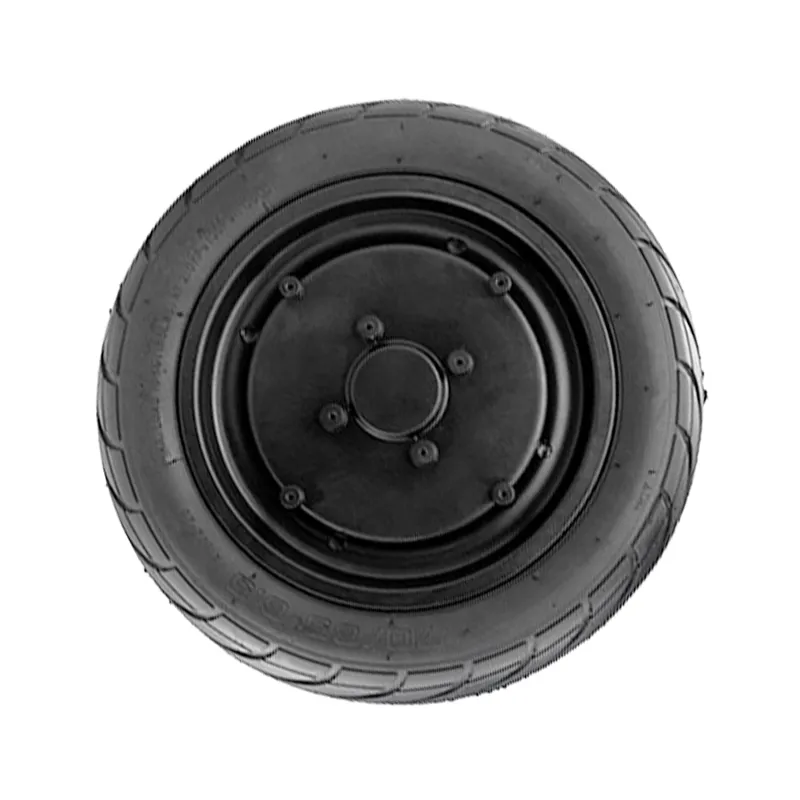
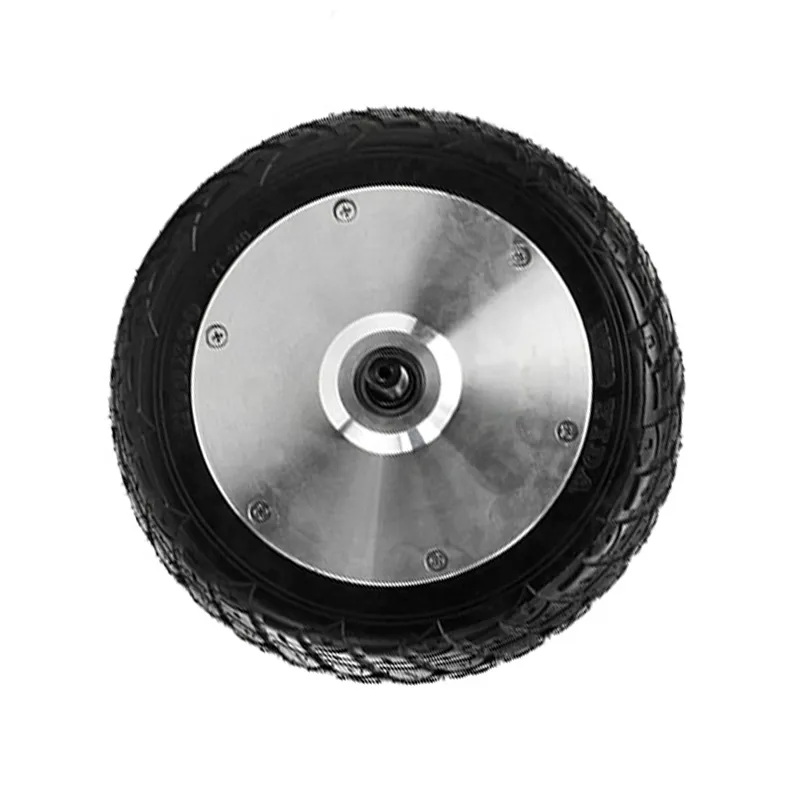
WINAMICS 8-inch unilateral-axle conventional hub motor
Designed to support stable operation and efficient power transmission, with easy installation that helps reduce assembly time by avoiding secondary machining in matching applications.
Fit reference: The WINAMICS 8-inch unilateral-axle hub motor (200 mm × 84 mm) is positioned for small electric karts and leisure devices where enhanced stability and installation convenience are key evaluation points.
The controller is the “behavior layer” of a low-voltage e-powertrain. In sourcing evaluation, align controller selection to both the hub motor characteristics and the real-world duty cycle of your device.
Procurement tip: request a controller configuration approach that supports your technical validation process—what parameters are adjustable, what information is needed from the motor, and how tuning is confirmed.
Battery selection should be driven by system demand and integration constraints—not only capacity. In a low-voltage e-powertrain, the battery pack must support the controller’s current draw and the motor’s operating profile while meeting packaging and service requirements.
| Module | What to confirm | Why it matters |
|---|---|---|
| Hub motor | Wheel size, diameter & tire width; axle structure; installation method; stability expectations | Avoids mechanical mismatch and rework; supports stable operation in real load conditions |
| Controller | Low-voltage compatibility; current capability; harness/connectors; tuning approach for smoothness and protection logic | Ensures motor behavior meets expectation; reduces risk of instability or unexpected protection events |
| Battery pack | Voltage design; discharge capability per duty cycle; packaging and service access; interface standardization | Supports required performance while keeping integration manageable for prototype and production |
| Supplier readiness | Customization fit; quality management consistency; coordinated delivery for motor/controller/battery | Improves sourcing confidence and reduces schedule risk during ramp-up |
Shenzhen Jinhaixin Holdings Co., Ltd is an integrated B2B manufacturer specializing in low-voltage e-powertrain systems, offering BLDC hub motors, drive controllers, and energy battery packs with professional customization support. With production bases across Shenzhen, Dongguan, Changzhou, and Hainan, the company emphasizes stable quality through structured management and efficient operations.
Engineering-oriented communication to align mechanical interfaces, control requirements, and integration constraints early.
Focus on stable, reliable products backed by a clear quality management approach and material selection discipline.
Support for B2B customers during validation and deployment to help reduce integration uncertainty.
For a faster selection cycle, prepare your application basics (device type, target wheel size, load and duty cycle, installation constraints). WINAMICS can then align the hub motor (including the 8-inch unilateral-axle 200 mm × 84 mm conventional model where suitable), controller approach, and battery pack direction for your early technical validation.
Typical applications: small electric karts, leisure devices, compact equipment platforms requiring stable wheel-end drive.
Key evaluation focus: stability, integration convenience, and system-level matching between motor, controller, and battery pack.