How to Select a Low-Voltage E-Powertrain: Matching Hub Motors, Controllers, and Battery Packs
Shenzhen Jinhaixin Holdings Co., Ltd provides a practical selection guide for low-voltage e-powertrains, explaining how to match brushless hub motors, drive controllers, and energy battery packs by application scenario, power demand, control requirements, and customization factors for B2B projects.
Low-voltage e-powertrain selection is not just choosing parts—it is a system-level matching exercise across a brushless hub motor, a drive controller, and an energy battery pack. This guide from Shenzhen Jinhaixin Holdings Co., Ltd provides a structured way for OEMs and integrators to define requirements, shortlist feasible configurations, and prepare for technical discussions.
Focus: application scenario → torque/speed & power → controller voltage/current & control needs → battery voltage/capacity/discharge → customization & integration trade-offs.
Best for B2B teams:
- OEM product definition & feasibility review
- System integrators preparing RFQs / requirement sheets
- Engineering teams aligning performance vs. cost vs. packaging
1) Start With the Application Scenario (What the system must do)
The application scenario determines the baseline constraints for the entire low-voltage e-powertrain. Before selecting any motor/controller/battery, clarify the operating profile and integration boundaries.
Requirement checklist (recommended for RFQs)
- Duty cycle: intermittent vs. continuous operation, peak duration, cooling assumptions
- Speed range: target top speed and typical cruising speed
- Load & grade: vehicle/load mass, slope/grade requirements, acceleration expectations
- Environment: ambient temperature, water/dust exposure, vibration/shock conditions
- Packaging: wheel size or mounting space (for hub motors), cable routing, connector preferences
- Interfaces: throttle type, brake cut-off, communication needs, diagnostics expectations
2) Translate Scenario Into Torque/Speed and Power Demand
Motor selection becomes much clearer once you define the required torque, speed, and power across operating points (start, climb, cruise). For low-voltage platforms, this step also helps prevent mismatches that lead to overheating, insufficient acceleration, or unstable controller operation.
Practical selection logic
-
Define target performance points: start torque, climbing torque (continuous or long-duration), and cruising power.
-
Identify peak vs. continuous: ensure the motor and controller can handle peaks without exceeding thermal limits under the expected duty cycle.
-
Confirm mechanical constraints: hub motor sizing, wheel diameter, and allowable mass/inertia for your platform.
Tip: In B2B projects, documenting the top 3 operating points (peak start, sustained climb, steady cruise) is often enough to align motor and controller proposals early—before deep iteration.
3) Brushless Hub Motor Selection (What to verify)
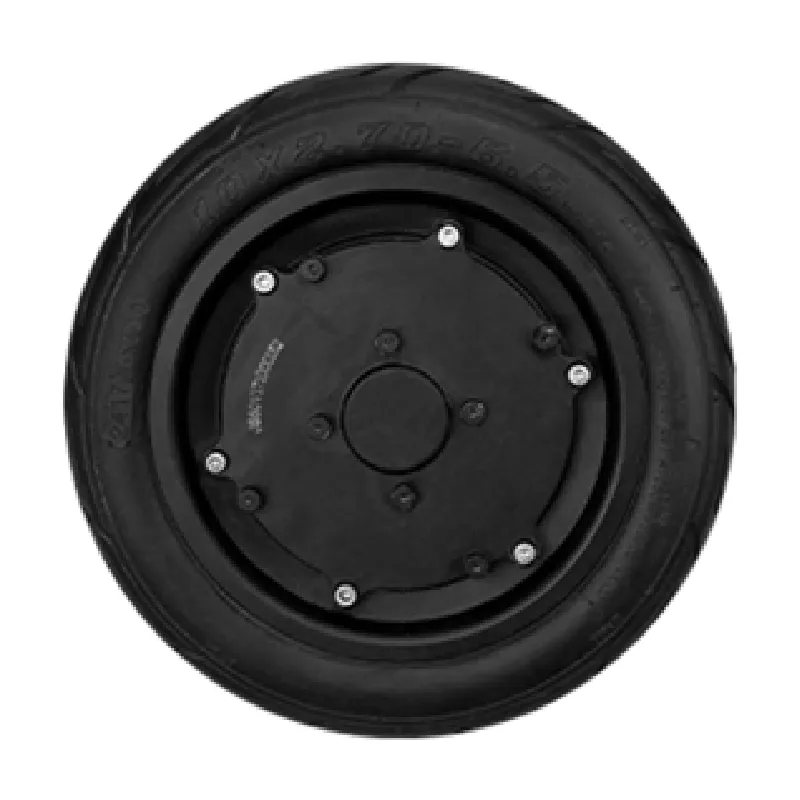
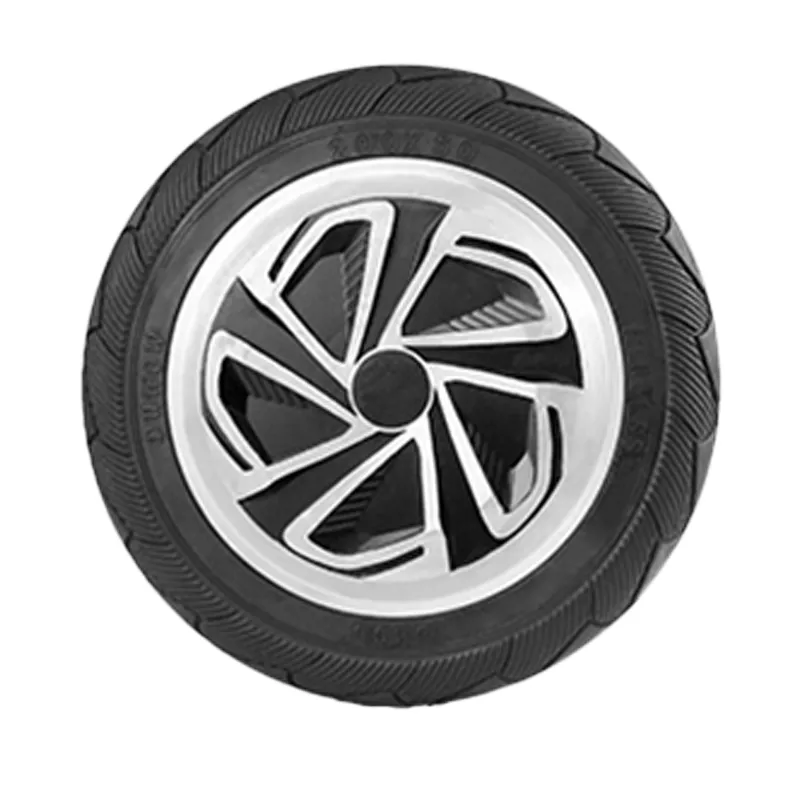
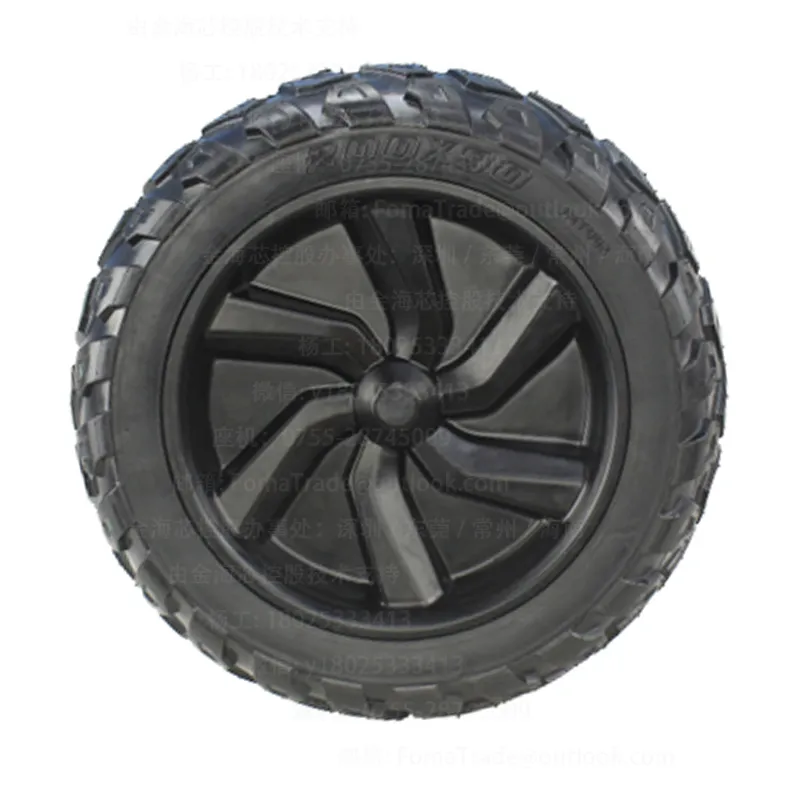
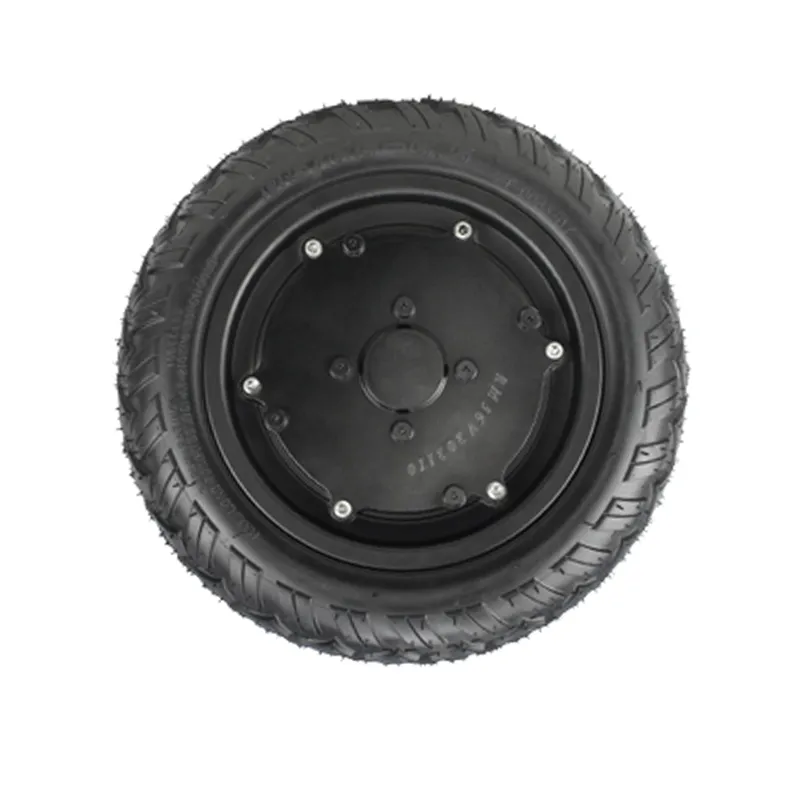
A brushless hub motor is the traction actuator in a low-voltage e-powertrain. Selection should confirm not only performance targets but also thermal robustness and integration fit.
Motor verification items
- Voltage class compatibility: ensure motor winding/ratings align with the planned system voltage
- Torque-speed suitability: confirm it covers the required operating envelope for your scenario
- Thermal considerations: expected continuous load, ambient conditions, and cooling assumptions
- Mechanical interface: wheel size, axle type, mounting features, and cable exit direction
- Sensor & feedback: Hall sensors/position feedback requirements based on controller strategy
4) Drive Controller Matching (Voltage/current and control requirements)
The drive controller must match both the motor electrical characteristics and the battery’s real discharge capability. In low-voltage systems, current handling and control features often drive stability and ride-feel.
Controller matching checklist
- Voltage rating: must cover battery nominal and maximum voltage (including charging peaks)
- Current capability: continuous and peak current aligned to torque demands and duty cycle
- Control inputs: throttle/brake logic, cut-off, mode switching, speed limits as required
- Protection functions: undervoltage/overvoltage, overcurrent, thermal protection
- Integration: harness/connector style, mounting, sealing expectations, diagnostics/communication if needed
Selection note: choose controller ratings based on real-world load and battery discharge limits, not on nameplate motor power alone.
5) Energy Battery Pack Configuration (Voltage, capacity, and discharge capability)
The energy battery pack defines system voltage, available energy (range/runtime), and—critically—how much current the controller can safely draw. Proper battery configuration prevents undervoltage trips, performance sag, and unnecessary stress on cells and wiring.
Battery pack selection dimensions
| Dimension |
What it affects |
What to clarify in requirements |
| Pack voltage |
Speed range, controller compatibility, wiring/current levels |
Nominal & max voltage, charge method, voltage cutoffs |
| Capacity (Ah/Wh) |
Runtime/range under defined duty cycle |
Target runtime, typical load profile, allowable pack size/weight |
| Discharge capability |
Peak torque support, acceleration, avoiding voltage sag |
Peak/continuous current expectations, cable & connector limits |
| Protection & BMS |
Safety, reliability, fault handling, serviceability |
Protection thresholds, balancing needs, interface/communication needs |
| Mechanical & integration |
Mounting, sealing, thermal management, maintenance |
Enclosure constraints, IP expectations, connector orientation, harness length |
6) System-Level Matching: Common Trade-offs to Manage
A workable configuration is one where motor, controller, and battery are matched with consistent limits. The most frequent B2B iteration points are performance vs. cost, packaging vs. thermal margin, and peak torque vs. battery stress.
Typical mismatch patterns (and what to check)
- High current demand vs. limited battery discharge: verify peak/continuous current alignment and voltage sag margin
- Controller rated voltage too close to pack maximum: keep adequate headroom for charging peaks and transients
- Motor thermal limits overlooked: confirm continuous operation requirements and environmental conditions
- Mechanical integration late changes: lock critical interfaces early (mounting, connectors, cable exits)
7) Customization for B2B Integration (What can be tailored)
As a design–R&D–manufacturing integrated supplier, Shenzhen Jinhaixin Holdings Co., Ltd supports project-based customization for low-voltage e-powertrain integration—covering hub motor, controller, and battery pack matching—so OEM teams can converge on a configuration that fits their product constraints.
Customization discussion topics
- Motor integration: mechanical fitment, cable/connector orientation, sensor options to match control strategy
- Controller tuning: parameter calibration based on torque response, protection thresholds, and operating profile
- Battery pack integration: enclosure form factor, harness/connector selections, protection logic alignment
- System harnessing: wiring layout to reduce losses and improve maintainability
For efficient collaboration, provide your scenario requirements, target torque/speed & power, desired control behavior, and battery/runtime constraints. This enables faster feasibility assessment and clearer motor–controller–battery matching.
8) Recommended Requirement Pack (to speed up selection)
To accelerate selection and reduce iteration cycles, prepare a concise requirement pack that engineering and sourcing teams can share during evaluation.
- Application: product type, duty cycle, environment, packaging constraints
- Performance targets: speed range, start/climb/cruise points, peak vs. continuous expectations
- Controller needs: voltage/current expectations, control inputs, protection and interface requirements
- Battery needs: voltage, capacity/runtime, peak/continuous discharge expectations, integration constraints
- Compliance & quality expectations: internal standards, validation approach, incoming inspection considerations
Shenzhen Jinhaixin Holdings Co., Ltd operates with a customer-centered approach and quality management focus, supporting stable and reliable delivery for B2B low-voltage e-powertrain projects.