Key Considerations When Selecting a Low-Voltage E-Powertrain System for Machinery Equipment
Shenzhen Jinhaixin Holdings Co., Ltd outlines the key factors to check when selecting a low-voltage e-powertrain system for machinery—covering application scenarios, load requirements, operating environment, space constraints, range targets, control methods, and customization boundaries—helping B2B teams build a clear technical requirement checklist for motor, controller, and battery suppliers.
Selecting a low-voltage e-powertrain system for machinery equipment is not only a component decision—it is a requirements decision. For B2B engineering and sourcing teams, the most efficient way to reduce iteration and risk is to build a clear checklist that aligns motor, drive controller, and energy battery pack to the application scenario, duty cycle, environment, space, and control method.
Shenzhen Jinhaixin Holdings Co., Ltd (Shenzhen Jinhaixin Holdings Co., Ltd) focuses on low-voltage three-electric systems for machinery, including BLDC hub motors, drive controllers, and energy battery packs, with engineering-oriented customization to help customers define feasible specifications and interfaces.
1) Confirm the Application Scenario (What the machine must do)
Start by describing the machinery task in operational language. A supplier can only propose an appropriate motor-controller-battery combination when the usage profile is explicit.
- Motion type: traction / pushing / lifting / rotation / intermittent positioning
- Typical workflow: continuous operation vs. frequent start-stop
- Working speed window: low-speed high-torque vs. mid/high-speed cruising
- Power source expectation: battery-only vs. hybrid charging opportunity during operation
2) Load, Torque, and Duty Cycle (What the system must handle)
For low-voltage e-powertrains, the selection is heavily driven by load and how often peak conditions occur. Defining the duty cycle helps avoid oversizing while keeping thermal and reliability margins realistic.
Key load inputs to provide
- Rated load vs. peak load (including payload variability)
- Slope/grade, rolling resistance, friction sources
- Acceleration targets and braking strategy
- Expected working hours per shift and cycle pattern
Why it matters for selection
- Motor & controller thermal design depends on duty cycle
- Peak torque/current capability affects controller sizing and wiring
- Battery discharge rate impacts usable capacity and range stability
3) Operating Environment (Where it must work reliably)
Environment drives sealing, corrosion protection, thermal margin, and long-term stability. Provide the real conditions—especially for outdoor, wet, dusty, or temperature-sensitive applications.
| Environment factor |
Information B2B teams should clarify |
Impacted e-powertrain aspects |
| Temperature range |
Ambient min/max, heat sources near installation |
Thermal derating, battery performance, controller protection |
| Dust / water exposure |
Splash, washdown, mud, abrasive dust |
Enclosure sealing, connectors, corrosion protection |
| Vibration / shock |
Installation location, expected impact events |
Mounting design, harness routing, connector retention |
| EMI / nearby electronics |
Sensors, communications modules, sensitive control units |
Controller EMC considerations, grounding and layout planning |
4) Installation Space & Interfaces (What must fit)
Space constraints are often the hidden blocker. Capture mechanical envelopes and interface expectations early to avoid redesign later.
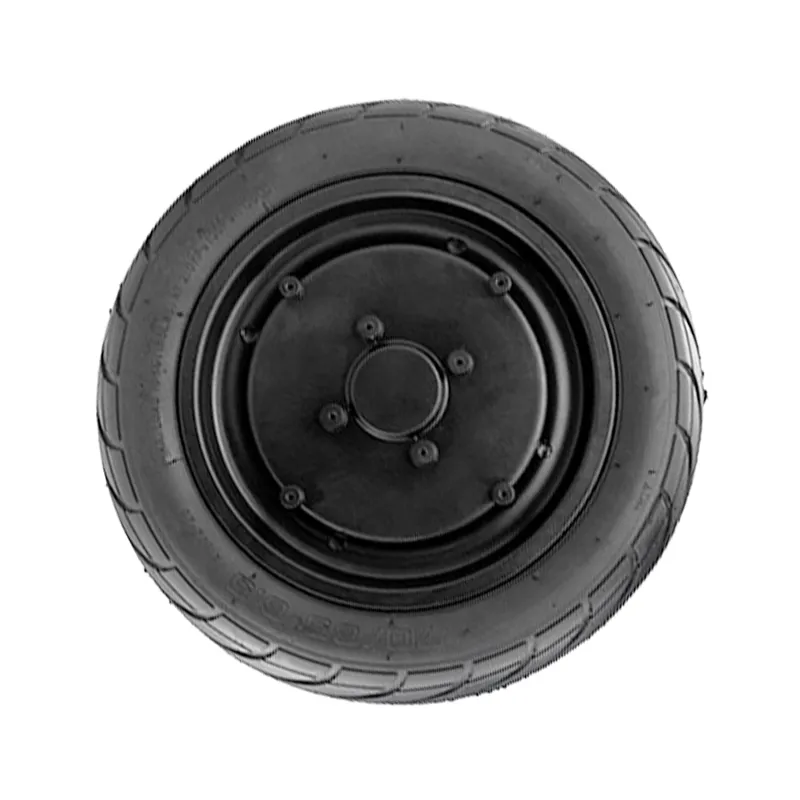
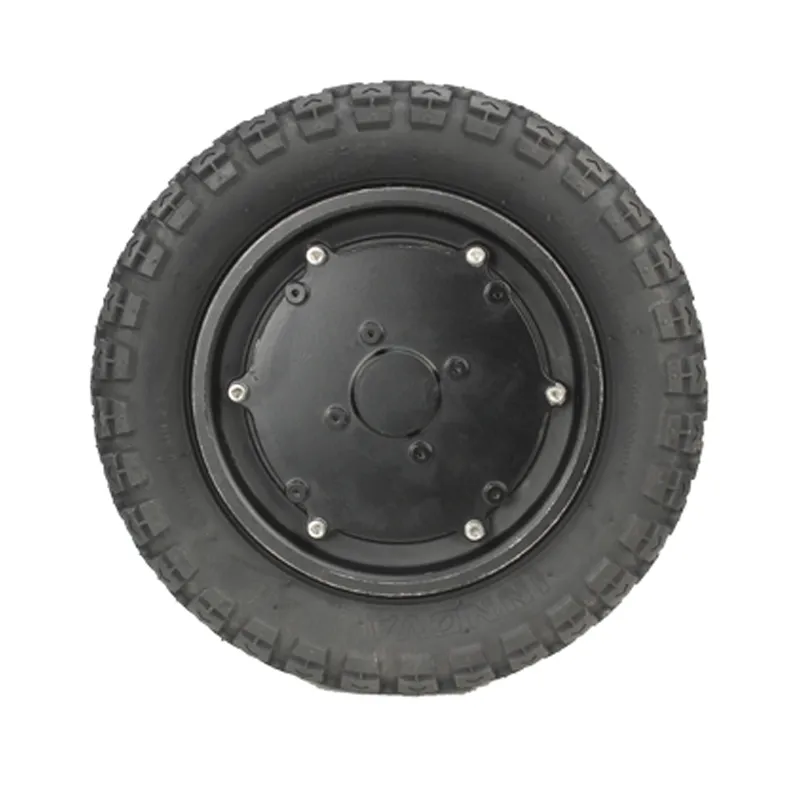
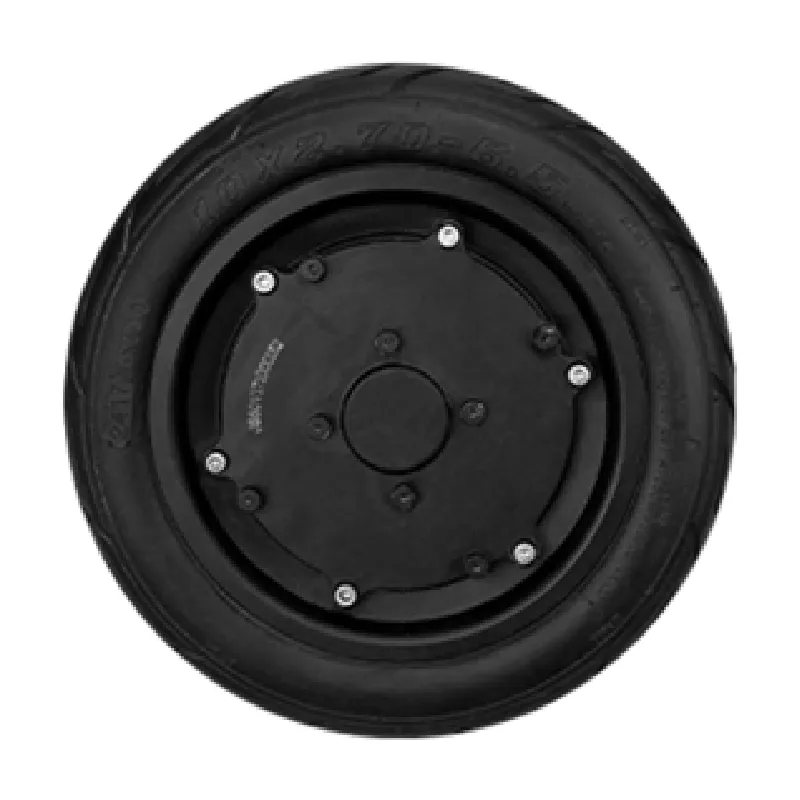
- Motor fitment: mounting points, wheel/hub integration (if using a BLDC hub motor), allowable axial/radial space
- Controller installation: cooling path, airflow or heat-sinking surface, protection from debris/water
- Battery pack placement: available volume, service access, cable routing, mechanical protection
- Connectors & harness: connector types, length limits, strain relief, maintenance access
Practical tip: provide a simple dimensional drawing or 3D envelope for each component area; it speeds up feasibility checks for customization without committing to a full redesign.
5) Range / Energy Targets (How long it must run)
A realistic energy target ties together battery capacity, discharge behavior, charging time windows, and real operating efficiency. Instead of only stating “desired range,” define how the machinery is used per shift.
Energy requirement inputs that reduce back-and-forth
- Target working time per charge (or per shift) and charging opportunities
- Typical load profile across the day (light vs. heavy periods)
- Preferred charging method and allowable downtime
- Any constraints on battery weight distribution or center of gravity
6) Control Method & Signal Requirements (How it must be controlled)
Control integration is a frequent source of delays. Clarify how your machine provides commands and how you want to monitor status—this directly impacts controller selection and software parameterization.
Command & control checklist
- Speed/torque control preference (and response expectations)
- Start/stop logic, interlocks, and safety behavior
- Braking method and any regenerative requirements (if applicable)
- Fault handling expectations and reset behavior
Signals & integration
- What signals are available from your main control unit
- What feedback you need (speed, current, temperature, SOC, faults)
- Connector and wiring constraints for the machine layout
- Commissioning needs: parameter tuning and acceptance criteria
7) Customization Boundaries (What can be tailored—and what must be fixed)
For machinery projects, customization is often necessary, but it must stay within feasible engineering boundaries to maintain reliability and lead-time predictability. A good supplier will help you define what is configurable versus what should remain standardized.
Typical customization discussion areas (example structure)
- Mechanical: mounting interfaces, brackets, packaging constraints, cable exit direction
- Electrical: connector definitions, harness length, protection strategy, charging interface
- Calibration/parameters: acceleration curve, current limits, thermal protection thresholds (within safe limits)
- System matching: coordinating motor-controller-battery limits for stable operation
Note: final feasibility depends on your complete constraints and compliance requirements; avoid locking specifications before interface and duty-cycle details are validated.
A Practical Requirement Checklist (Share with motor/controller/battery suppliers)
Use the following as a starting template when communicating with low-voltage e-powertrain suppliers. It helps align engineering, procurement, and manufacturing early.
- Application: machinery type, motion mode, operating schedule, performance priority
- Load & duty: rated/peak load, grade, cycle time, peak frequency
- Environment: temperature, dust/water exposure, vibration, EMI context
- Space & installation: envelopes, mounting points, service space, cable routing
- Energy target: working time, charging method, downtime constraints
- Control & signals: command method, required feedback, safety logic expectations
- Customization scope: required modifications, “must-haves” vs “nice-to-haves,” validation plan
How Shenzhen Jinhaixin Supports B2B Engineering Teams
As a manufacturing-trading integrated company focused on low-voltage three-electric systems, Shenzhen Jinhaixin Holdings Co., Ltd supports customers with system-level thinking across BLDC hub motors, drive controllers, and energy battery packs. With production bases in Shenzhen, Dongguan, Changzhou, and Hainan, we emphasize consistent quality management and efficient collaboration for machinery projects that require clear interfaces and stable operation.
What we can align with you
- Initial requirement review and feasibility discussion
- Motor-controller-battery matching logic and interface alignment
- Customization evaluation based on installation and duty-cycle constraints
What to prepare for faster turnaround
- Basic machine parameters and operating cycle description
- Space drawings and interface expectations
- Target runtime and charging constraints
If you share the checklist above with your project context, the discussion with an e-drive supplier becomes more objective—helping you converge on a workable low-voltage e-powertrain configuration with fewer iterations.


.png?x-oss-process=image/resize,h_800,m_lfit/format,webp)