Home > News > How to Drive Low-Voltage E-Powertrain Projects in Machinery: From Product Combo to Custom Delivery | Shenzhen Jinhaixin Holdings Co., Ltd

Driving a Machinery Low-Voltage E-Powertrain Project: Product Combination Evaluation to Custom Delivery

2026-08-04
Shenzhen Jinhaixin Holdings Co., Ltd summarizes how machinery-industry low-voltage e-powertrain projects are executed—from requirement confirmation and BLDC hub motor + drive controller evaluation to battery pack configuration, sample testing, and mass delivery—highlighting key coordination points across engineering, quality, production, and delivery.

In machinery applications, a low-voltage e-powertrain (three-electric) project succeeds or fails on execution details—how requirements are confirmed, how a BLDC hub motor is matched with a drive controller, how the battery pack is configured, and how sampling, testing, and mass delivery are coordinated.

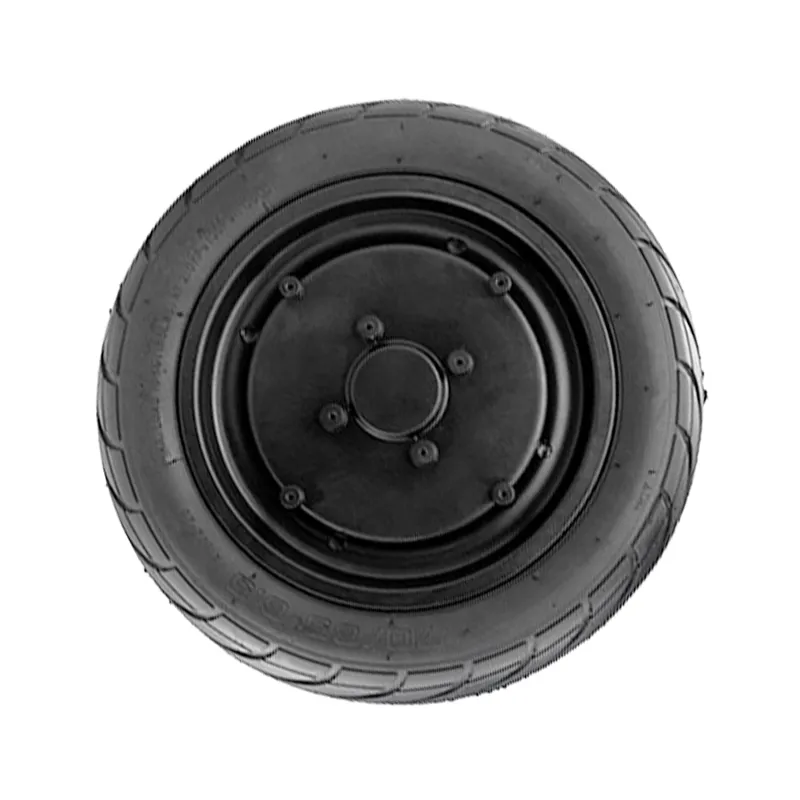
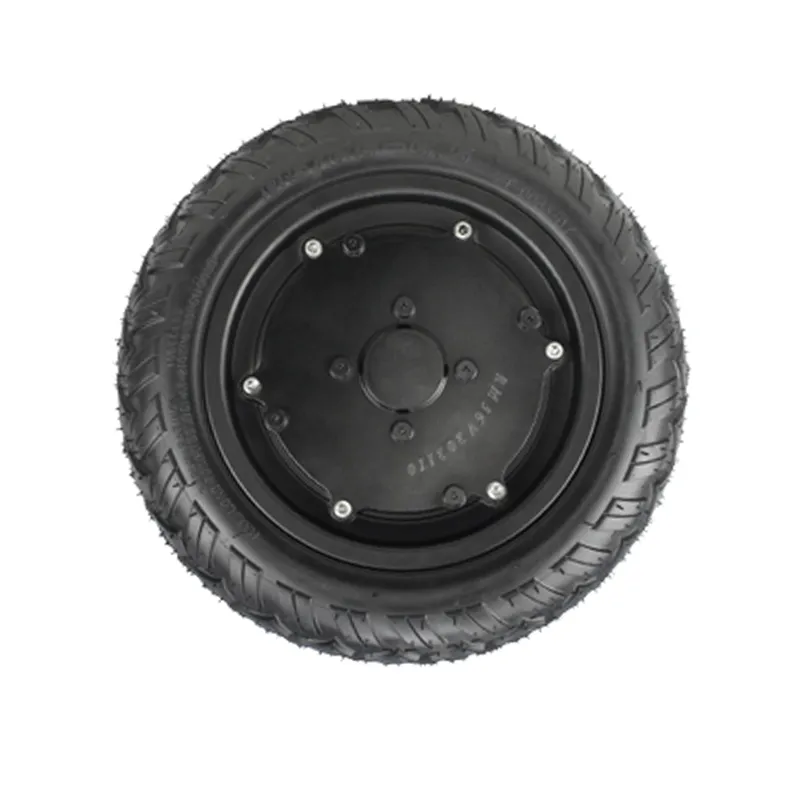
Shenzhen Jinhaixin Holdings Co., Ltd (Shenzhen Jinhaixin) works as an integrated B2B manufacturer focused on low-voltage three-electric system design, R&D, customization, production, and sales—covering BLDC hub motors, drive controllers, and energy battery packs. Below is a practical workflow buyers can use to evaluate collaboration fit and project readiness.

What this page covers (project execution scope)

Core product combination evaluation

  • BLDC hub motor selection and customization boundaries
  • Drive controller matching and parameter alignment
  • Battery pack configuration alignment with the system load and usage profile

Execution checkpoints

  • Engineering: interface and parameter confirmation
  • Quality: agreed inspection and acceptance standards
  • Production: manufacturability and readiness for scaling
  • Delivery: sampling schedule, iteration loops, and mass delivery coordination

Step-by-step workflow: from requirement confirmation to mass delivery

  1. Requirement confirmation (use case & constraints)

    Clarify the machinery application scenario, operating profile, and practical constraints that affect low-voltage three-electric design. This step sets the baseline for motor, controller, and battery pack matching and avoids rework later.

  2. BLDC hub motor evaluation (selection or customization)

    Evaluate motor suitability for the application and determine which items require customization (e.g., mechanical interfaces and integration requirements) versus standard adoption. The goal is to define an implementable motor solution that can be validated by sampling and testing.

  3. Drive controller matching (parameter alignment & integration)

    Match the controller with the selected BLDC hub motor and confirm key coordination points—control strategy fit, interfaces, and alignment of system parameters—so the combined e-powertrain behaves consistently under expected operating conditions.

  4. Battery pack configuration alignment (energy & compatibility)

    Configure the battery pack based on the requirement baseline and the motor + controller combination. Confirm the alignment items that impact system stability and integration so that sampling can represent real operating behavior.

  5. Sample build & sample testing (verification loop)

    Build samples and execute agreed tests to verify that the motor, controller, and battery pack configuration meet the confirmed requirements. Findings are used to iterate engineering parameters and acceptance criteria before scale-up.

  6. Mass-production readiness & delivery coordination

    Align manufacturing readiness, quality checkpoints, and delivery planning. This stage focuses on process stability, consistent inspection standards, and practical coordination across production and logistics for B2B delivery.

Buyer tip: Treat the workflow as a checklist. If the supplier can explain each stage clearly—what inputs are needed, what outputs you receive, and what triggers iteration—you can better assess execution capability for a customized low-voltage e-powertrain project.

Cross-functional checkpoints to keep customization on track

Function What to align Why it matters in machinery projects
Engineering Interfaces, parameter confirmation, motor–controller matching logic, battery pack configuration compatibility Reduces integration risk and ensures the low-voltage three-electric system behaves predictably after assembly and commissioning
Quality Inspection approach, acceptance criteria, sample testing scope, verification records for iteration Keeps evaluations objective and repeatable across samples and mass production, supporting stable delivery
Production Manufacturability review, process readiness, scaling plan from sample to batch Prevents a “prototype-only” outcome by ensuring the customized solution can be produced consistently
Delivery Milestones, lead-time expectations, change communication, packaging and shipment coordination Supports reliable project planning for B2B buyers and reduces surprises during ramp-up and mass delivery

Where Shenzhen Jinhaixin fits in your low-voltage three-electric project

Integrated product scope

As a low-voltage e-powertrain supplier, Shenzhen Jinhaixin supports projects centered on:

  • BLDC hub motors (including customization for application integration)
  • Drive controllers for matching and system execution
  • Energy battery packs for configuration alignment and delivery

Collaboration style (B2B project execution)

With headquarters in Shenzhen and production bases in Shenzhen, Dongguan, Changzhou, and Hainan, the company emphasizes quality management and operational coordination to support stable manufacturing and delivery for customized projects.

Practical focus: confirm requirements → evaluate motor & controller matching → align battery configuration → build & test samples → move into mass delivery with clear checkpoints.

How to start a project evaluation

To move efficiently from evaluation to sampling, prepare a concise requirement package and agree on an execution rhythm. For machinery buyers, this reduces iteration cycles and helps both sides maintain traceable decisions.

Recommended inputs (buyer)

  • Application scenario and operating profile
  • Integration constraints and interface expectations
  • Target timeline for sampling and mass delivery
  • Acceptance approach for sample testing

Typical outputs (supplier)

  • Proposed motor + controller matching direction
  • Battery pack configuration alignment items for confirmation
  • Sample plan with testing checkpoints and iteration triggers
  • Mass-production readiness and delivery coordination plan

If you are evaluating a machinery low-voltage e-powertrain project, Shenzhen Jinhaixin can align the BLDC hub motor, drive controller, and battery pack as a coordinated system and proceed through sampling, testing, and delivery with cross-functional checkpoints.

Name *
Email *
Message*
Recommended Products