
In B2B sourcing for a low-voltage e-powertrain—typically a BLDC hub motor, a drive controller, and a battery pack—unit price comparisons can hide integration risk and lifecycle cost. Procurement and engineering teams often discover issues only after pilot builds: mismatched performance, unstable supply, inconsistent quality, or unclear after-sales ownership across multiple vendors.
Page focus: common pitfalls in low-voltage e-powertrain procurement and how to evaluate suppliers beyond unit price—based on system matching, customization readiness, quality management, delivery stability, and after-sales coordination.
Motors, controllers, and battery packs do not work as independent commodities. As a system, they must be electrically compatible, thermally stable, and tunable to your vehicle or equipment’s duty cycle. If each component is sourced by unit price alone, the hidden costs often appear in:
A “good motor” can underperform if the controller’s current limits, commutation strategy, or protection thresholds are not aligned. Likewise, battery pack capability (voltage sag, peak current, BMS limits) directly affects torque response and thermal margin.
Spec sheets rarely capture tuning quality, protection calibration, thermal behavior, connector and harness robustness, or manufacturing consistency. Small differences in design and process control can drive large differences in field reliability.
Many applications require parameter tuning, harness/connector changes, mounting adaptations, communication protocol alignment, or battery pack form-factor adjustments. If a supplier cannot support controlled customization, projects stall during EVT/DVT or pilot builds.
Stable quality depends on process controls, traceability, change control, and clear test standards across motor/controller/battery. Without a robust quality management process, the same part number can drift over time.
Low-voltage e-powertrain programs are sensitive to lead times, capacity planning, and component availability. A lower unit price can be offset by production line stoppage risks when supply is unstable or changes are poorly communicated.
When motor, controller, and battery are sourced from different parties, fault diagnosis can become a blame loop. A supplier who can coordinate after-sales across the system reduces downtime and accelerates root-cause resolution.
Use the questions below to assess total lifecycle value, integration risk, and long-term reliability for your low-voltage e-powertrain procurement.
| Evaluation factor | What to verify | Why it matters |
|---|---|---|
| System matching & tuning | Motor-controller-battery compatibility, parameter tuning approach, protection strategy alignment | Reduces integration loops and improves stability in real duty cycles |
| Customization readiness | Mechanical interfaces, harness/connector options, software/firmware parameter flexibility, battery pack form-factor support | Avoids late-stage redesign and supports application-specific needs |
| Quality management process | Process control, testing standards, traceability, change control and communication | Improves batch consistency and reduces field issues |
| Delivery stability | Capacity planning, multi-site support, lead time control, change notification practices | Protects your production schedule and launch timeline |
| After-sales coordination | Clear ownership for diagnosis, cross-component troubleshooting, feedback loop for corrective actions | Speeds root-cause resolution and reduces downtime |
Procurement best practice: evaluate total system value—including integration effort, quality stability, delivery continuity, and service collaboration—before locking in a unit-price-based decision.
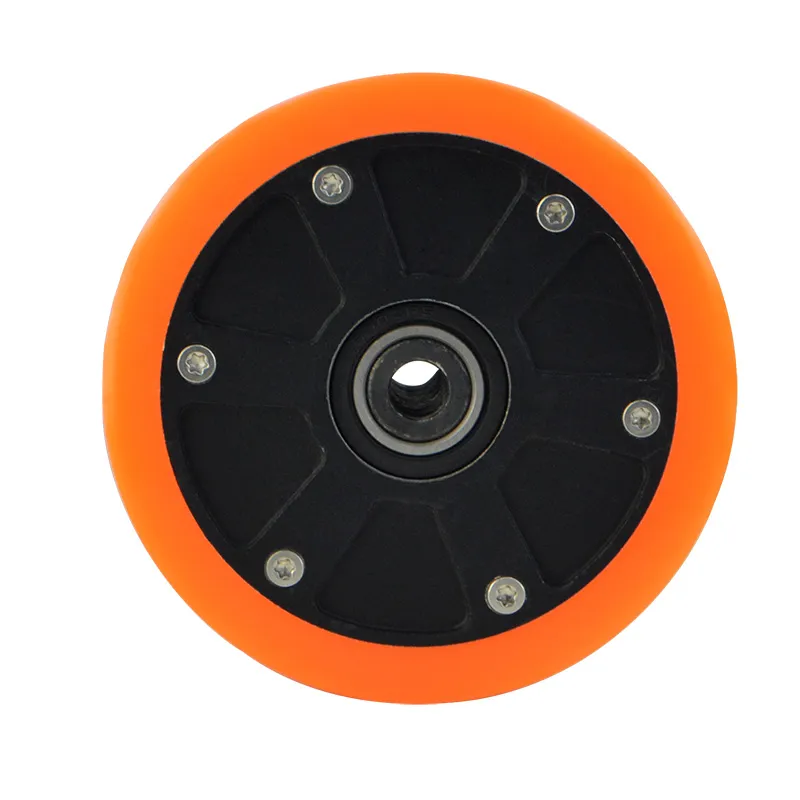
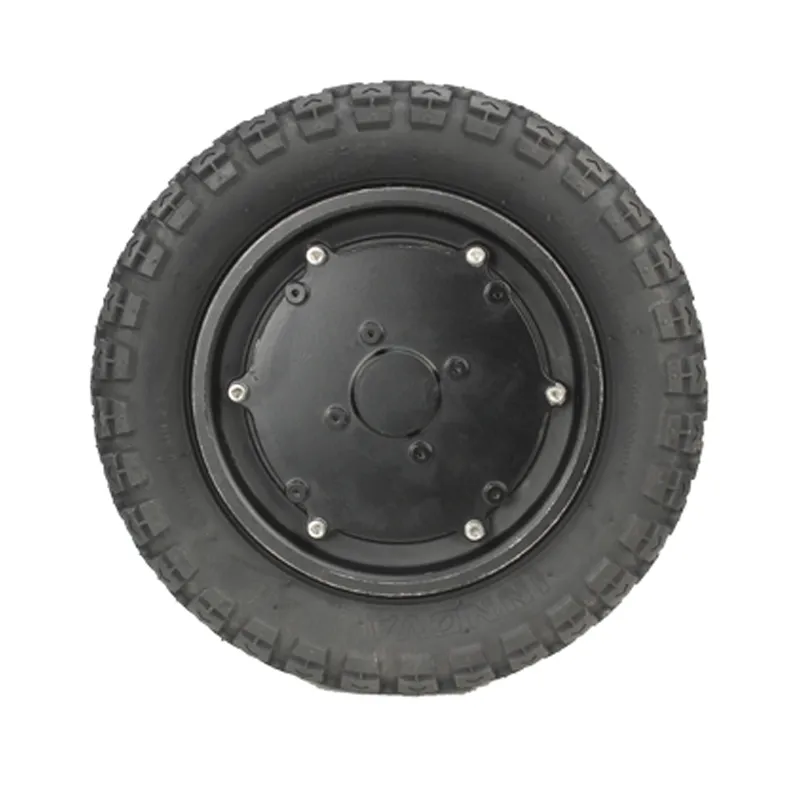
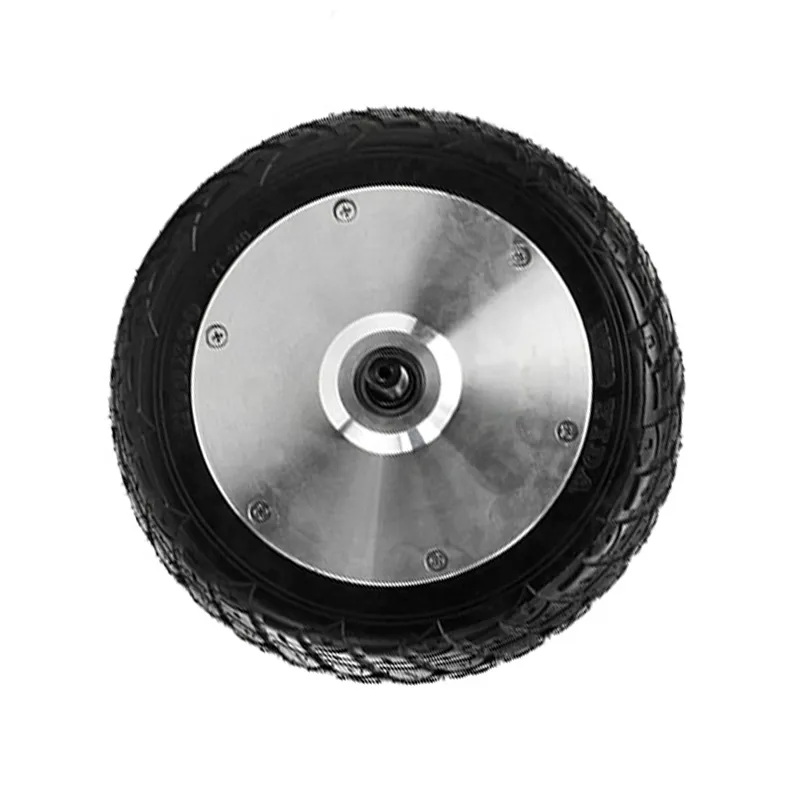
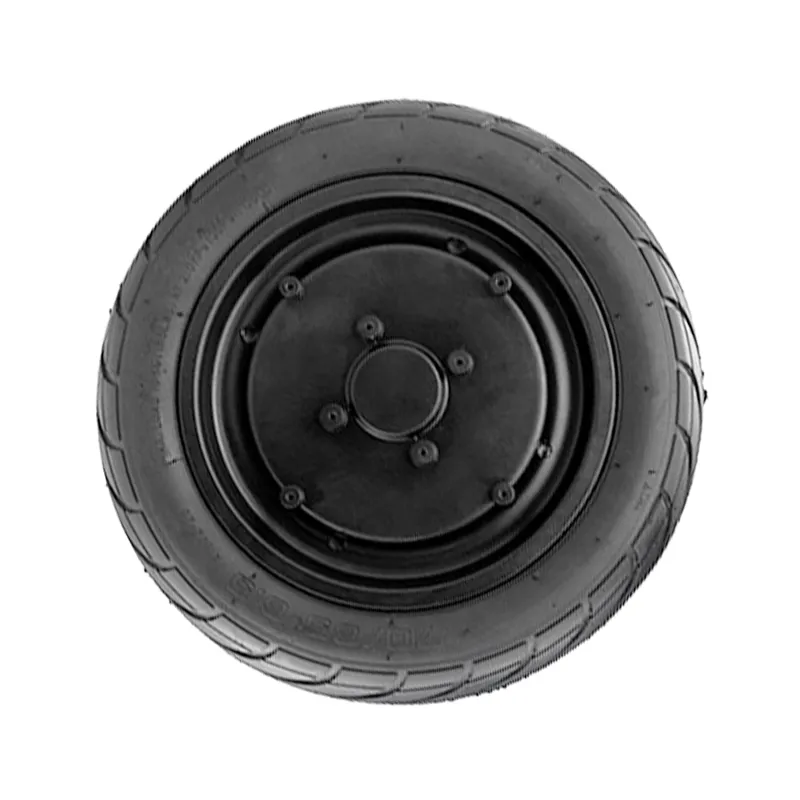
Shenzhen Jinhaixin Holdings Co., Ltd is an integrated B2B manufacturer focused on low-voltage e-powertrain design, development, customization, production, and sales. Our offering typically covers: BLDC hub motors, drive controllers, and energy battery packs, with project-based customization to fit different industry applications.
We approach sourcing and engineering alignment as a complete low-voltage e-powertrain solution—helping teams reduce mismatch risk between motor, controller, and battery pack during evaluation and ramp-up.
For B2B programs, we support customization within a controlled development-and-manufacturing workflow—so engineering changes and application requirements can be handled with clearer scope, communication, and verification.
We emphasize product stability through a structured quality management system and efficient operational mechanisms—aimed at consistent deliveries and reliable product performance across batches.
Headquartered in Shenzhen, with production bases in Shenzhen, Dongguan, Changzhou, and Hainan, we support supply continuity and coordinated manufacturing for B2B customers.
If you are assessing suppliers for a low-voltage e-powertrain program, Shenzhen Jinhaixin Holdings Co., Ltd can support a structured evaluation with a system-based view—helping teams reduce integration risk and improve long-term supply reliability.



.png?x-oss-process=image/resize,m_fill,h_800,w_800/format,webp)