A low-voltage e-powertrain is a coordinated system—typically a BLDC hub motor, a drive controller, and an energy battery pack—that must be matched as a whole to deliver stable power, controllability, and reliability in compact electric applications.
This page explains how the three components work together for B2B sourcing and engineering alignment, and clarifies where customization creates value without overextending requirements. The explanation is provided by Shenzhen Jinhaixin Holdings Co., Ltd (brand: WINAMICS), an integrated enterprise focused on low-voltage e-powertrain design, R&D, customization, production, and sales.
Related product reference
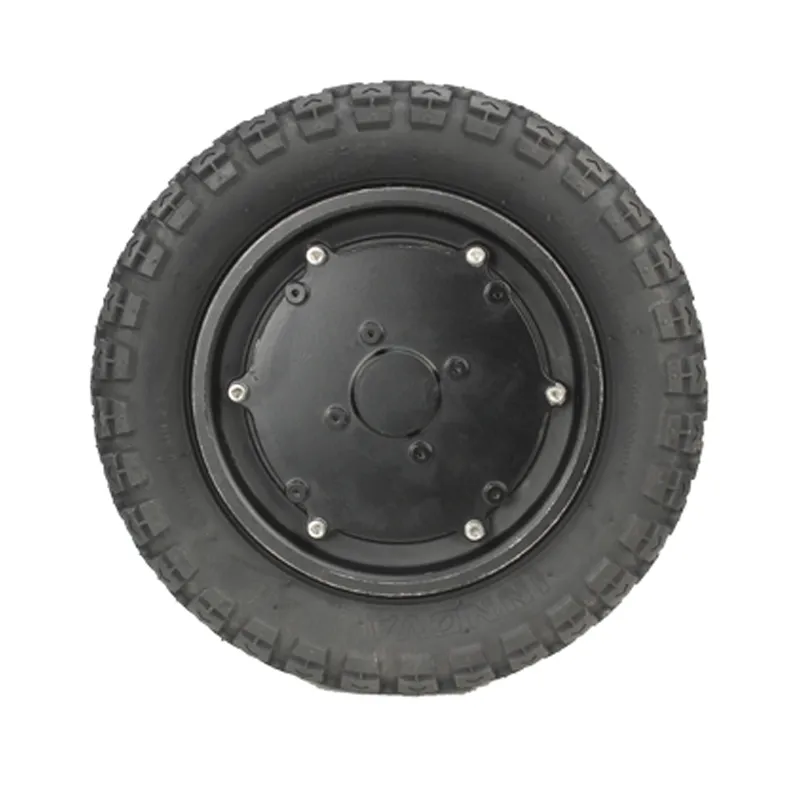
WINAMICS 8-inch unilateral shaft-pressed conventional hub motor
Diameter: 200 mm · Tire width: 84 mm · SKU: 24428H02001050512303036D1-0807
In procurement and engineering, “low-voltage e-powertrain” is not a single part—it is a collaboration logic. The battery pack supplies energy, the controller converts and regulates it, and the BLDC hub motor turns it into mechanical output at the wheel. Performance and reliability depend on how well the three are electrically and mechanically matched.
Converts controlled electrical power into wheel torque. Key matching points include physical fitment, installation structure, and how the motor behaves under load in compact vehicles and leisure equipment.
Acts as the “control brain” that manages commutation, speed response, and operating logic. It must be compatible with the motor’s characteristics and with the battery pack’s usable voltage range.
Provides energy supply for the whole system. Matching focuses on stable power delivery, usable capacity for the target duty cycle, and integration boundaries defined by the system design.
For B2B buyers, the most common sourcing risk is treating parts as interchangeable. A system-level approach reduces integration rework and helps keep the application stable across real-world operating conditions.
Shenzhen Jinhaixin Holdings Co., Ltd supports personalized customization around low-voltage e-powertrain integration. To keep projects efficient, it helps to define customization in terms of system boundaries—what must be tailored for your platform versus what can remain standardized.
Practical tip for sourcing: define “must-have” requirements (application scenario, mechanical constraints, integration targets) first, then decide which parameters need customization. This avoids over-specification and helps keep lead-time and engineering workload predictable.
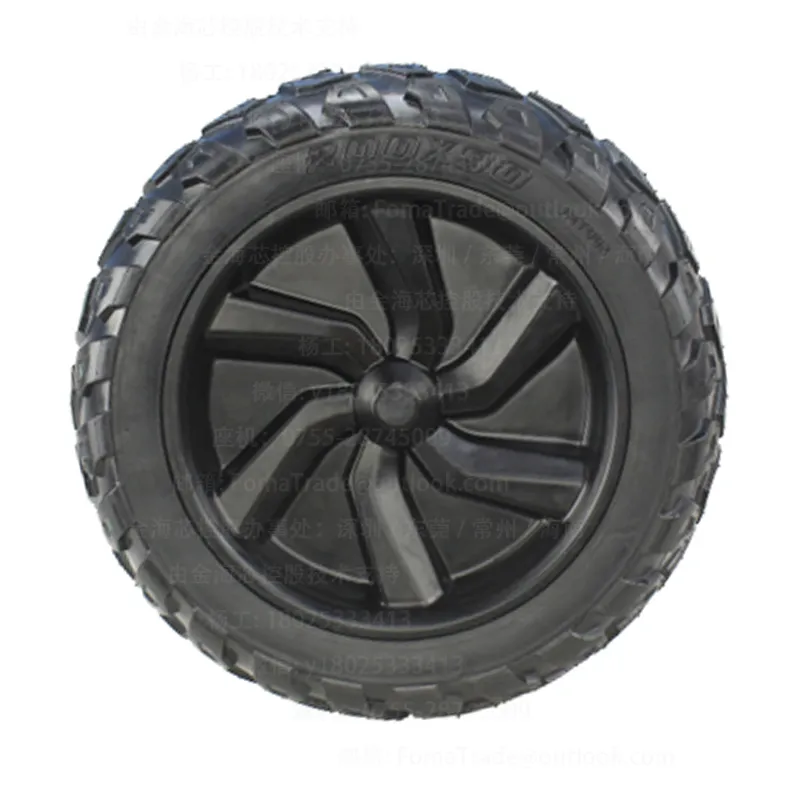
As a concrete example inside a low-voltage e-powertrain, WINAMICS provides an 8-inch unilateral shaft-pressed conventional hub motor designed for compact applications such as small go-karts and leisure equipment. The motor’s structure and dimensions support stable operation and practical installation for manufacturing teams.
Integration note: Even with a well-suited hub motor, system performance depends on matching it with the appropriate drive controller and energy battery pack within the low-voltage e-powertrain architecture—especially for stable operation and repeatable manufacturing.
If you are evaluating a low-voltage e-powertrain for a compact application, prepare your target scenario (vehicle type, installation constraints, and expected duty cycle) so the hub motor, drive controller, and battery pack can be matched as a coordinated system.
Reference SKU: 24428H02001050512303036D1-0807
WINAMICS 8-inch unilateral shaft-pressed conventional hub motor (200 mm / 84 mm)
What we align on: component collaboration logic, integration boundaries, and practical manufacturability—so your sourcing decision is system-informed rather than part-by-part.