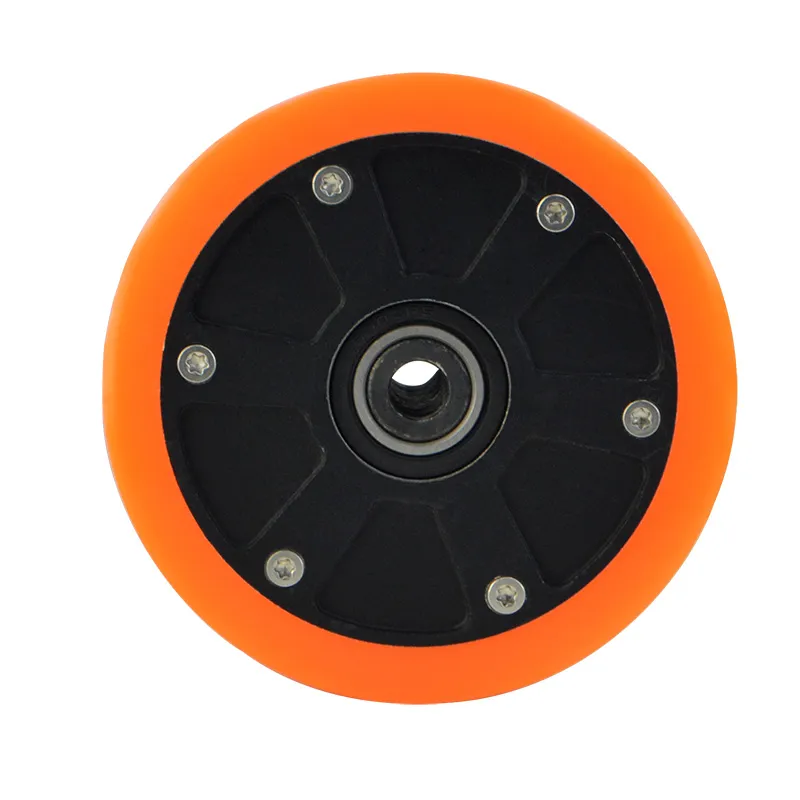
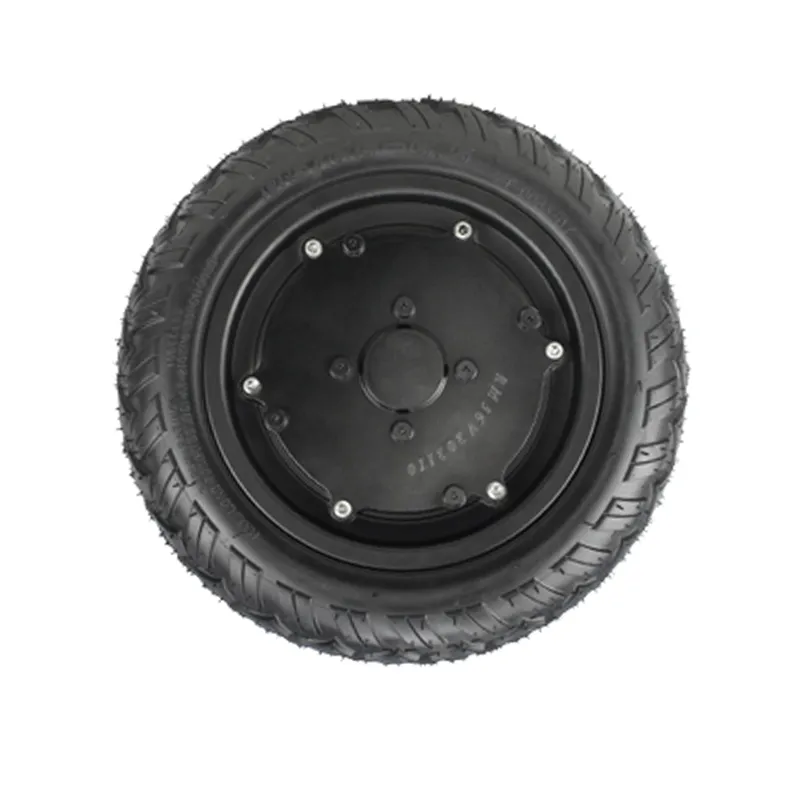
A low-voltage e-powertrain—often called a low-voltage three-electric system—typically refers to the coordinated set of motor, controller, and battery pack used to deliver propulsion power and control logic in compact electric mobility and industrial light-duty applications.
At Shenzhen Jinhaixin Holdings Co., Ltd, we focus on low-voltage three-electric system design, R&D, customization, manufacturing, and B2B supply—covering BLDC hub motors, drive controllers, and energy battery packs. This page explains how these modules divide roles and how their matching and synergy shapes system performance and reliability.
In B2B evaluation, “low-voltage” commonly indicates a powertrain architecture designed around lower DC bus voltages than high-voltage EV platforms, prioritizing compactness, cost-effectiveness, and integration flexibility. Regardless of end product, the core idea is stable cooperation among three modules:
Converts electrical energy into mechanical torque and speed at the wheel. Hub motors can simplify drivetrain layout by integrating the motor close to the load.
Regulates current and commutation, manages start/stop and acceleration behavior, and executes protection logic based on sensor signals and control strategy.
Provides DC power and must support required current, voltage stability, and safety boundaries across real working cycles (start-up, load change, steady running).
System-level results rarely depend on a single component. A practical low-voltage e-powertrain is defined by how the hub motor, controller, and battery pack coordinate under different operating phases:
Key takeaway: The best outcome is achieved when electrical limits (battery), control strategy (controller), and mechanical/electromagnetic capability (hub motor) are matched for the same duty cycle and usage conditions.
For OEMs, integrators, and project engineers, evaluation is typically faster and safer when requirements are translated into system-level checkpoints. Below are non-exhaustive, practical items that support early-stage selection and solution planning.
As a manufacturing-and-trading integrated enterprise, Shenzhen Jinhaixin Holdings Co., Ltd supports B2B customers that need individual components or a coordinated low-voltage three-electric system. Our scope includes:
Production bases are located in Shenzhen, Dongguan, Changzhou, and Hainan, supporting flexible manufacturing and collaboration for different project needs.
If you are building initial understanding for product evaluation or entry-level solution planning, start by aligning the three modules around the same duty cycle and boundary conditions.
Start-up frequency, load variation, typical running duration, and environment considerations.
Voltage platform, current requirements, and protection coordination between controller and battery pack.
Torque/speed targets, smoothness, thermal margin, and integration feasibility within the product structure.
For B2B projects, this structured approach helps teams communicate clearly between procurement, engineering, and manufacturing—reducing mismatches between hub motor, drive controller, and energy battery pack early in the process.
If you are evaluating a low-voltage e-powertrain or need guidance on system matching between a BLDC hub motor, drive controller, and energy battery pack, Shenzhen Jinhaixin Holdings Co., Ltd can support component selection and customization based on your application constraints and integration goals.