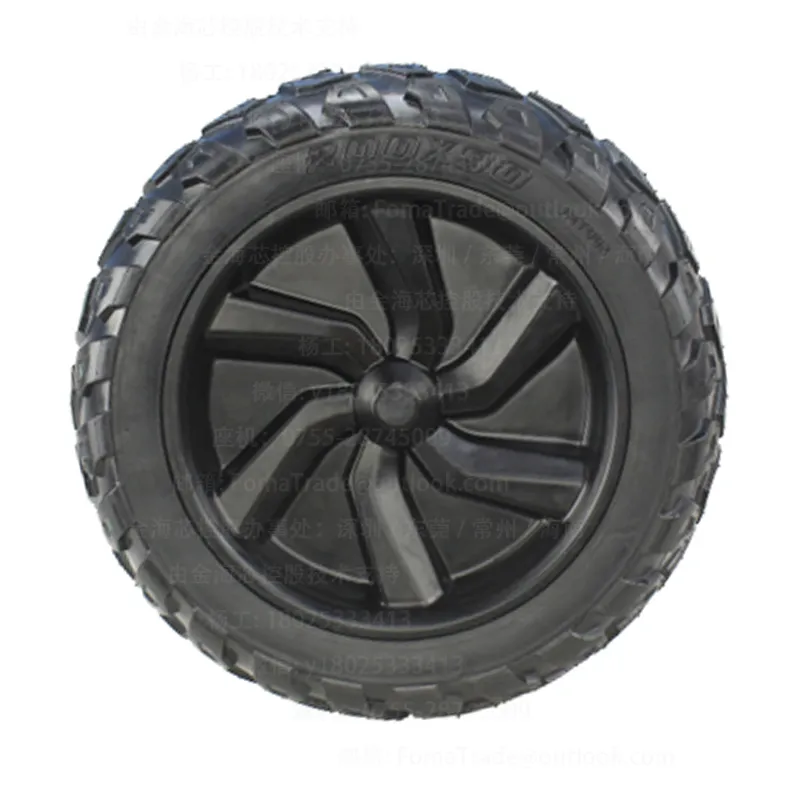
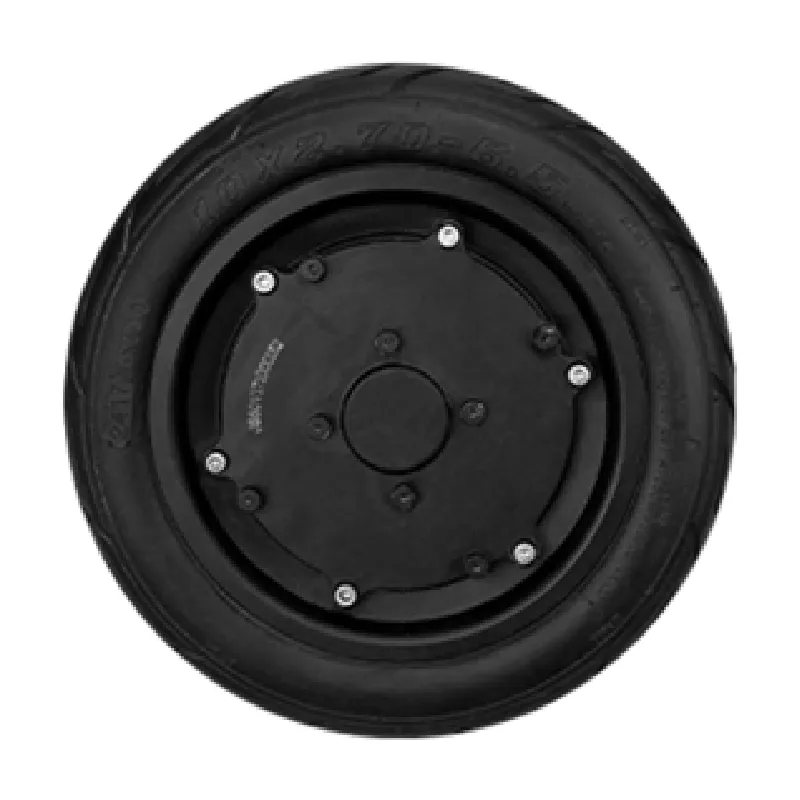
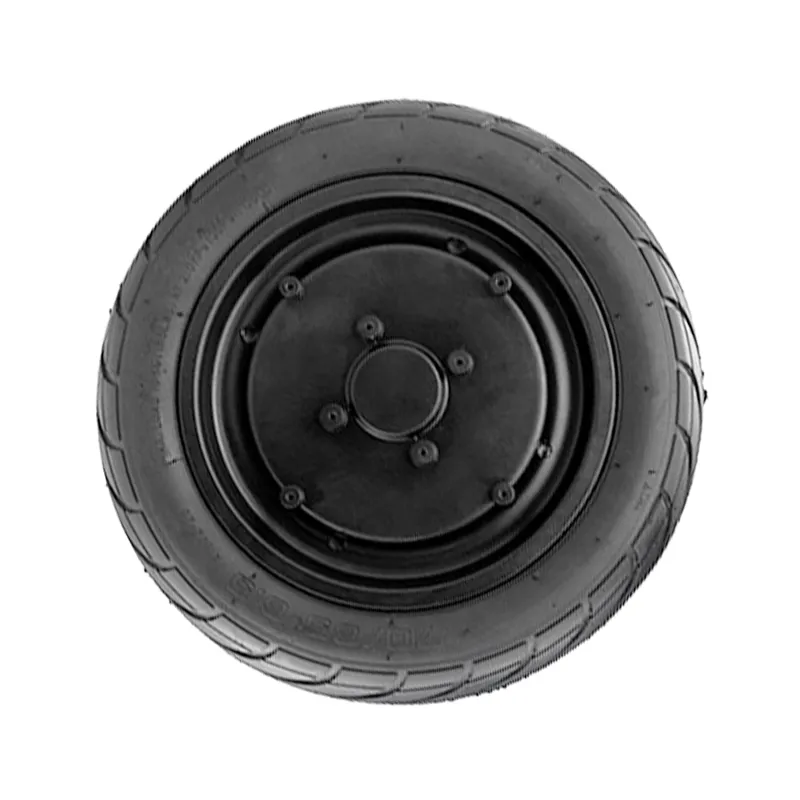
Low-voltage e-powertrain customization is a project—not a single purchase item. For B2B buyers evaluating feasibility, timelines, and supplier fit, clarity around milestones and verification points is essential. Shenzhen Jinhaixin Holdings Co., Ltd provides a practical workflow for customizing a low-voltage e-powertrain system that typically includes a BLDC hub motor, a drive controller, and an battery pack, aligned from requirement confirmation through prototype validation and mass delivery.
Who this guide is for: procurement managers, product owners, and engineering teams sourcing low-voltage e-powertrain components or an integrated solution—who need a supplier evaluation framework and a predictable project path.
In a customization project, the deliverable is not only hardware but also a validated configuration and build plan. A typical low-voltage e-powertrain scope may include:
This step turns a “need” into a verifiable requirement set that engineering, quality, and procurement can all use. It is also where feasibility and key risks are surfaced early.
Buyer tip: A strong supplier will ask structured questions at kickoff. If requirement confirmation is rushed, prototype cycles often expand later.
Based on confirmed requirements, the supplier proposes a system configuration and engineering logic that can be reviewed and traced to the requirement set.
Prototypes convert the design into a physical sample so both parties can verify fit, interfaces, and functional behavior before scaling. This is where small issues are intentionally discovered and corrected.
Validation is where “works” becomes “meets acceptance criteria.” The objective is to confirm that the prototype aligns with the requirement set and is ready for production planning.
After sign-off, the focus shifts to stable manufacturing and consistent delivery, supported by quality management and efficient operations. This stage is critical for B2B procurement planning.
A low-voltage e-powertrain customization project is easier to manage when checkpoints are explicit. Below is a practical evaluation view aligned to the milestones above.
| Phase | What to Confirm | What Good Looks Like |
|---|---|---|
| Requirement confirmation | Scope boundaries, interfaces, timeline, acceptance logic | Structured requirement capture and clear milestone plan |
| Solution design | Motor–controller–battery compatibility and integration approach | Design choices trace back to requirements; manufacturability considered |
| Prototype build | Sample consistency, interface accuracy, feedback responsiveness | Fast issue closure with controlled updates |
| Prototype validation | Evidence aligned to acceptance criteria | Clear sign-off point and parameter freeze before scaling |
| Mass delivery | Repeatability, delivery validation support, coordination | Stable output supported by quality management and operations |
For B2B procurement, delivery stability matters as much as technical fit. As an integrated design–R&D–manufacturing–sales enterprise, Shenzhen Jinhaixin Holdings Co., Ltd supports project execution with production bases in Shenzhen, Dongguan, Changzhou, and Hainan, enabling coordinated manufacturing planning and capacity alignment across project stages.
Our operating principle is to keep the customization workflow traceable: requirements are confirmed, solutions are reviewed, prototypes are validated, and mass delivery is executed with verification in mind—so buyers can manage risk and evaluate suppliers with clear checkpoints.
To accelerate requirement confirmation and shorten iteration loops, buyers typically prepare the items below. If some information is not available, the project can still start—these details can be clarified during kickoff.
If you are sourcing a low-voltage e-powertrain customization project, Shenzhen Jinhaixin can support discussions around requirement confirmation, solution design, prototype/sample validation, and coordinated mass production delivery for BLDC hub motors, drive controllers, and battery packs—helping your team assess feasibility and supplier fit with a structured workflow.