Common Mistakes in Low-Voltage E-Powertrain Customization: Beyond Motor Power
Shenzhen Jinhaixin Holdings Co., Ltd explains common pitfalls in low-voltage e-powertrain (motor-controller-battery) customization and sourcing—why focusing only on motor power can cause unstable performance, and how to reduce risk through parameter matching, environment checks, duty-cycle validation, and mass-production acceptance.
In low-voltage e-powertrain projects (motor–controller–battery), a frequent sourcing shortcut is to decide the system mainly by motor power (e.g., “higher watts = better performance”). In practice, this often leads to unstable driving behavior, overheating, or inconsistent range after the vehicle is assembled and tested under real duty cycles.
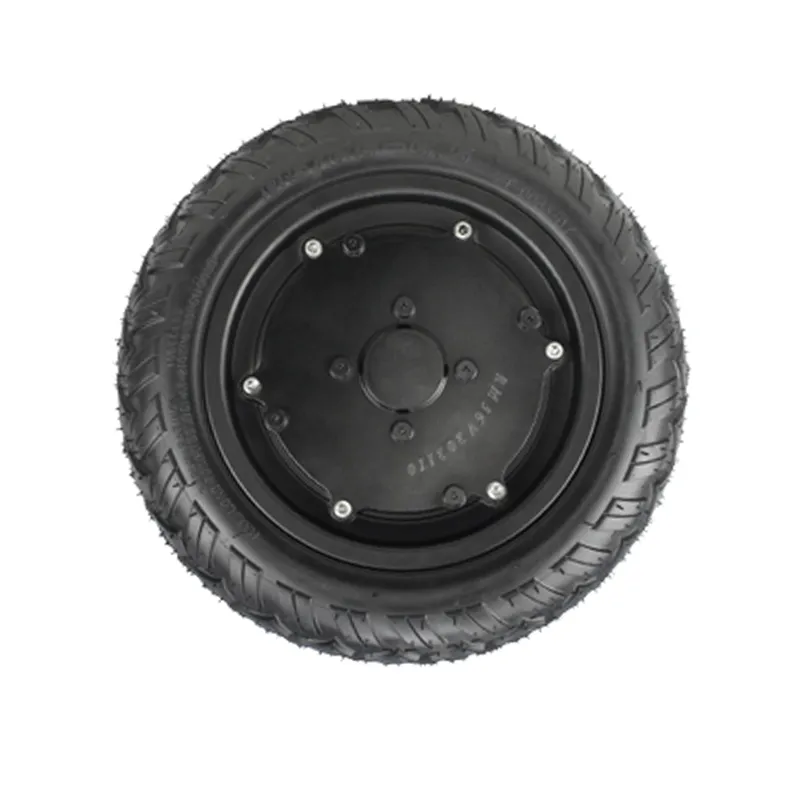
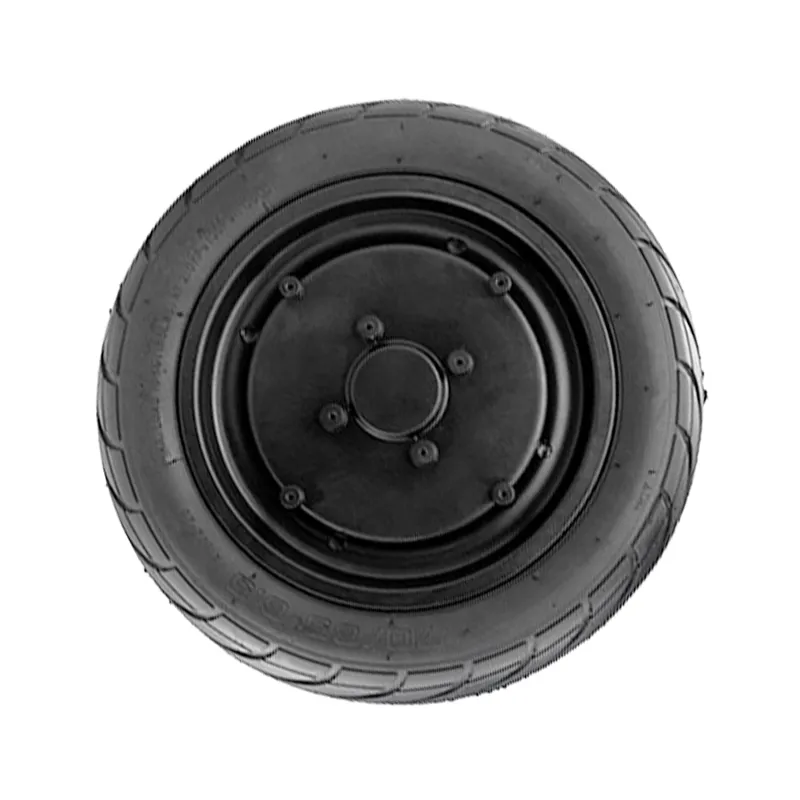
Shenzhen Jinhaixin Holdings Co., Ltd focuses on low-voltage three-electric system design, R&D, customization, manufacturing, and supply—covering brushless hub motors, drive controllers, and energy battery packs. This page explains typical misconceptions and offers a practical checklist to reduce customization and procurement risk through parameter matching, environment checks, duty-cycle validation, and mass-production acceptance.
Key Takeaway
Motor power alone is not a reliable indicator of system performance. Stability depends on motor–controller parameter matching, battery operating environment, and full duty-cycle validation on the complete machine.
Why “More Motor Power” Can Destabilize Performance
Mismatch at the system level
Motor power ratings do not automatically align with controller limits, battery discharge capability, wiring losses, and thermal constraints. A stronger motor can expose weaknesses elsewhere, causing performance fluctuations under load.
Duty cycle is the real test
Short bench tests can look fine, but real driving includes starts/stops, climbs, heavy payloads, and sustained cruising. Without full duty-cycle verification, instability can appear only after integration.
Environment changes everything
Battery and controller behavior varies with temperature, ventilation, vibration, and water/dust exposure. Ignoring operating environment can lead to voltage sag, thermal derating, or protective cutoffs.
Common Pitfalls in Low-Voltage E-Powertrain Customization & Sourcing
-
Choosing by motor power first, while leaving controller current limits, thermal capacity, and battery discharge constraints for later.
-
Overlooking motor–controller parameter compatibility (control strategy, speed–torque behavior, protection logic alignment) and expecting tuning to “fix everything.”
-
Underestimating battery operating environment (temperature window, ventilation, mounting space), which can impact usable capacity and stability under peak demand.
-
Testing only partial assemblies (motor + controller on a bench) without validating the full machine across representative duty cycles.
-
Skipping acceptance criteria for mass production, resulting in inconsistent performance between pilot samples and batch deliveries.
A Practical Risk-Control Checklist (From Requirements to Mass Production)
Use the checklist below to structure customization and procurement decisions. It is designed to support clear communication between vehicle OEMs, system integrators, and component suppliers.
| Stage |
What to Confirm |
Why it Matters |
| 1) Requirement Definition |
Vehicle load profile, target speed/gradeability, start-stop frequency, expected continuous vs peak operation, packaging constraints.
|
Ensures system sizing is based on real duty cycle rather than a single headline rating.
|
| 2) Parameter Matching |
Motor–controller matching, controller protection thresholds, wiring/connector capacity, thermal paths and heat dissipation assumptions.
|
Reduces instability such as sudden power limiting, abnormal heating, or protection-trigger events under load.
|
| 3) Environment Checks |
Operating temperature range, ventilation, vibration, water/dust exposure expectations; battery placement and cooling feasibility.
|
Avoids performance deviations caused by temperature-related battery sag, controller derating, or inadequate heat management.
|
| 4) Sample Testing |
Full-machine validation under representative duty cycles (including peaks and continuous runs), confirming stability and repeatability.
|
Catches issues that do not show up in bench tests—especially in transient and thermal-stress scenarios.
|
| 5) Mass-Production Acceptance |
Production acceptance criteria, consistency checks, and clear pass/fail methods for delivered batches.
|
Helps ensure the performance you validate in samples can be sustained across ongoing supply.
|
What Shenzhen Jinhaixin Typically Supports in Custom Projects
As an integrated manufacturer and supplier with production bases in Shenzhen, Dongguan, Changzhou, and Hainan, Shenzhen Jinhaixin Holdings Co., Ltd supports low-voltage e-powertrain customization across:
Brushless Hub Motors
- Selection aligned to vehicle load and duty cycle
- Focus on stable operating behavior, not just nameplate power
Drive Controllers
- Parameter matching with the motor and application scenario
- Protection logic and stability considerations during integration
Energy Battery Packs
- Operating environment and packaging constraints considered early
- Support for system-level stability needs during peak demand
Our working principle is to confirm requirements → match parameters → validate environment → test across duty cycles → define mass-production acceptance, so that customization decisions are made on the complete low-voltage e-powertrain rather than a single component rating.
When This Guidance Is Most Useful
OEM / Brand Owners
You need a stable, repeatable low-voltage e-powertrain solution for production, and want to reduce integration surprises.
System Integrators
You are combining motor, controller, and battery from different sources and need clear matching and validation steps.
Procurement & Engineering Teams
You want supplier discussions grounded in measurable acceptance criteria and full duty-cycle test expectations.
Next Step: Align Your System Before You Upsize Power
If your current decision process still centers on motor power first, consider reframing it around system matching and duty-cycle validation. Shenzhen Jinhaixin Holdings Co., Ltd can support structured communication from requirement confirmation and sample testing to mass-production acceptance—helping you reduce low-voltage e-powertrain customization and sourcing risks.




.png?x-oss-process=image/resize,h_800,m_lfit/format,webp)