A Practical Guide to Customizing Low-Voltage E-Powertrain Systems for B2B Projects
Shenzhen Jinhaixin Holdings Co., Ltd shares a B2B guide to customizing low-voltage e-powertrain systems—from requirement definition and application confirmation to parameter matching, solution validation, and delivery—covering how hub motors, drive controllers, and battery packs work together for evaluation and procurement decisions.

Customizing a low-voltage e-powertrain system is not a “pick a motor and go” decision. For B2B projects, reliability and performance depend on how the brushless hub motor, drive controller, and energy battery pack are engineered as one coordinated system—matched by parameters, validated under the right application scenario, and delivered with stable manufacturing control.
Shenzhen Jinhaixin Holdings Co., Ltd focuses on low-voltage e-powertrain design, R&D, customization, manufacturing, and sales. With operations headquartered in Shenzhen and production bases across Shenzhen, Dongguan, Changzhou, and Hainan, we support B2B customers with practical engineering alignment and a quality-managed delivery process.
What “Low-Voltage E-Powertrain Customization” Means
A structured B2B engineering process to define requirements, confirm the application scenario, match core parameters across motor/controller/battery, validate the solution, and proceed to manufacturing and delivery—without over- or under-specifying the system.
Core System Modules Covered
- Brushless hub motor (torque/speed/thermal/load fit)
- Drive controller (current control, protection, logic compatibility)
- Energy battery pack (voltage window, discharge capability, safety)
A Step-by-Step Customization Workflow for B2B Projects
Step 1 — Requirement Definition (What success looks like)
- Target performance: speed range, acceleration/gradeability expectations, duty cycle
- Operating constraints: allowable system size/weight, environmental exposure, thermal limits
- Project constraints: cost target, timeline, supply chain and compliance requirements (as applicable)
Step 2 — Application Scenario Confirmation (Where it will be used)
Confirm the application and operating profile early, because it determines the correct motor type, controller strategy, and battery discharge design. Typical confirmations include load conditions, usage duration per cycle, start/stop frequency, and expected peak vs. continuous operation.
Step 3 — Parameter Matching Across Motor, Controller & Battery
Matching is the core of low-voltage e-powertrain customization. The goal is stable system behavior under both peak and continuous loads, while keeping safety margins and efficiency in view.
| Module |
Key Parameters to Align |
Why It Matters in a System |
| Hub Motor |
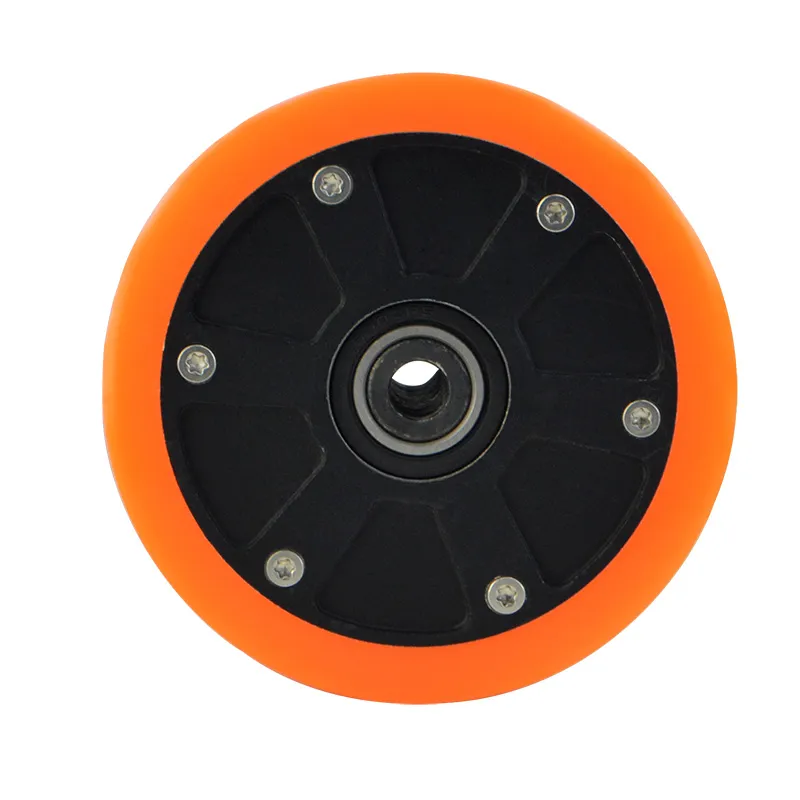
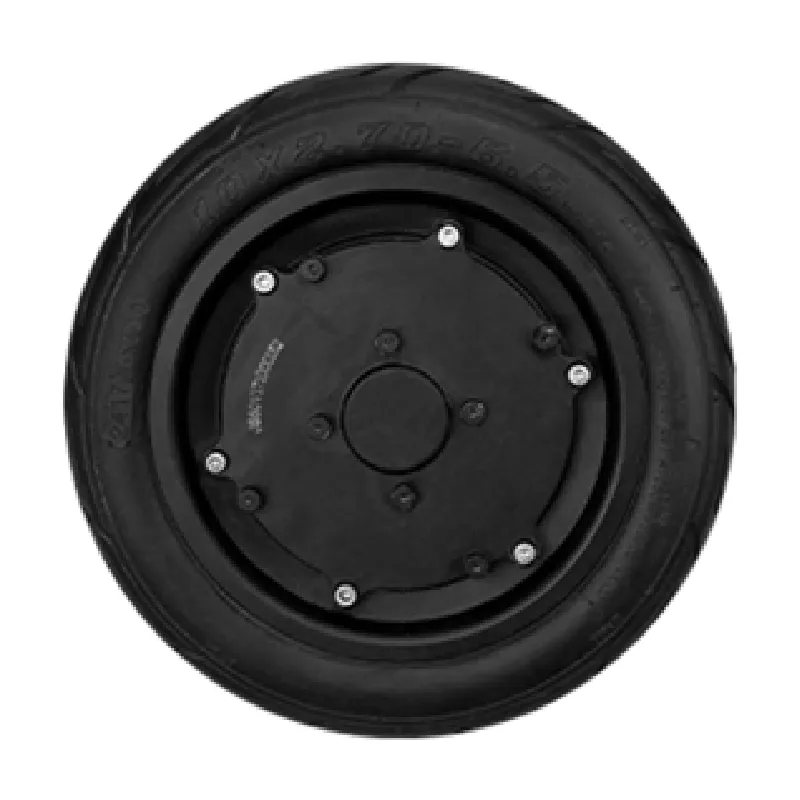
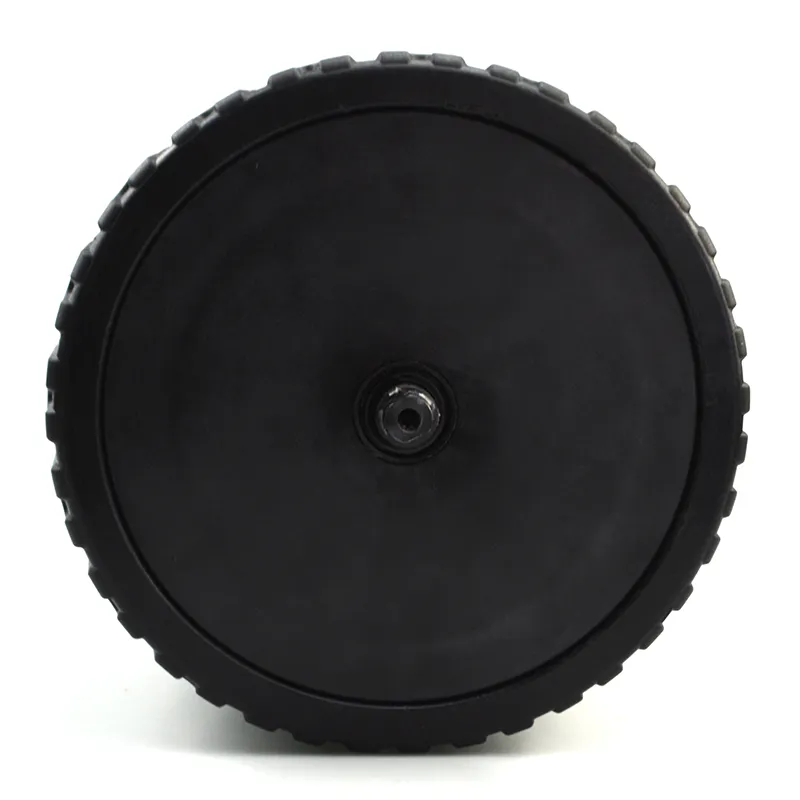
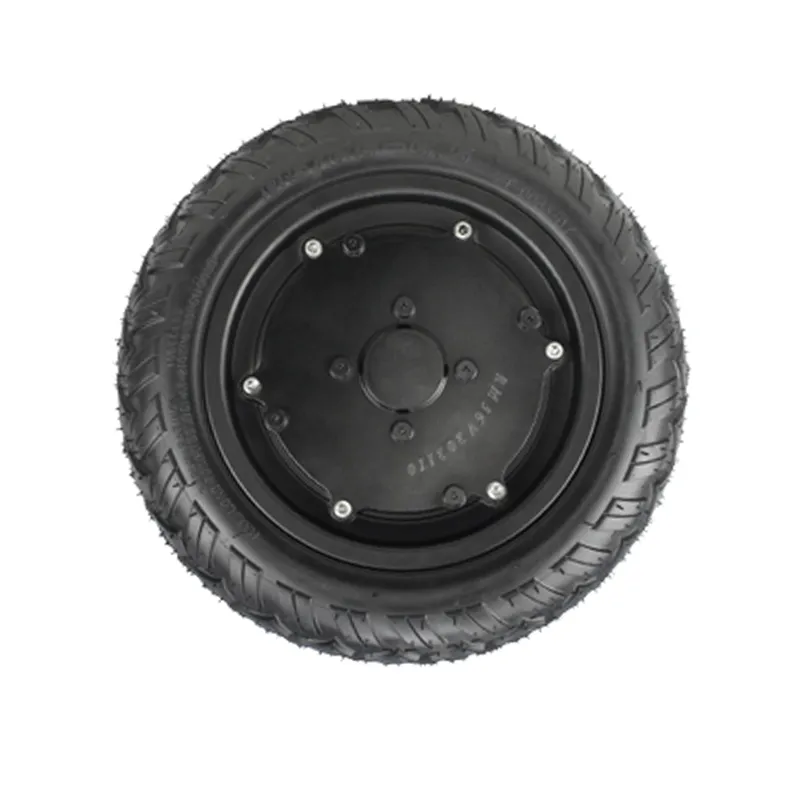
Rated/peak power, torque-speed curve, winding selection, thermal behavior |
Defines the mechanical output and heat profile; drives controller current needs and battery discharge expectations. |
| Drive Controller |
Voltage range, continuous/peak current, control algorithm needs, protection logic |
Must support motor requirements safely; improper current limits or protection thresholds can cause weak output, overheating, or fault trips. |
| Battery Pack |
Nominal voltage & voltage window, max discharge capability, capacity, BMS protection |
Provides the energy and current headroom; insufficient discharge capability can cap performance and reduce stability under peak load. |
Parameter matching is not only “electrical compatibility.” It is a coordinated engineering decision balancing output, heat, protection behavior, and expected duty cycle.
Step 4 — Solution Validation (Prove the match before scaling)
- Check function and protection behavior: startup, braking/regen logic (if applicable), fault handling
- Check stability under expected load: peak current events, continuous operation, thermal trend
- Confirm integration: wiring/connectors, control interfaces, mechanical fitment, packaging constraints
Step 5 — Manufacturing & Delivery (Consistency for B2B procurement)
Once the solution is confirmed, the focus shifts to controlled production and stable delivery. Jinhaixin supports this with an efficient operations mechanism and a quality management approach aligned to repeatable output—important for ongoing procurement and multi-batch supply.
How to Evaluate a Matched System (A Buyer’s Checklist)
Engineering Fit
- Is the motor torque-speed capability aligned with real load and speed targets?
- Do controller limits and protections match the motor and battery behavior?
- Is the battery discharge capability sufficient for peak and continuous demand?
Integration Practicality
- Mechanical envelope and mounting feasibility for the hub motor
- Harnessing, connectors, and interface clarity for controller integration
- Battery pack packaging, serviceability, and safety design considerations
Procurement Readiness
- Clear specification & version control for repeat orders
- Validation and acceptance criteria agreed before mass delivery
- Manufacturing consistency supported by quality management processes
Why Work with Shenzhen Jinhaixin Holdings Co., Ltd
We are a trade-and-manufacturing integrated company dedicated to low-voltage e-powertrain systems. Our offering centers on three foundational components—brushless hub motors, drive controllers, and energy battery packs—and the engineering work needed to match them into a stable, purchasable system for B2B applications.
- Customization capability: parameter-oriented configuration to align system behavior with project requirements
- Multi-site production support: manufacturing bases in Shenzhen, Dongguan, Changzhou, and Hainan
- Quality and operational discipline: focus on stable reliability through quality management and efficient operations
Start Your Customization Discussion
For an efficient evaluation, prepare your target application scenario, performance expectations, installation constraints, and any interface requirements. Jinhaixin will align motor, controller, and battery parameters as a coordinated low-voltage e-powertrain system—then support solution validation and delivery for your B2B project.






.png?x-oss-process=image/resize,m_fill,h_800,w_800/format,webp)