In machinery applications, low-voltage electrification is no longer just “replace the engine with a motor.” The real differentiator is how well the low-voltage e-powertrain (three-electric system: motor, controller, and battery pack) is selected, matched, and validated against the machine’s duty cycle, load profile, space constraints, and stability expectations. This is why customization is becoming increasingly essential.
Perspective from Shenzhen Jinhaixin Holdings Co., Ltd: as a B2B manufacturer specializing in low-voltage three-electric system design, R&D, customization, production, and sales, we often see that the difference between a “working prototype” and a “stable production solution” is largely determined by requirement definition and system-level matching—not by a single component’s nameplate specs.
In low-voltage e-powertrain customization, the goal is not to make everything “unique.” The goal is to confirm the correct boundaries (power, torque, voltage, current, thermal, protection, communication, packaging) and then match the three-electric system so the machine behaves as intended.
| Matching topic | What needs to be clarified for machinery | Why it matters |
|---|---|---|
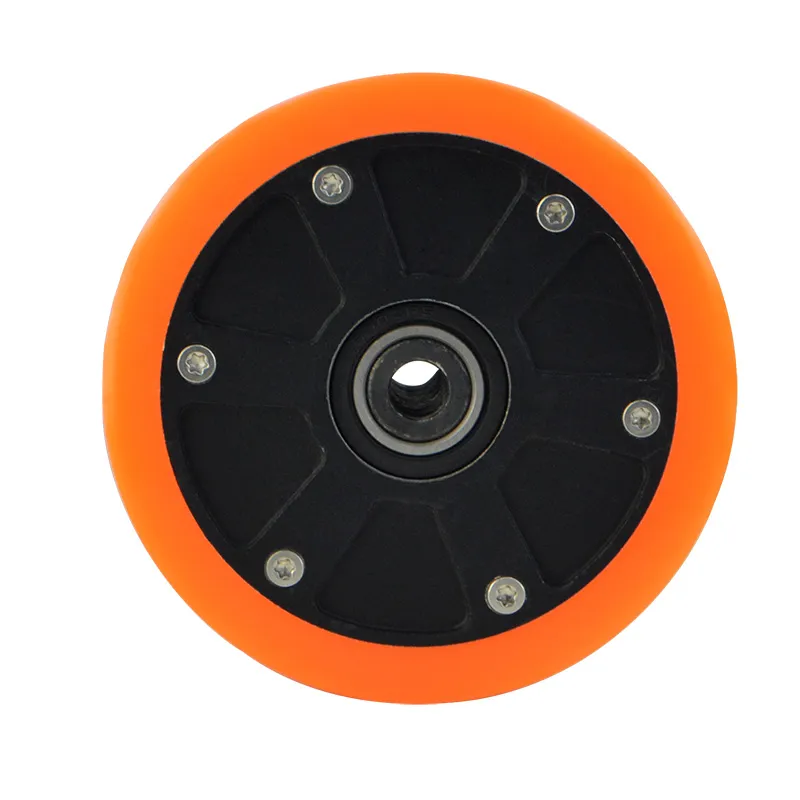
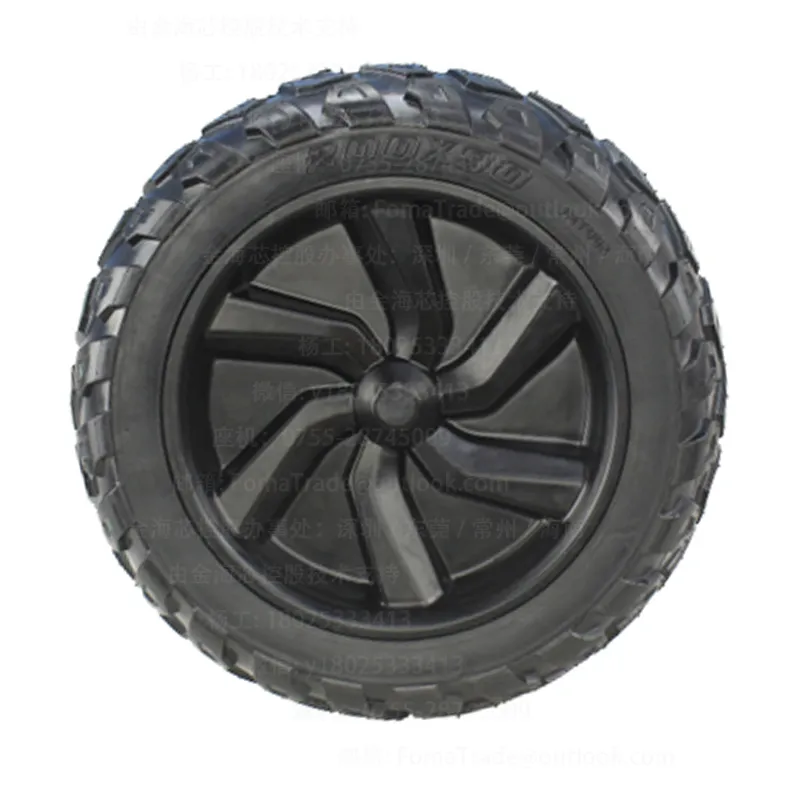
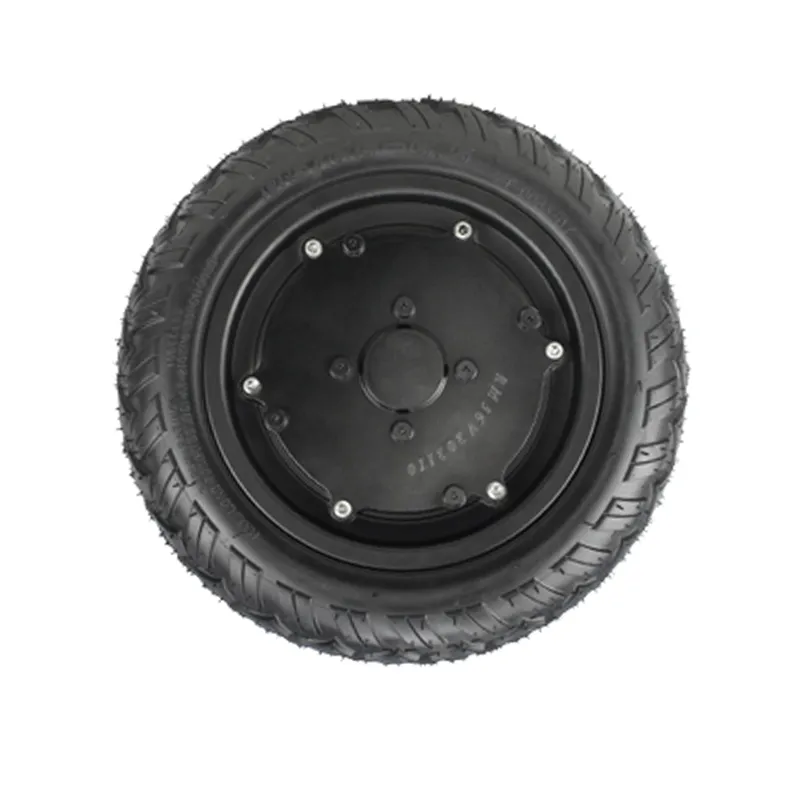
| Motor (e.g., BLDC hub motor) | Target speed range, continuous vs peak torque, load inertia, mounting constraints | Avoids under-torque at low speed, excessive heating, or unstable torque response |
| Controller (drive) | Current limits, control mode, protection strategy, signal I/O, harness & connectors | Prevents frequent fault protection, improves controllability and consistent behavior |
| Battery pack (energy battery group) | Voltage platform, capacity target, discharge capability, BMS logic, packaging | Supports actual current draw, improves stability, and avoids “capacity is enough but power is not” |
| System integration | Thermal path, regen strategy, EMC considerations, mechanical/electrical interfaces | Reduces integration risk and makes performance repeatable across batches |
Practical takeaway: for machinery equipment, “matching” is often more important than “max specs.” A stable system is usually defined by the right limits and protection logic as much as by peak power.
“Stable” can mean different things to different OEM and engineering teams. In requirement discussions, we recommend aligning on the following aspects early so that validation is objective and repeatable.
A common concern is that customization always leads to a prolonged delivery cycle. In practice, lead time is mostly driven by how quickly the project can freeze requirements and how many iterations are needed for integration and validation.
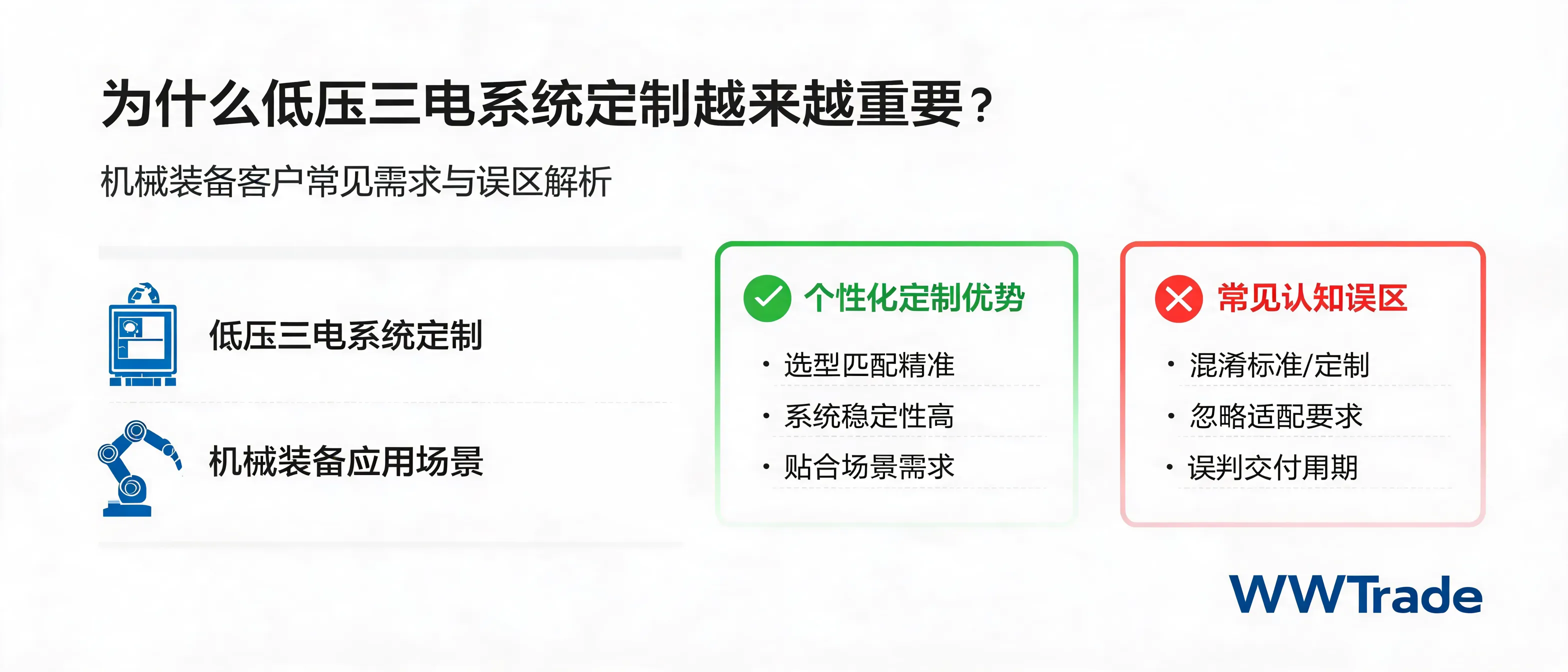
In machinery, even if voltage looks compatible, differences in current capability, protection logic, connectors, and thermal limits can cause frequent faults or inconsistent behavior. System-level matching is required to ensure the three-electric components work as one.
Over-sizing can increase cost, packaging difficulty, and thermal management burden, and may reduce controllability at low speed. The better approach is to define the real duty cycle and design for stable continuous performance with appropriate peaks.
Delays usually come from unclear requirements and repeated integration changes. When interfaces and acceptance criteria are confirmed early, customization can proceed in a controlled, engineering-driven cadence.
Shenzhen Jinhaixin Holdings Co., Ltd provides a low-voltage three-electric product portfolio for machinery-related electrification needs, including brushless hub motors, drive controllers, and energy battery groups, with engineering-focused customization to support requirement confirmation and system matching.
If your machinery project requires clearer selection and matching of motor, controller, and battery—and you want to align stability expectations and delivery-cycle constraints early—Shenzhen Jinhaixin can support structured requirement confirmation and three-electric customization for low-voltage e-powertrains.