Home > News > Low-Voltage E-Powertrain Custom Development Process: From Requirements to Mass Delivery | Shenzhen Jinhaixin Holdings Co., Ltd

End-to-End Workflow for Custom Low-Voltage E-Powertrain (Three-Electric) Systems

2026-07-31
Shenzhen Jinhaixin Holdings Co., Ltd outlines the end-to-end process for low-voltage e-powertrain (three-electric) system customization—from requirements confirmation and application condition review to solution design, prototype validation, manufacturing, quality inspection, and mass delivery—helping B2B teams collaborate with clearer milestones and deliverables.

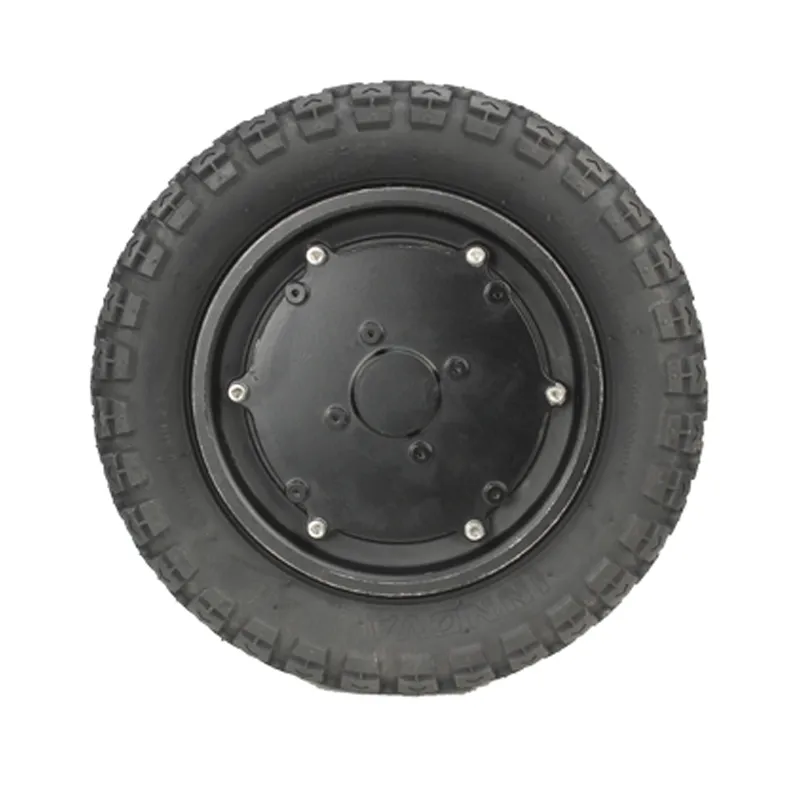
Shenzhen Jinhaixin Holdings Co., Ltd provides B2B customers with custom development for low-voltage e-powertrain (three-electric) systems—typically coordinated across BLDC hub motors, motor controllers, and battery packs.

This page clarifies the end-to-end workflow—from requirements alignment to manufacturing readiness and mass delivery—so OEM/ODM teams can collaborate with clear milestones, deliverables, and acceptance criteria.

Best for B2B teams who need:

  • Coordinated customization across motor + controller + battery pack
  • A structured process with checkpoints (prototype, validation, QC, delivery)
  • Clear responsibility boundaries and documentation outputs
  • Faster alignment on interfaces, performance targets, and test plans

Workflow Overview (From Requirements to Mass Delivery)

Custom low-voltage e-powertrain projects succeed when requirements, application conditions, and verification methods are aligned early. Below is the structured workflow Shenzhen Jinhaixin Holdings Co., Ltd uses to support engineering collaboration and scalable manufacturing.

  1. Requirements confirmation
    Goal: establish a shared understanding of performance targets, constraints, schedule, and acceptance scope.
  2. Application condition review
    Goal: confirm real-world use conditions that drive design choices (environment, duty cycle, load, installation, compliance needs).
  3. Solution design (three-electric system level)
    Goal: co-design motor, controller, and battery pack parameters, interfaces, and protection strategies as a compatible set.
  4. Prototype / sample build
    Goal: produce samples for fit, interface verification, and early functional checks.
  5. Prototype validation & iteration
    Goal: run an agreed test plan, capture gaps, and update design/specs until targets are met within agreed tolerance.
  6. Manufacturing readiness
    Goal: confirm build consistency and prepare for stable output (process controls, key parts, work instructions).
  7. Quality inspection checkpoints
    Goal: ensure incoming, in-process, and final inspections align with critical-to-quality items and shipment criteria.
  8. Mass delivery & acceptance
    Goal: deliver production units with traceable records and acceptance criteria agreed by both parties.

Key Deliverables (What B2B teams should expect)

To reduce ambiguity and rework, each phase produces practical deliverables that both engineering and sourcing teams can review.

Phase Typical outputs How it helps collaboration
Requirements confirmation Requirement checklist; target performance & constraints; timeline & responsibilities Prevents scope drift and misinterpretation of “must-have” vs “nice-to-have”
Application condition review Use-case profile (load/duty/environment); installation boundaries; interface mapping Ensures the design matches the actual operating scenario—not assumptions
Solution design System architecture; interface definitions; protection strategy & parameter alignment Improves compatibility among hub motor, controller, and battery pack
Prototype validation Prototype test plan; test records; issue list & iteration actions Creates an evidence-based path to meet targets before scaling
Manufacturing & QC Manufacturing readiness checklist; QC checkpoints; delivery acceptance criteria Supports consistent output and reduces batch-to-batch variation risk

What We Review During Requirements Alignment

For low-voltage three-electric customization, requirements should be complete enough for engineering estimation and cross-component coordination. Typical items include:

System-level targets

  • Target performance and operating modes
  • Reliability and protection expectations
  • Interfaces and integration boundaries

Application conditions

  • Typical workload profile and duty cycle
  • Environment and installation constraints
  • Shipping, storage, and service expectations

Project coordination

  • Milestones (prototype, validation, mass delivery)
  • Documentation & change-control expectations
  • Acceptance criteria and inspection checkpoints
A clear requirement checklist plus a confirmed application-condition profile typically reduces iteration loops during prototype validation and improves manufacturing readiness.

Co-Design at the Three-Electric Level (Motor + Controller + Battery Pack)

Low-voltage e-powertrain performance depends on component compatibility. During solution design, we focus on aligning interfaces and targets across the three-electric stack to support stable system behavior and predictable test outcomes.

BLDC hub motor

Mechanical fit and integration boundaries; compatibility with controller strategy; considerations relevant to the target application conditions.

Drive controller

Interface definitions and control expectations; protection logic alignment; validation planning for stable operation during testing.

Energy battery pack

Pack integration and system-level constraints; safety and protection coordination; production readiness considerations for consistent delivery.

Prototype Validation: How We Keep Testing Actionable

Prototype validation is treated as a jointly agreed engineering activity. Instead of relying on vague “pass/fail” language, we recommend defining test items, test conditions, and acceptance criteria before samples are built.

  • Prototype test plan: test items, conditions, required instruments/fixtures, and record format
  • Issue tracking & iteration: documented gaps, root-cause discussion, and revision actions
  • Design freeze triggers: agreed conditions to move from prototype to manufacturing readiness

Manufacturing Readiness, QC Checkpoints & Mass Delivery

Moving to mass delivery requires more than a successful prototype. We align manufacturing readiness and quality inspection checkpoints to support stable output across batches and clear shipment acceptance.

Manufacturing readiness

  • Process confirmation aligned with the validated design
  • Key part controls and build consistency focus
  • Documentation alignment for repeatability

Quality inspection checkpoints

  • Incoming inspection for critical materials/components
  • In-process inspection for key build steps
  • Final inspection aligned with delivery acceptance

Delivery & acceptance

  • Agreed acceptance criteria and required records
  • Shipment packaging and identification needs
  • Support for ongoing collaboration after delivery

How to Start a Custom Project with Shenzhen Jinhaixin

If you are sourcing a coordinated low-voltage three-electric solution (hub motor, controller, and battery pack), the most efficient starting point is a structured requirements package. We will align on milestones and confirm deliverables before prototype sampling.

Recommended inputs from your team

  • Target application conditions and constraints
  • Interface expectations and integration boundaries
  • Prototype validation plan preferences and acceptance criteria

What you can expect from us

  • Milestone-based workflow and documentation outputs
  • Cross-component coordination for three-electric compatibility
  • Manufacturing & QC checkpoints aligned to mass delivery needs

Note: The exact scope, specifications, and validation items depend on your application and compliance requirements. We avoid overpromising and confirm feasibility through requirements review and prototype validation.

About Shenzhen Jinhaixin Holdings Co., Ltd

We are an industry-focused manufacturer and solution provider specializing in low-voltage three-electric system design, R&D, customization, production, and sales. With operations headquartered in Shenzhen and manufacturing bases in Shenzhen, Dongguan, Changzhou, and Hainan, we support B2B customers with coordinated development across BLDC hub motors, drive controllers, and energy battery packs.

Collaboration principle

Customer-centered execution with clear milestones, controlled changes, and quality management—so your engineering and sourcing teams can move from requirements to mass delivery with fewer ambiguities.

Name *
Email *
Message*
Recommended Products