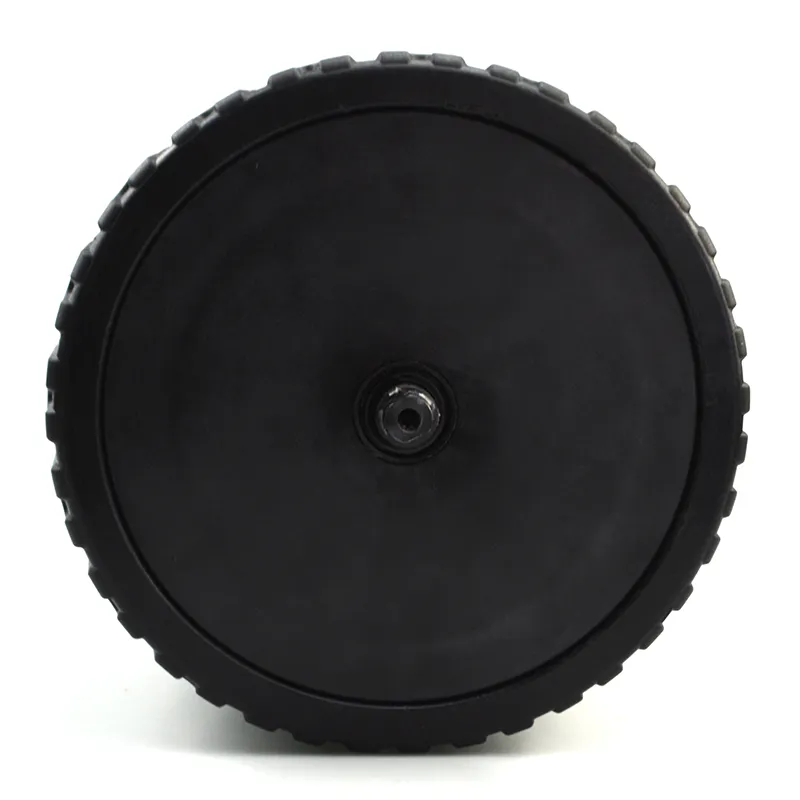
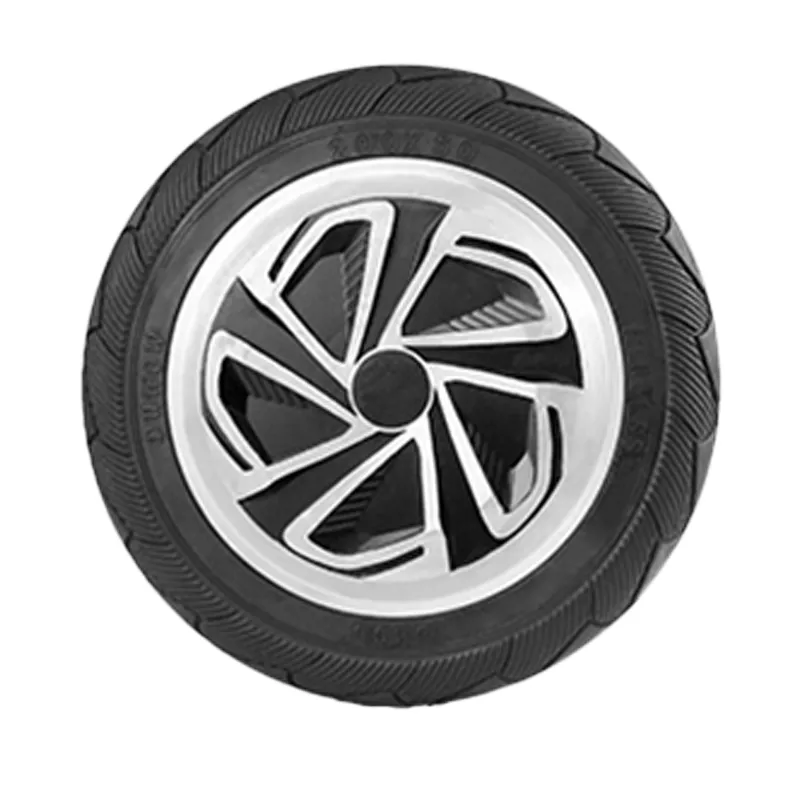
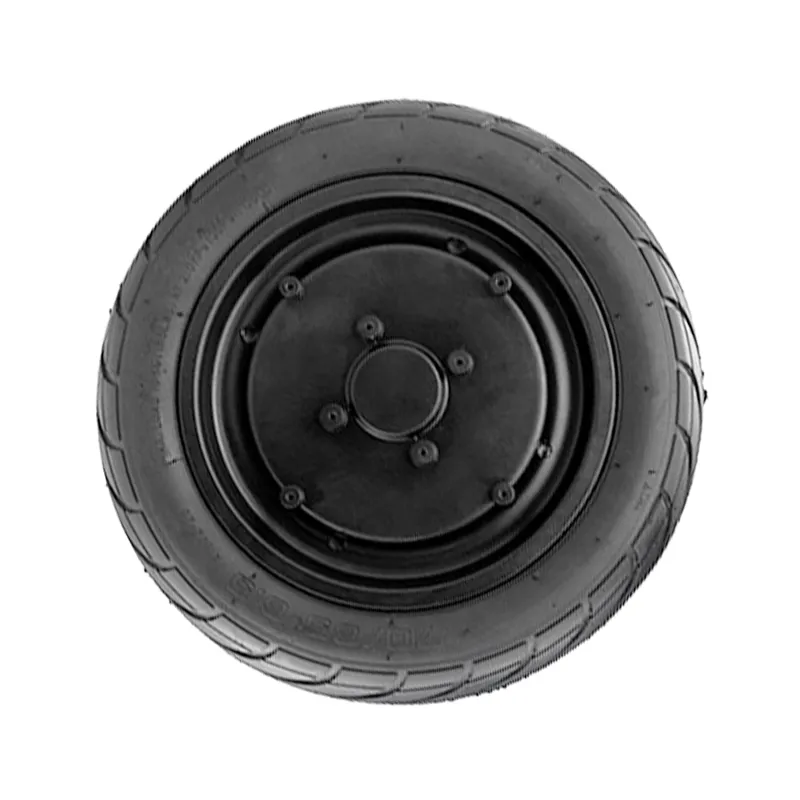
For B2B OEM/ODM projects, a low-voltage e-drive (three-electric) system is only as reliable as the development workflow behind it. Shenzhen Jinhaixin Holdings Co., Ltd (深圳金海芯控股有限公司) provides an end-to-end custom development process that connects requirement clarification, hub motor & controller matching, and battery pack configuration with clear review gates—so both engineering and purchasing teams can move from concept to mass delivery with controlled risk.
Page focus: Low-voltage e-drive system custom development workflow (hub motor + drive controller + battery pack).
Best for: Buyers who need clear inputs, checkpoints, and communication points before sample approval and mass production.
The first step is aligning on the operating scenario and integration constraints. This reduces rework later and helps engineering determine feasible combinations of motor, controller, and battery pack.
A shared requirement baseline used for parameter confirmation and system matching—so technical communication stays consistent across stakeholders.
After clarifying the scenario, Jinhaixin confirms key system parameters to ensure the e-drive stack is designed as one coordinated set, not three separate parts.
| Parameter area | What is confirmed | Why it matters |
|---|---|---|
| System voltage level | Low-voltage platform definition and allowable range | Directly impacts controller selection and battery pack design window |
| Power & torque targets | Output targets under expected load profiles | Ensures hub motor sizing and thermal strategy are aligned |
| Control and response expectations | Drive feel, startup, braking/regen expectations (as applicable) | Guides controller tuning direction and matching assumptions |
| Battery capacity & packaging constraints | Energy target, space boundary, and interface needs | Prevents mismatches between endurance goals and mechanical realities |
Note: Actual parameter values are confirmed project-by-project based on buyer inputs and system constraints.
Matching a brushless hub motor with a drive controller requires more than nominal power alignment. Jinhaixin evaluates compatibility at the system level to support stable operation and predictable performance during validation.
To keep the project moving, we define who confirms what at each gate:
The battery pack is configured to support the low-voltage e-drive system’s operating window and the project’s packaging and endurance expectations. Configuration decisions are reviewed alongside motor and controller matching to avoid downstream incompatibilities.
Once the system configuration is aligned, prototypes or samples are built for validation. The goal is to verify the integrated behavior of hub motor, controller, and battery pack under agreed test items before scaling.
If test results indicate adjustments, requirements and parameters are re-confirmed before moving to the next gate—helping prevent cost and schedule surprises later.
Prior to mass production, Jinhaixin conducts a quality confirmation step to align product requirements, inspection expectations, and acceptance criteria. This gate supports consistent delivery and reduces risk during ramp-up.
With the system signed off, projects move into mass production and delivery. As a manufacturing-and-trade integrated company with production bases in Shenzhen, Dongguan, Changzhou, and Hainan, Shenzhen Jinhaixin Holdings Co., Ltd supports coordinated manufacturing execution and delivery communication for B2B supply chains.
If you are evaluating a customized brushless hub motor, drive controller, and energy battery pack solution, the most effective starting point is a structured requirement package and a defined acceptance gate for sampling. This enables faster parameter confirmation and clearer matching decisions.
Jinhaixin’s workflow is designed to keep engineering, quality, and procurement aligned—from requirement clarification to sample validation and mass delivery—without overstating results or skipping critical checkpoints.