Why Low-Voltage 3-Electric Systems Run Unstable: Overlooked Factors in B2B Selection
Shenzhen Jinhaixin Holdings Co., Ltd explains why low-voltage 3-electric systems often face stability issues in real applications, highlighting overlooked selection factors such as system matching, thermal management, and consistency—beyond single-component specs.

In real deployments, a low-voltage 3-electric system (motor–controller–battery) can show “unstable” behavior even when each component looks compliant on paper. Typical symptoms include intermittent power loss, controller faults, abnormal heating, inconsistent range, torque ripple, and unpredictable cutoffs under load.
This page explains the common stability issues and—more importantly—the B2B selection blind spots behind them. Shenzhen Jinhaixin Holdings Co., Ltd (深圳金海芯控股有限公司) works with customers on system-level matching, thermal management, and consistency across production batches—beyond isolated single-component specifications.
What “Instability” Usually Means in Low-Voltage 3-Electric Systems
Electrical / Control Symptoms
- Random controller protection triggers (overcurrent/undervoltage/overtemperature)
- Jerky acceleration, torque ripple, speed hunting
- Communication dropouts (BMS–controller or throttle signals)
- No-start or intermittent start after high-load events
Thermal / Mechanical Symptoms
- Hot motor windings or controller MOSFET area under typical duty cycles
- Thermal derating that feels like “power fading”
- Abnormal noise/vibration due to mismatch or control tuning
- Inconsistent range caused by heat and efficiency drift
These outcomes are often misattributed to “a bad motor” or “a weak controller,” while the root cause is frequently system-level compatibility under real operating conditions.
Selection Blind Spot #1: Judging by Single-Component Specs, Not System Matching
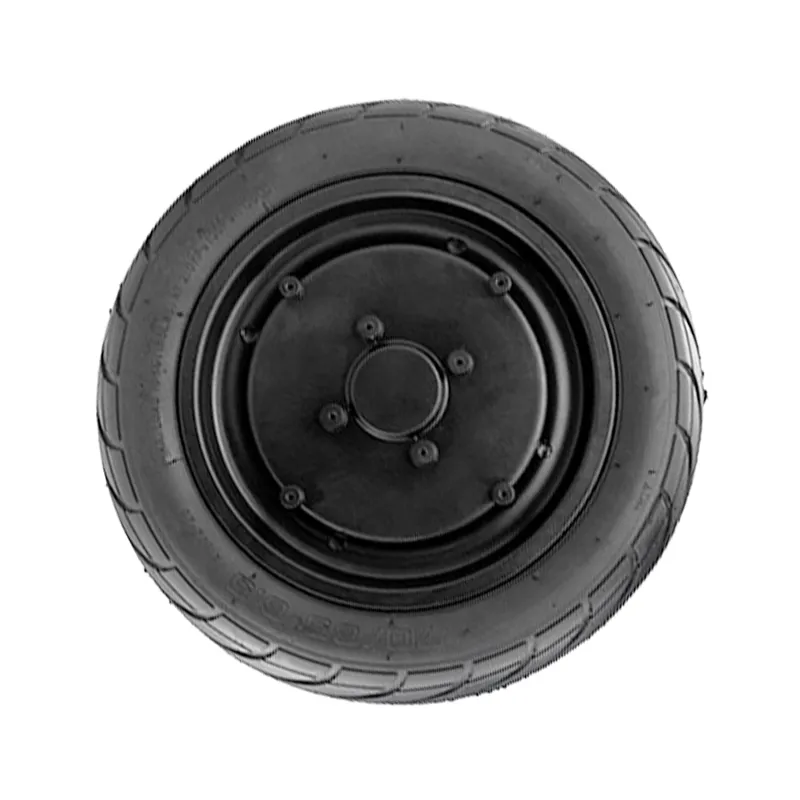
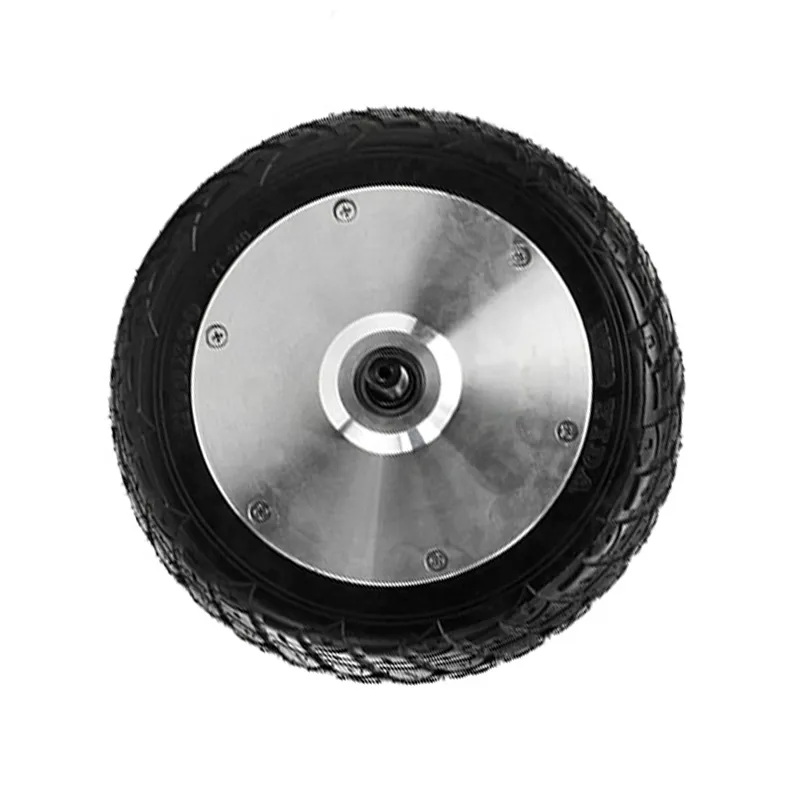
A low-voltage 3-electric system is an integrated set. Stability depends on whether the hub motor, drive controller, and battery pack/BMS are matched in voltage window, current capability, control parameters, and protection logic. When selection focuses only on catalog ratings, hidden mismatches appear during load transitions, hill climbs, stop-and-go cycles, or cold/heat extremes.
Where matching typically breaks down
- Voltage window alignment: battery sag under load vs controller undervoltage thresholds
- Peak current coordination: controller peak demand vs battery/BMS discharge limits
- Motor parameters & tuning: motor constants/sensor type must match controller algorithms and calibration
- Protection strategy consistency: BMS and controller protections should coordinate, not “fight” each other
| Buyer checks |
Common oversight |
How it shows up in operation |
| Motor rated power / controller rated current |
Ignoring transient peaks, acceleration load steps, and battery sag |
Cutoffs, fault codes, “weak” response at high load |
| Battery capacity (Ah) and nominal voltage |
Not verifying discharge capability and BMS thresholds under real duty cycles |
Undervoltage trips, range inconsistency, heating |
| Controller feature list |
Assuming features work the same across motor types/sensors without system test |
Torque ripple, noise, intermittent start, poor controllability |
Selection Blind Spot #2: Thermal Management Is a System Problem, Not a Single Part Problem
Many stability issues are triggered by heat accumulation rather than instantaneous electrical limits. In low-voltage systems, high current is common to meet torque requirements, which amplifies I²R losses in wiring, connectors, controller power stage, and motor windings. If thermal paths and airflow assumptions are not aligned with the real duty cycle, protection triggers become frequent and performance becomes inconsistent.
Common thermal blind spots
- Mounting and enclosure constraints limiting controller heat dissipation
- Cable/connector heating causing voltage drop and intermittent faults
- Motor heat saturation in stop-and-go or long climbs
- Ambient temperature variation not considered in protection thresholds
Practical evaluation questions (B2B)
- What is the target duty cycle (load, gradient, speed profile, stop frequency)?
- Where are the hottest points in the assembly (controller, harness, motor, pack)?
- How does the system behave after heat soak, not only at cold start?
- Are derating and protections coordinated to avoid abrupt cutoffs?
Thermal stability is often the difference between “meets spec in the lab” and “runs reliably in the field.” System selection should include thermal assumptions as first-class criteria.
Selection Blind Spot #3: Consistency Across Batches Drives Real Reliability
Even with correct system matching and good thermal design, instability can reappear when consistency is not controlled across production. Small parameter variations—motor winding resistance, sensor signals, controller calibration, battery internal resistance, BMS thresholds—can shift the operating margin and trigger faults in only part of the fleet.
What to verify for consistency (examples)
Motor side
- Key electrical parameters staying within controlled tolerances
- Sensor type/phase alignment consistency for controller commutation
Controller side
- Firmware/configuration management and parameter lock practices
- Stable protection thresholds aligned with the battery/BMS strategy
Battery pack / BMS side
- Cell/pack grouping strategy and pack impedance variation control
- BMS cutoff and current limit consistency under dynamic load
Note: Specific tolerances and test items should be agreed based on your product architecture, safety requirements, and application duty cycle.
A System-Level Evaluation Approach for B2B Buyers
To reduce instability risk, evaluate the complete low-voltage 3-electric system as an integrated set. The goal is to confirm margins under real usage, not just compliance with individual datasheets.
-
Define the duty cycle clearly (load, speed profile, slope, ambient temperature, stop frequency, required endurance).
-
Confirm motor–controller–battery matching (voltage window, peak/continuous current capability, protection coordination).
-
Validate thermal behavior under heat soak (not only short tests): watch for derating patterns and nuisance trips.
-
Check consistency and change control for production supply: configuration, calibration, and pack build repeatability.
-
Plan integration details (harness, connectors, mounting, sealing) because these often determine stability in the field.
How Shenzhen Jinhaixin Supports Low-Voltage 3-Electric System Selection
Shenzhen Jinhaixin Holdings Co., Ltd is an integrated manufacturer focusing on low-voltage 3-electric system design, R&D, customization, production, and sales. We provide brushless hub motors, drive controllers, and energy battery packs, helping B2B customers evaluate stability from a system perspective.
What we can align with you
- System matching for motor–controller–battery based on your load profile
- Thermal considerations tied to your installation constraints
- Consistency expectations for ongoing production supply
Typical application fit
This system-level approach is especially valuable where operating conditions vary widely and stability matters—such as commercial fleets, utility platforms, or other industrial use cases that rely on low-voltage electric drive.
Application suitability depends on duty cycle and integration requirements; evaluation should be done against your actual operating scenario.
Selection takeaway
If you want to reduce common low-voltage 3-electric system stability issues, avoid deciding based on a single motor/controller/battery spec. Evaluate system matching and compatibility, thermal management under real duty cycles, and consistency and reliability across batches—as one integrated engineering topic.