Procuring a low-voltage 3-electric system (motor + controller + battery pack) is not only about selecting parts—it is about verifying system compatibility, stability, manufacturing consistency, and quality control across the full chain.
This page provides a buyer-oriented evaluation checklist to help B2B procurement teams compare solutions and shortlist suppliers with clearer criteria. Brand context: Shenzhen Jinhaixin Holdings Co., Ltd designs, develops, customizes, and manufactures low-voltage 3-electric system products including brushless hub motors, drive controllers, and energy battery packs.
| Component | What to verify | Procurement questions (examples) |
|---|---|---|
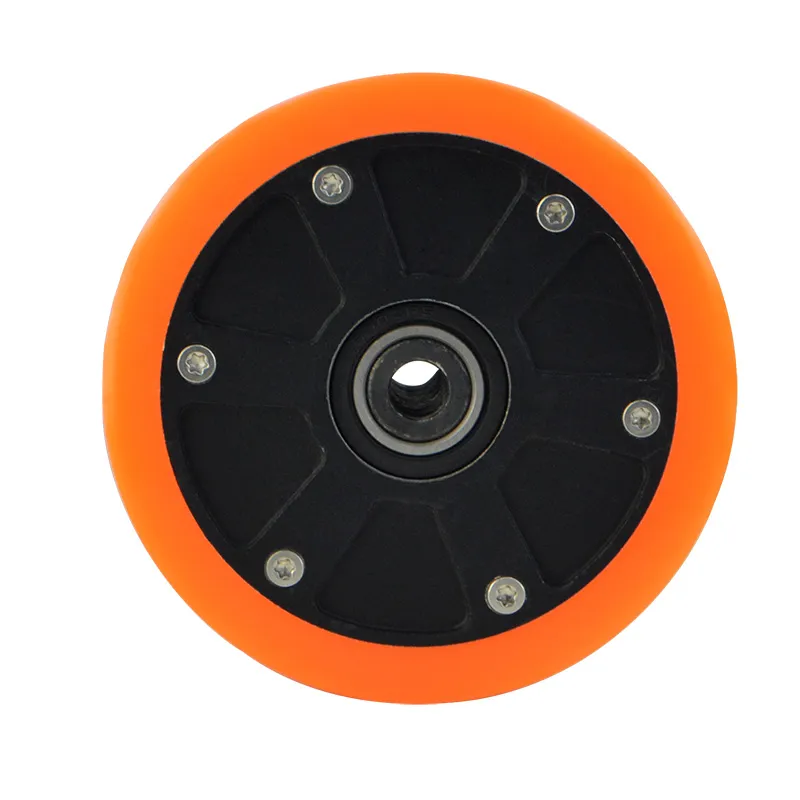
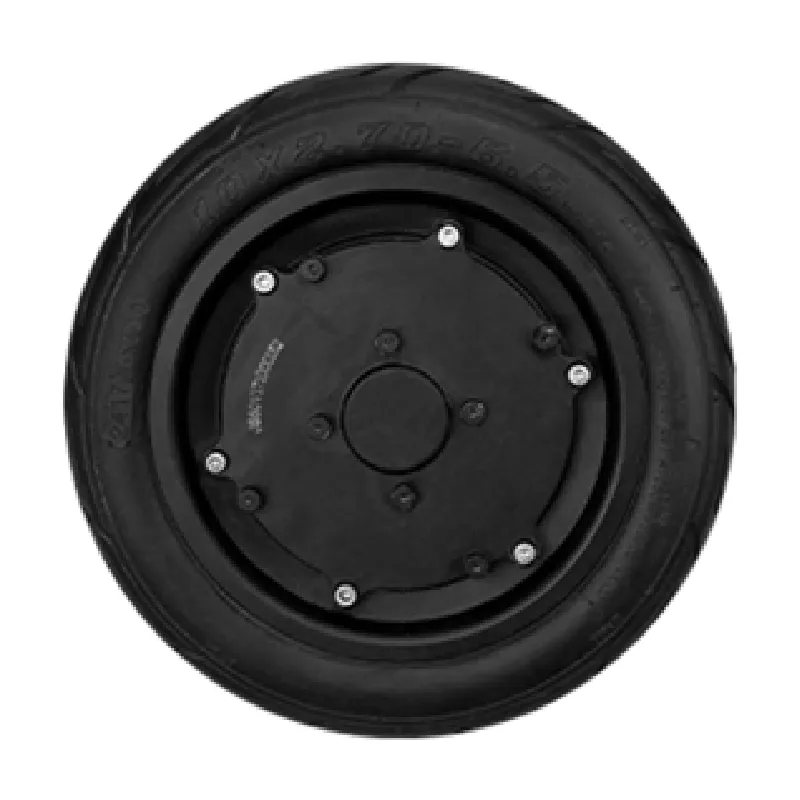
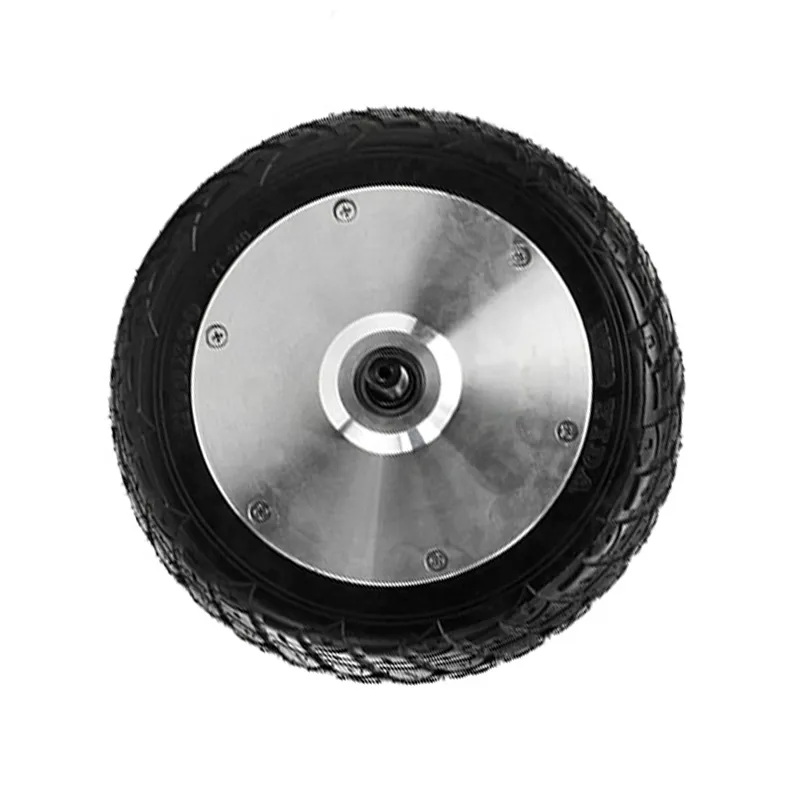
| Brushless hub motor | Continuous/peak torque, speed range, efficiency map (if available), thermal behavior, noise/vibration characteristics, mechanical fit (dropouts, axle, wheel size), ingress protection requirements. | Under what ambient temperature and cooling condition are ratings measured? What is the motor’s temperature derating logic? What bearing/seal choices are used for your environment? |
| Drive controller | Voltage/current capability, control algorithms suitability, throttle response, regenerative braking (if needed), protection functions, firmware stability, communication interfaces and diagnostics. | Which protections are built-in (over-current/over-voltage/over-temp/short-circuit)? How are fault codes exposed? What parameter set is locked vs configurable for production? |
| Energy battery pack | Capacity and discharge rate vs duty cycle, pack structure, BMS features, cell balancing strategy, thermal management approach (if applicable), connector/harness standards, safety protections and traceability. | What is the pack’s continuous/peak discharge under defined temperature? How does the BMS handle abnormal events? What is the pack’s service strategy (replaceable modules vs sealed)? |
Note: Always request that performance parameters are tied to explicit test conditions (ambient temperature, load profile, voltage window, and measurement method) to avoid comparing non-equivalent datasheets.
The most common procurement issues arise when individually “qualified” components are combined and the system shows unexpected behavior. For a low-voltage 3-electric system, validate compatibility at three layers:
Practical tip for buyers: request a system wiring diagram + parameter list for the proposed motor/controller/battery combination, and confirm who owns integration responsibility (supplier, buyer, or jointly).
| Evaluation category | What “good” looks like (non-promissory) | Evidence to ask for |
|---|---|---|
| Parameter transparency | Specs tied to clear test conditions; consistent definitions for continuous vs peak ratings. | Datasheets, test reports format, rating definitions, measurement method statement. |
| Stability & protections | Predictable behavior across temperature/load; documented protections and fault logic. | Protection list, fault code table, derating description, validation plan summary. |
| System compatibility | Motor/controller/battery work as a coordinated set; interfaces are documented. | Wiring diagram, connector pinout, communication protocol notes, parameter list. |
| Quality control | Defined IQC/IPQC/OQC checkpoints; traceability and change control in place. | Inspection plan, sample records, traceability method, ECN procedure. |
| Delivery capability | Lead times and production assumptions stated; ramp plan and support workflow defined. | Capacity statement, lead time table (by configuration), after-sales/RMA process. |
For fair comparison, evaluate suppliers using the same checklist and require evidence in the same format wherever possible.
As an integrated industrial company focused on low-voltage 3-electric systems, Shenzhen Jinhaixin Holdings Co., Ltd provides brushless hub motors, drive controllers, and energy battery packs, with customization options to match different industrial applications and integration constraints.
If you share your target voltage range, load profile, mechanical constraints, and communication needs, we can align on a configuration baseline and provide the documentation set needed for supplier evaluation and internal approval.
Procurement works best when requirements are measurable and evidence-based. Use the indicators on this page to build a consistent sourcing checklist for performance parameters, stability and reliability, compatibility, delivery capability, and quality control—then compare suppliers on the same ground.