Low-Voltage 3-Electric System Customization: A Delivery Case Breakdown from Requirements to Verification
Shenzhen Jinhaixin Holdings Co., Ltd explains a typical delivery path for low-voltage 3-electric system customization projects—covering requirement alignment, solution design, prototype testing, delivery verification, and after-sales support—to help B2B decision-makers reduce risk and improve delivery certainty.

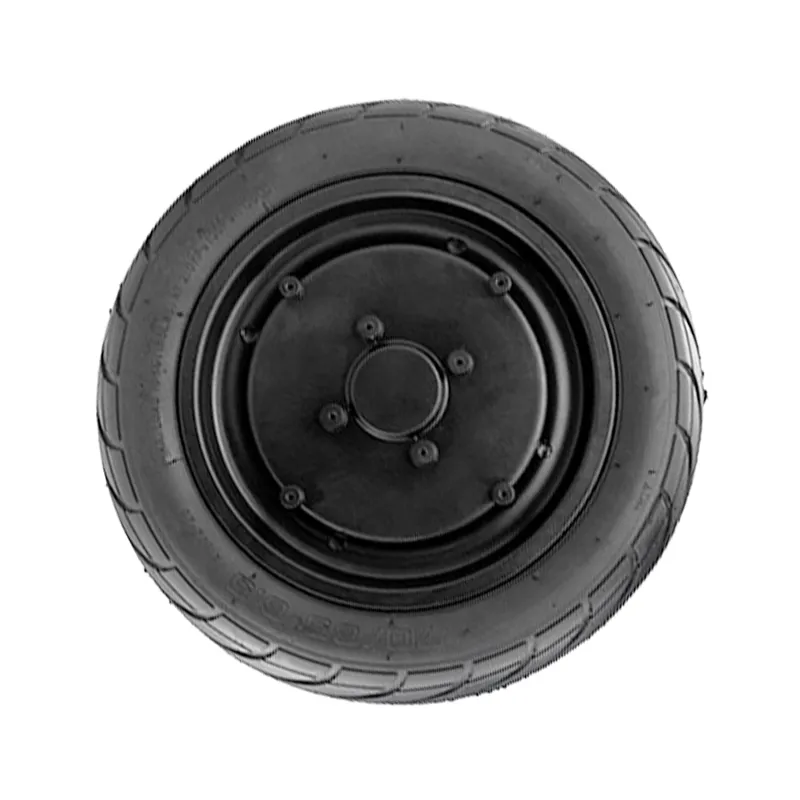
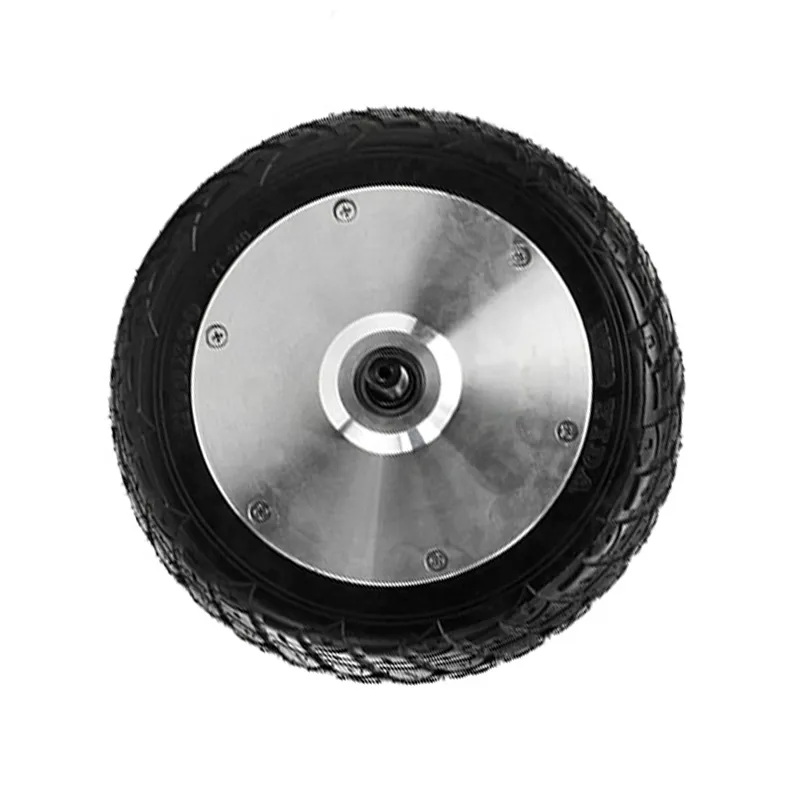
For B2B OEM/ODM programs, a low-voltage 3-electric system customization project is only as successful as its delivery path—from requirement alignment to verification and handover. This page shares a case-style breakdown of how Shenzhen Jinhaixin Holdings Co., Ltd (深圳金海芯控股有限公司) typically delivers customized projects involving BLDC hub motors, drive controllers, and energy battery packs.
Topic
Low-voltage 3-electric system customization project delivery (requirements → verification)
Best for
Project decision-makers evaluating customization-capable suppliers
Outcome
Clear checkpoints, verification focus, and handover criteria to reduce risk
What “Low-Voltage 3-Electric System” Means in This Delivery Context
In this page, “3-electric system” refers to the motor, controller, and battery pack as an integrated low-voltage powertrain. Customization delivery emphasizes not only component specifications, but also interface compatibility, system-level behavior, and verification evidence suitable for procurement and engineering review.
| Module |
Typical customization focus |
Verification emphasis at delivery |
| BLDC hub motor |
Mechanical fit, electrical interfaces, matching with controller strategy |
Functional checks, interface confirmation, run behavior consistency |
| Drive controller |
Control logic alignment, connector/pinout, communication expectations |
Prototype testing results, parameter/setting traceability, acceptance criteria |
| Energy battery pack |
Pack integration constraints, matching with motor/controller demand |
Basic delivery checks and handover documentation aligned to project scope |
Note: Specific tests and documents depend on your product application, integration scope, and agreed acceptance criteria.
Delivery Flow: From Requirements to Verification (Case-Style Breakdown)
The flow below reflects a typical customization project delivery path used by Shenzhen Jinhaixin Holdings Co., Ltd. Each step includes the goal, key outputs, and risk-control checkpoint that helps improve delivery certainty.
1) Requirement Alignment (Scope Lock-In)
- Goal: Align expectations for motor/controller/battery pack scope and integration boundaries.
- Key outputs: Confirmed requirement set, interface expectations, and acceptance criteria direction.
- Checkpoint: Avoid “silent assumptions” by explicitly confirming what is included and what is out of scope.
2) Solution Design (System Matching)
- Goal: Build a feasible low-voltage 3-electric solution by matching motor, controller, and battery pack behaviors.
- Key outputs: Proposed configuration, preliminary interface definitions, and design decisions ready for prototyping.
- Checkpoint: Review integration points early (mechanical fit, wiring/connector, and control/communication expectations).
3) Prototype Build & Sample Testing (Evidence First)
- Goal: Validate the design with real samples before scaling.
- Key outputs: Prototype samples and test feedback records aligned to the agreed criteria.
- Checkpoint: Use prototype testing to confirm functional behavior and reduce rework risk before batch planning.
4) Delivery Verification (Handover Readiness)
- Goal: Confirm deliverables meet the agreed handover criteria.
- Key outputs: Verification checklist, interface confirmations, and delivery-ready packaging of technical handover items (as agreed).
- Checkpoint: Verify not only parts, but also the system-level fit between motor, controller, and battery pack within the project scope.
5) Batch Delivery (Controlled Scale-Up)
- Goal: Move from verified samples to stable batch supply.
- Key outputs: Batch shipment aligned to the confirmed configuration and verification checkpoints.
- Checkpoint: Maintain consistency by adhering to the validated configuration and agreed change-control approach.
6) After-Sales Support (Project Continuity)
- Goal: Support engineering follow-up after delivery to keep the project stable in real application cycles.
- Key outputs: Issue triage, feedback loop for improvements, and support aligned to project agreements.
- Checkpoint: Ensure questions are traceable to requirements, design decisions, and prototype testing outcomes.
Key Checkpoints That Typically Reduce Project Risk
A. Requirement clarity & boundaries
Clear definition of customization scope (motor, controller, battery pack) and system interfaces helps prevent late-stage changes and approval delays.
B. Prototype testing as a decision gate
Prototype testing provides tangible evidence for design feasibility and can serve as a go/no-go gate before batch delivery.
C. Delivery verification & acceptance criteria
Delivery verification aligned to agreed acceptance criteria improves handover efficiency and reduces disputes during receiving inspection and integration.
Who This Delivery Approach Fits Best
- OEM/ODM buyers sourcing a customization-capable supplier for hub motors, controllers, and battery packs.
- Engineering & procurement teams needing a clear delivery flow with checkpoints and verification logic.
- Projects with integration complexity where system matching matters more than single-component purchase.
About Shenzhen Jinhaixin Holdings Co., Ltd
Shenzhen Jinhaixin Holdings Co., Ltd is an industry-and-trade integrated enterprise focused on low-voltage 3-electric system design, R&D, customization, manufacturing, and sales. Headquartered in Shenzhen, with production bases in Shenzhen, Dongguan, Changzhou, and Hainan, the company serves B2B customers with a customer-centric approach and quality management practices aimed at stable, reliable delivery.
Core offerings include BLDC hub motors, drive controllers, and energy battery packs, with professional customization support for different industry needs.
What you can prepare to speed up alignment
- Target application & integration constraints
- Expected deliverables (module vs. system scope)
- Interface requirements and any existing pinout/connector preferences
- Prototype testing plan and acceptance criteria expectations
Start a Customization Discussion (B2B)
If you’re evaluating a low-voltage 3-electric system customization supplier and want to reduce risk through clear checkpoints—requirements alignment, solution design, prototype testing, and delivery verification—Shenzhen Jinhaixin Holdings Co., Ltd can align with your project scope and handover expectations.
Recommended inquiry format
Share your application, expected scope (motor/controller/battery), key interfaces, and your target prototype testing & delivery verification criteria.
What we align on first
Requirement clarity → solution feasibility → prototype sample plan → verification checklist for delivery handover.


.png?x-oss-process=image/resize,h_800,m_lfit/format,webp)