In the field of low-speed motors, Hall sensors play a crucial role in achieving precise speed feedback and positioning control. This article will delve into the core technical functions of Hall sensors in low-speed motors, introduce their working principles, and provide practical application cases and maintenance tips.
Hall sensors operate based on the Hall effect. When a magnetic field is applied perpendicular to the current flow in a semiconductor material, a voltage difference is generated across the material. This voltage difference, known as the Hall voltage, is proportional to the magnetic field strength. In low-speed motors, Hall sensors are used to detect the magnetic field changes caused by the rotation of the motor's rotor and convert them into electrical signals.
These electrical signals are then processed by the motor control system to determine the speed and position of the motor. By accurately measuring the Hall voltage, the control system can adjust the motor's speed and ensure precise positioning. This technology has been widely adopted in various industries, including automation equipment, robotics, and electric vehicles.
One of the key advantages of using Hall sensors in low-speed motors is their ability to provide high-precision speed feedback and positioning control. By continuously monitoring the Hall voltage, the control system can adjust the motor's speed in real-time to maintain a constant speed or follow a specific speed profile.
For example, in an automated conveyor system, the motor needs to run at a constant speed to ensure the smooth movement of goods. By using a Hall sensor-based speed feedback system, the control system can detect any speed fluctuations and adjust the motor's power output accordingly. This not only improves the efficiency of the conveyor system but also reduces the risk of product damage.
In addition to speed control, Hall sensors can also be used for positioning control. By detecting the position of the motor's rotor, the control system can accurately control the motor's movement and ensure that it stops at the desired position. This is particularly important in applications such as robotic arms and CNC machines, where precise positioning is required.

Using Hall sensors in low-speed motors can significantly improve the motor's performance. By providing accurate speed feedback and positioning control, the motor can run more smoothly and quietly. This reduces the noise and vibration generated by the motor, making it more suitable for applications where quiet operation is required.
Furthermore, Hall sensors can also improve the motor's efficiency. By adjusting the motor's speed in real-time, the control system can optimize the motor's power consumption and reduce energy waste. This not only saves energy but also extends the motor's lifespan.
Like any other electronic component, Hall sensors can experience faults over time. To ensure the reliable operation of the motor, it is important to regularly diagnose and maintain the Hall sensors. This article provides some practical tips for fault diagnosis and maintenance.
One common fault in Hall sensors is the failure to generate a valid Hall voltage. This can be caused by a variety of factors, such as a broken wire, a damaged sensor, or a weak magnetic field. To diagnose this fault, technicians can use a multimeter to measure the Hall voltage and check for any abnormal readings.
In addition to fault diagnosis, regular maintenance is also essential to ensure the long-term performance of the Hall sensors. This includes cleaning the sensors, checking the wiring connections, and replacing any worn-out components. By following these maintenance tips, technicians can improve the reliability and lifespan of the Hall sensors.
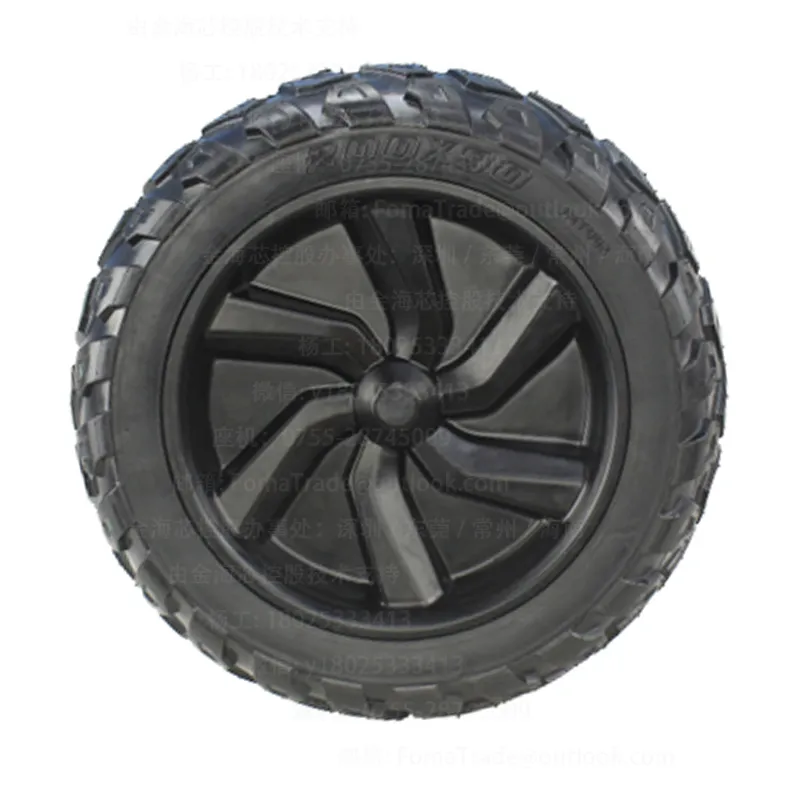
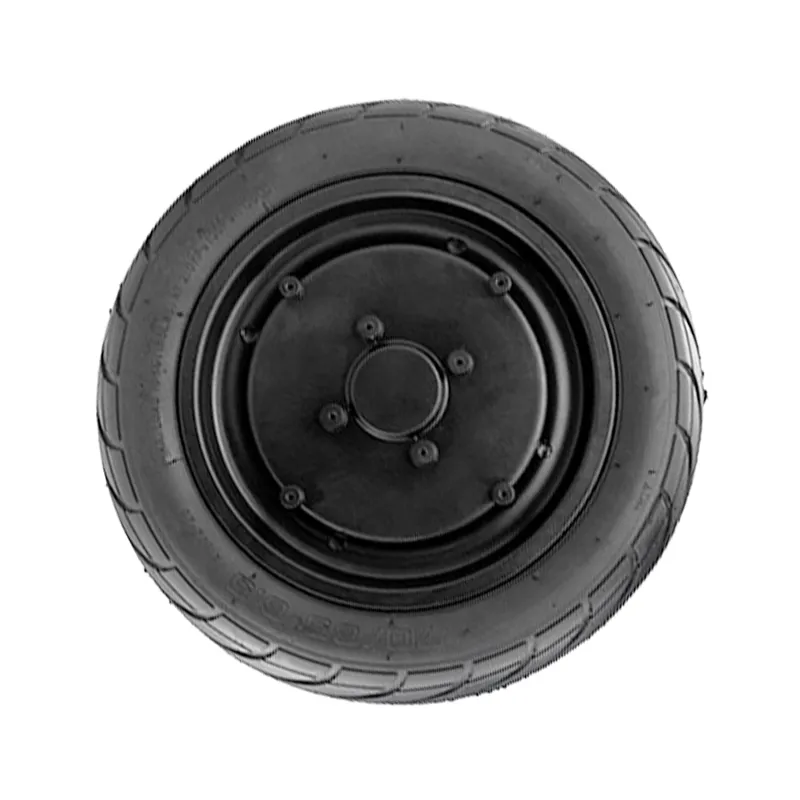
At the end of this article, we would like to introduce the 5-inch low-speed motors produced by Shenzhen Jinhaixin Holdings Co., Ltd. These motors are equipped with high-quality Hall sensors, which provide accurate speed feedback and positioning control. They are suitable for a wide range of applications, including automation equipment, robotics, and electric vehicles.
If you are interested in our products, please click here for more information and purchase guidance. Our professional team is ready to provide you with the best solutions and support.

.png?x-oss-process=image/resize,h_800,m_lfit/format,webp)