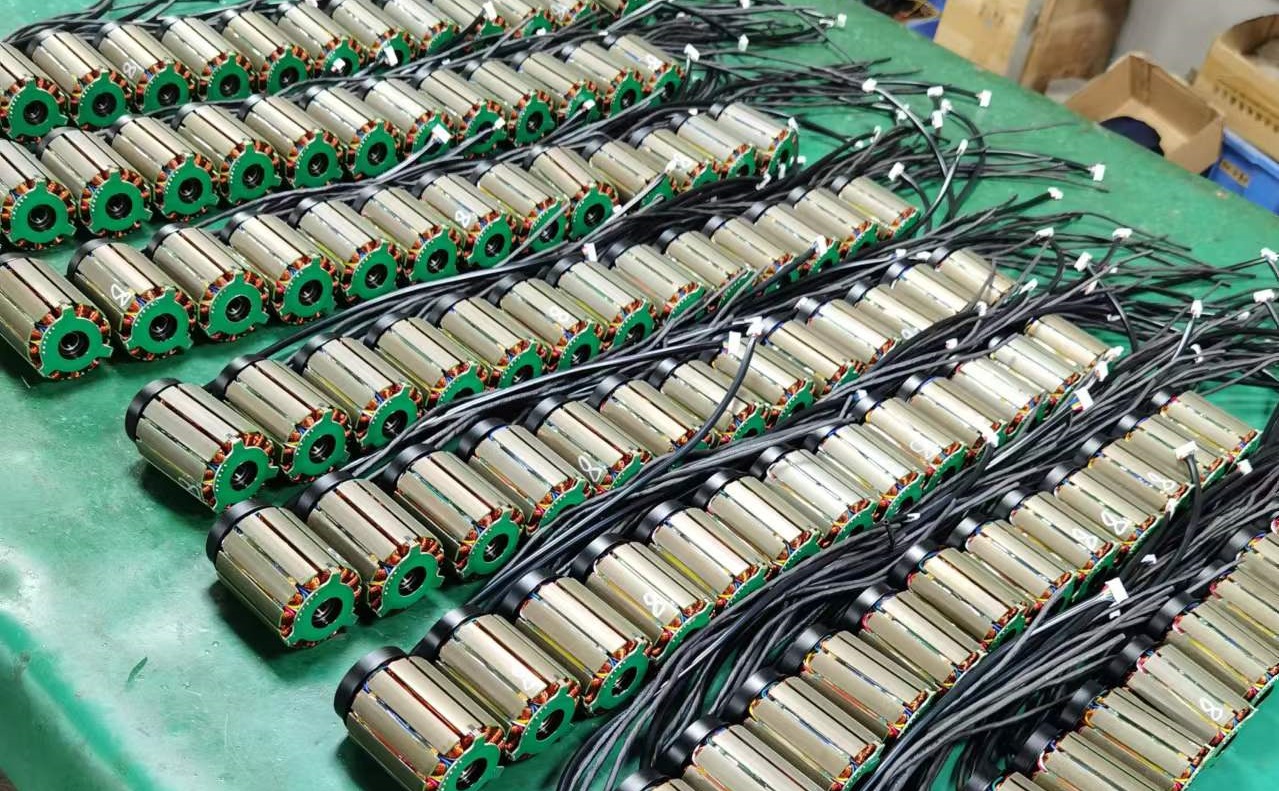
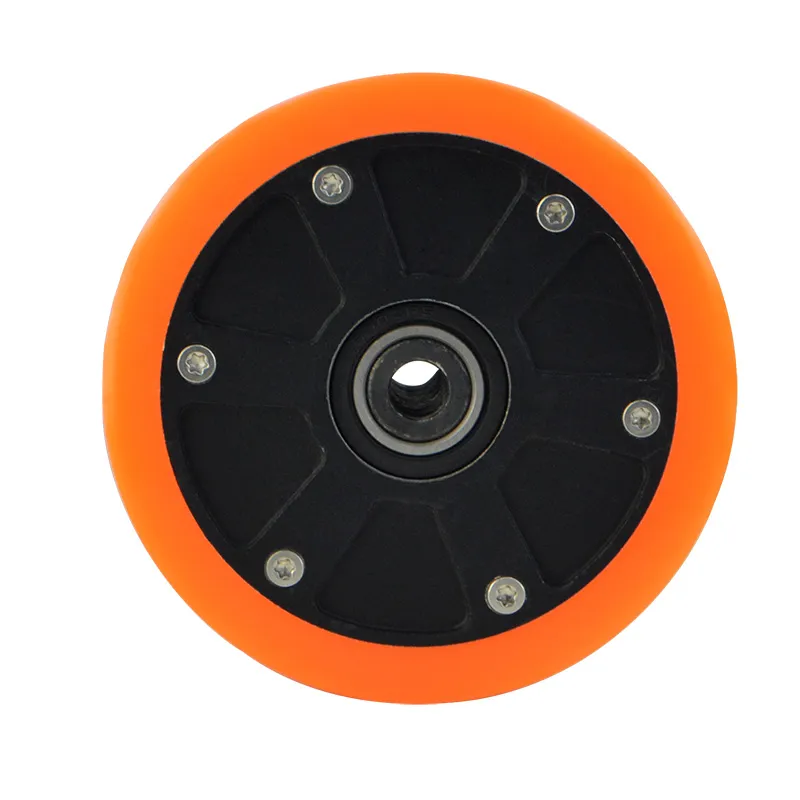
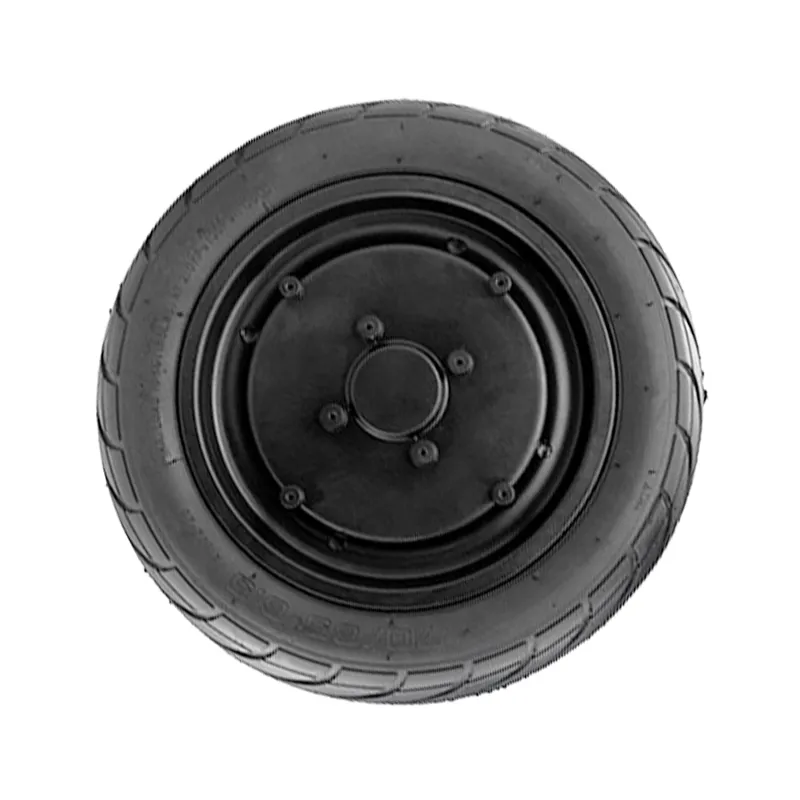
Lawn mower motors, especially 8-inch diameter models, are prone to overheating during extended operations, causing performance degradation and reduced lifespan. This issue often stems from inefficient heat dissipation and grass debris entanglement. The Cyclone Cooling Design has emerged as a cutting-edge solution, leveraging aerodynamic principles to enhance motor airflow and prevent clogging, significantly improving operational reliability.
At the core of the Cyclone Cooling Design is an innovative air circulation mechanism whereby cooling fans and strategically placed vents generate a controlled cyclone airflow around the motor casing. This airflow rapidly dissipates heat generated during high-load mowing tasks. Through computational fluid dynamics (CFD) modeling, engineers demonstrated up to a 25% reduction in motor temperature compared to conventional passive cooling designs.
Additionally, the design integrates angled deflector blades that channel and repel grass clippings and dust, preventing the common problem of debris build-up which can obstruct ventilation paths. This feature minimizes downtime caused by frequent cleaning and ensures consistent cooling efficiency.
To harness the benefits of the cyclone design, precise installation of the lawn mower motor is critical. The motor features a 200mm diameter and 45mm wide stator, tailored for compatibility with diverse mower chassis. Proper mounting ensures balanced rotation, reduces vibration, and maintains structural integrity.
The single-sided axial pressure bearing plays a pivotal role in maintaining device stability. The installation checklist includes:
Following these steps reduces mechanical stress, increasing the motor’s operational lifespan by up to 30% based on field testing across varied terrain conditions.
Overheating is often aggravated by accumulation of grass clippings and loose debris around motor vents and the axial bearing. Consistent preventive maintenance is vital:
By adhering to these maintenance routines, users effectively prevent overheating, ensuring sustained high performance even in challenging conditions such as summer heatwaves or humid rainy seasons.
Veteran technicians highlight common pitfalls like incorrect bearing torque settings or motor misalignment that frequently cause overheating. Systematic troubleshooting includes:
These insights not only reduce unexpected breakdowns but also facilitate faster repairs, minimizing downtime and maximizing mower availability.
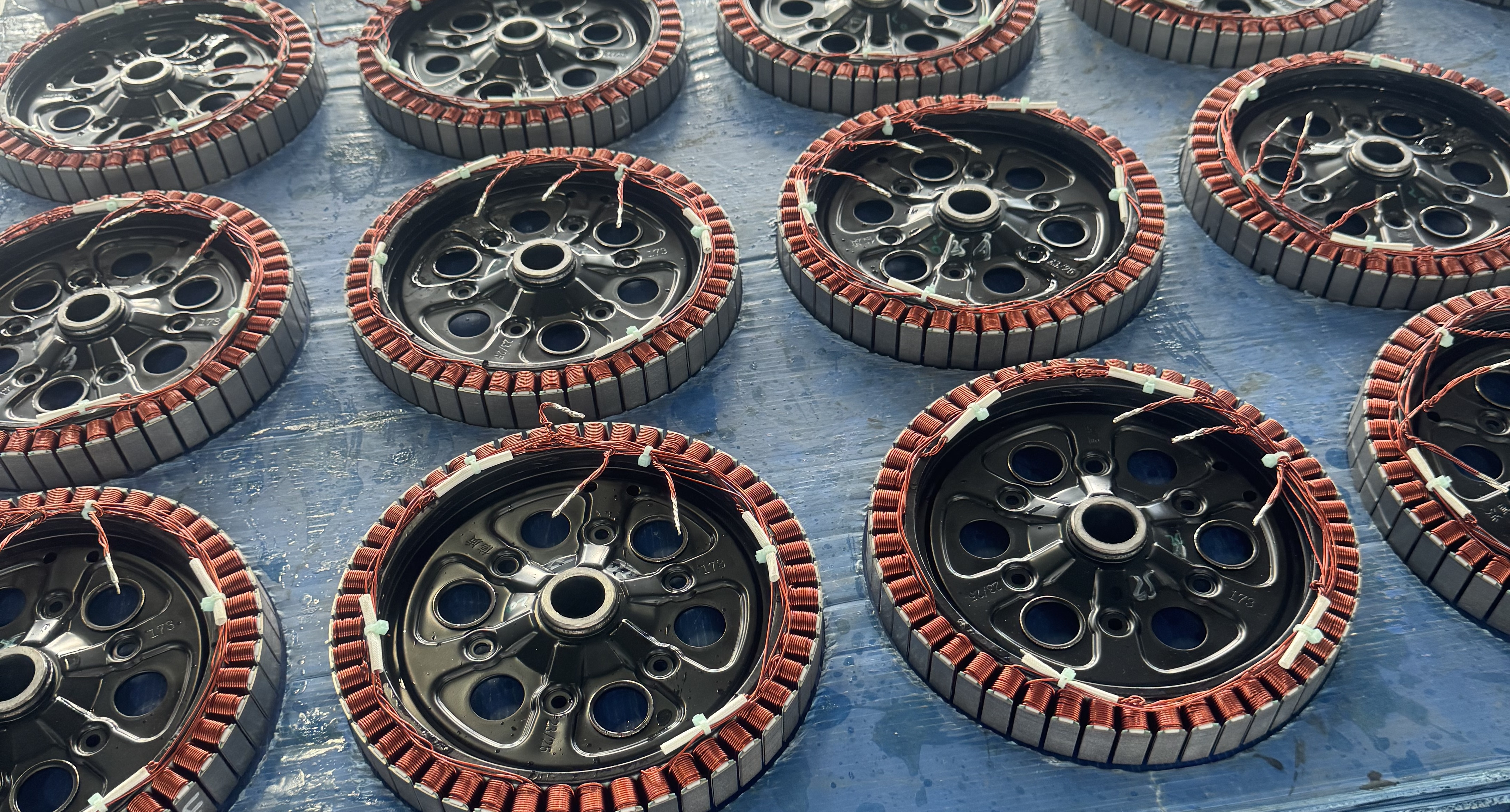
Environmental factors significantly impact motor temperature regulation. For example, in high ambient temperatures exceeding 35°C (95°F), it is recommended to increase cooling vent inspections to every 5 hours of mowing. During wet seasons, prompt drying and cleaning of the motor help prevent moisture ingress that can exacerbate overheating and cause electrical faults.
Combining these protocols with the cyclone cooling design ensures the motor retains optimal performance year-round, delivering consistent power and durability demanded by professional landscapers and commercial operators.