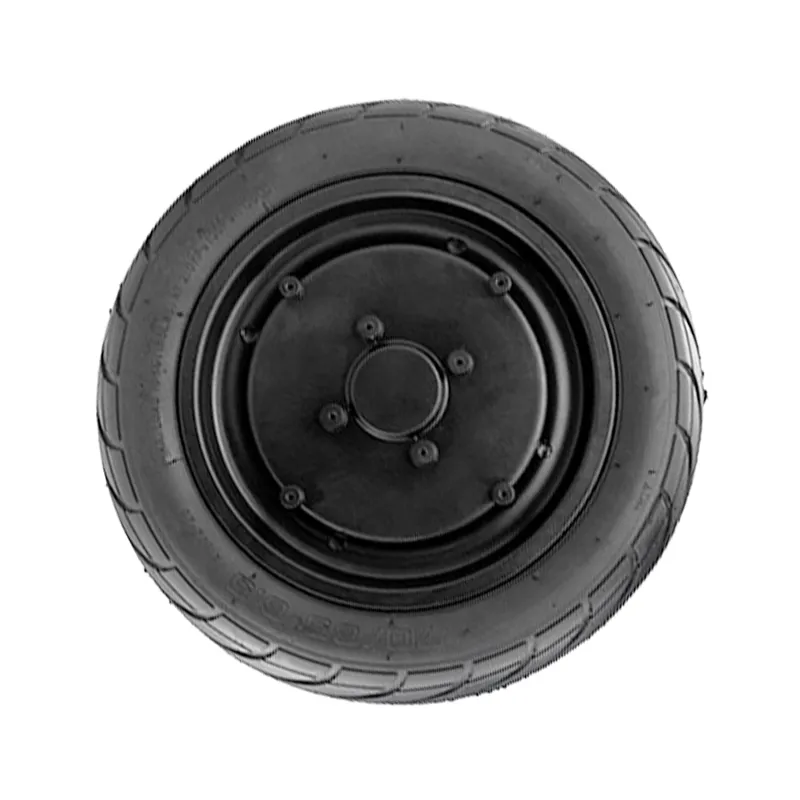
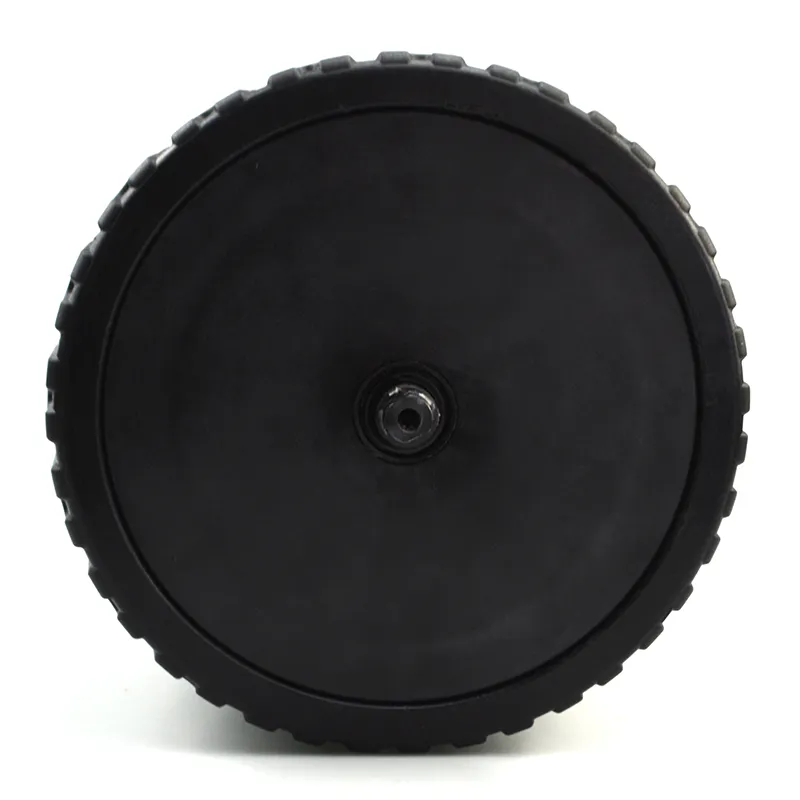
In the world of lawn care, the efficiency of a lawn mower's motor drive is not solely determined by its power. It is closely related to the internal structural design. This article takes an in - depth look at how these design elements contribute to the overall performance of lawn mower motors.
The unilateral pressed shaft design is a significant innovation in lawn mower motor technology. Through industry - wide testing, it has been found that motors with this design can reduce vibration by up to 30%. This reduction in vibration not only improves the operational stability of the lawn mower but also extends the service life of the motor and other components. For example, in continuous mowing operations, a motor with a unilateral pressed shaft is less likely to experience mechanical failures, ensuring smooth and efficient work.
The 115 short shaft is another key design for lawn mower motors. By optimizing the center of gravity, it reduces mechanical resistance during operation. According to actual measurements, motors equipped with 115 short shafts can reduce power consumption by about 15% compared to traditional long - shaft designs. This not only saves energy but also makes the lawn mower more maneuverable, especially in areas with complex terrain such as corners and around obstacles.
Lawn mowers often need to work under various complex conditions, such as wet grasslands and slopes. In wet grassland conditions, the motor needs to provide more power to cut through wet and heavy grass. Tests show that modern lawn mower motors can increase their output power by up to 20% in wet grassland conditions compared to normal conditions. On slopes, the motor needs to maintain stable power output to ensure safety and efficiency. Motors with advanced control systems can adjust their output power in real - time according to the slope angle, ensuring smooth operation on slopes of up to 30 degrees.
When comparing traditional and modern lawn mower motor designs, significant differences can be seen in energy consumption and torque performance. Traditional motors usually have a relatively high energy consumption rate, often consuming about 20% more energy than modern compact motors. In terms of torque, modern motors can provide up to 15% more torque, which means they can cut through thick grass more easily and efficiently.
Temperature rise is a crucial factor affecting the performance and lifespan of motors. High - quality materials and precision manufacturing play a key role in temperature rise control. Motors made of high - conductivity materials can better dissipate heat, reducing the temperature rise during operation by up to 10%. This ensures that the motor can maintain stable performance even in long - term high - load operations.
Understanding the principles behind the efficient operation of lawn mower motors can help both B - end buyers and C - end users make more informed purchasing decisions. Whether you are an engineer looking for the best technical solutions or a user seeking a high - performance lawn mower, these insights can guide you to choose the most suitable product.
We'd like to hear your thoughts! Have you noticed any performance differences in different lawn mower motors? Share your experiences in the comments below.
Explore Our High - Performance Lawn Mower Motors Now!