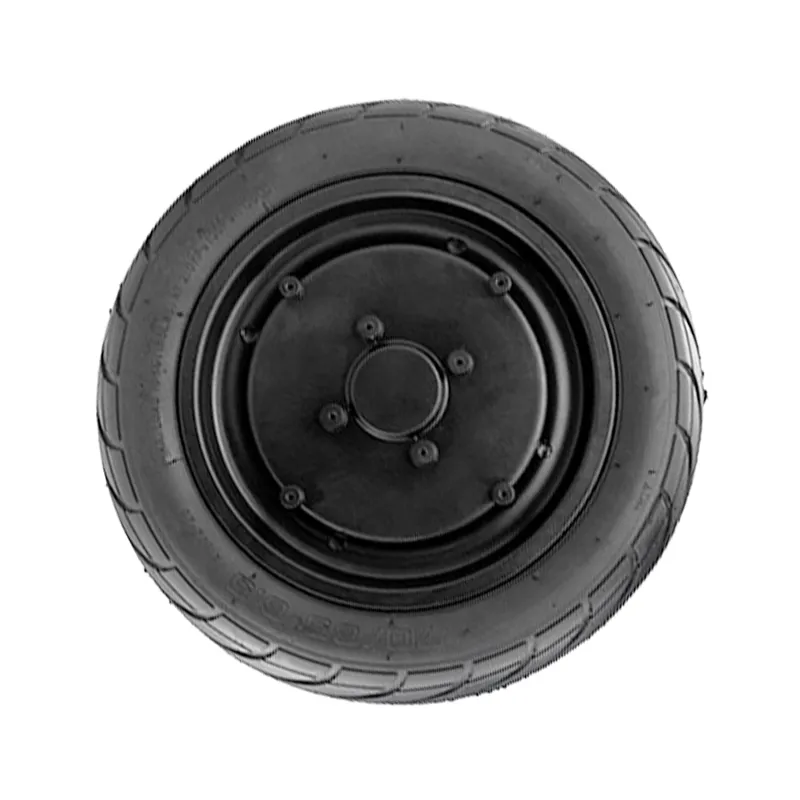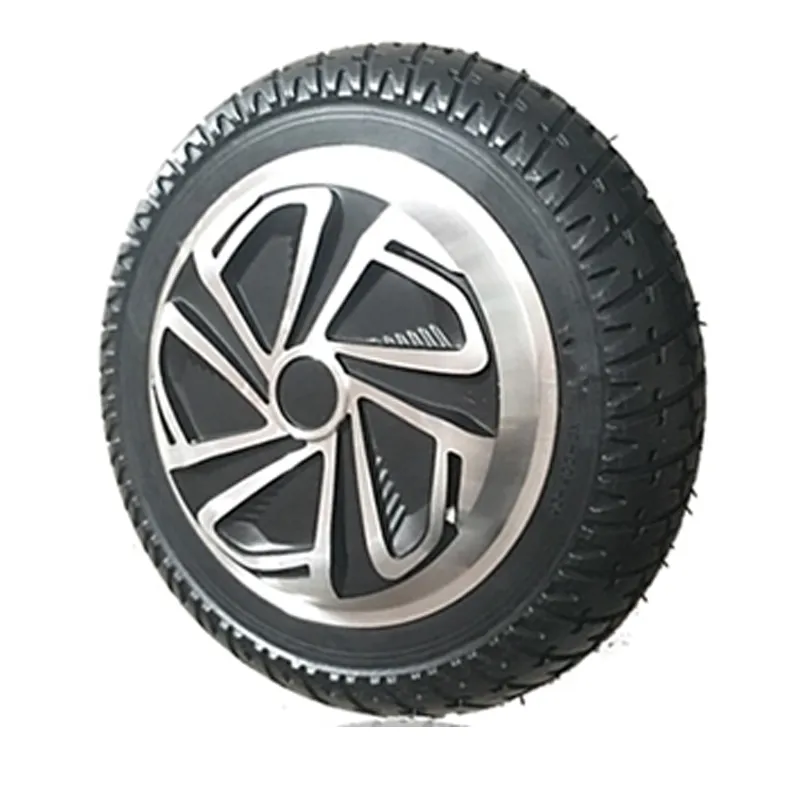
Understanding the profound impact of hub dimensions on electric hub motor performance is critical for engineers, technical buyers, and product designers in the electric mobility industry. The diameter and tire width of electric wheel hubs not only dictate the torque output capabilities but also affect heat dissipation, mechanical stability, and the overall energy efficiency of the device. This article delves into the technical nuances that connect hub size with motor dynamics, emphasizing practical insights for electric mobility applications—from personal transporters to recreational devices.
Torque, a pivotal factor in power delivery, is fundamentally influenced by the hub wheel’s diameter. Increasing the diameter of the hub generally elevates the torque leverage, allowing for higher mechanical advantage. For example, an 8-inch hub motor can provide approximately 15-20% more torque than a 6-inch counterpart, assuming identical motor specifications. This difference arises because torque (τ) is calculated as the force (F) multiplied by the radius (r) – a larger radius translates to greater torque potential without increasing electrical load.
However, larger hubs also add mechanical inertia and can slightly reduce acceleration responsiveness. Conversely, smaller hubs enhance agility but may demand higher current to achieve comparable torque, thereby impacting battery efficiency.
Aside from diameter, tire width critically affects the motor’s thermal management and mechanical robustness. A wider tire improves contact surface area, enhancing heat dispersion from the motor housing and tire assembly. In practical tests, switching from a 2.0-inch to a 2.5-inch tire width reduced motor core temperature by up to 8°C under continuous load, significantly extending component lifespan.
Moreover, increased tire width benefits lateral stability—particularly in electric scooters and recreational devices—by reducing skid risk and improving user control on uneven terrain.
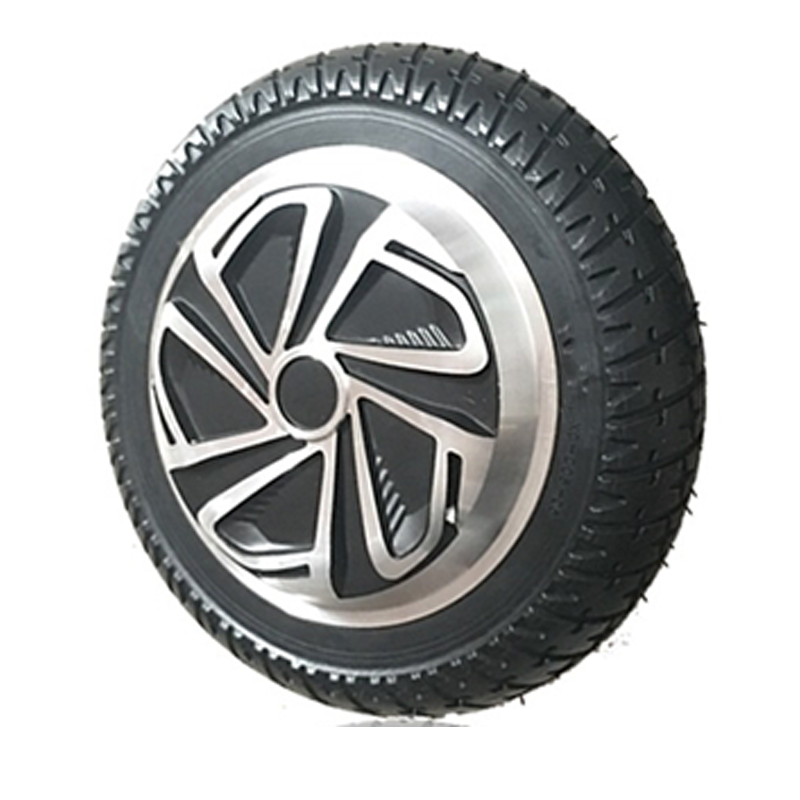
Hub size influences not only mechanical output but also the overall energy efficiency of electric mobility devices. Larger hubs produce more torque at lower current levels, translating into reduced energy consumption for hill climbs or load-bearing conditions. On the other hand, increased diameter and weight marginally elevate rolling resistance, impacting range if not optimally designed.
Effective design requires a tradeoff matrix consideration: for a standard electric scooter weighing 15-20kg, an 8-inch hub diameter combined with a moderate tire width (2.2-2.5 inches) offers an optimal balance between torque, heat dissipation, and rolling resistance—resulting in up to 15% improvement in battery range compared to smaller hub sizes under similar load profiles.
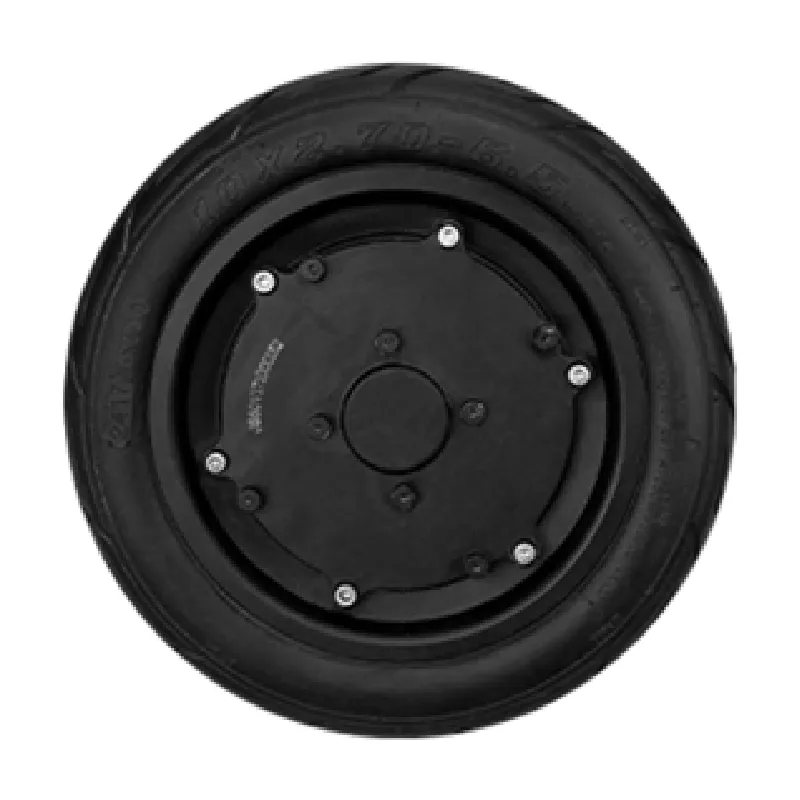
Real-world applications underscore the importance of matching hub sizes with vehicle design and intended usage scenarios. In electric personal transporters, using an 8-inch long-shaft hub motor—such as the “Whirlwind” series—provides superior torque for urban commuting while maintaining compactness and manufacturability.
In outdoor recreational equipment, wider tires paired with larger hubs impart crucial stability and resilience over rough terrain. The amalgamation of custom hub dimensions facilitates smoother rides and improves user safety without compromising motor longevity.

Proper hub sizing is paramount to prevent mechanical incompatibilities during assembly. Oversized hubs can cause clearance issues with forks and brakes, while undersized motors may fail to deliver the required torque, causing premature wear and unsatisfactory ride quality.
Additionally, non-matched tire widths may lead to suboptimal heat dissipation and stability, accelerating component degradation. Leveraging engineering-grade specifications and thorough consultation can eliminate costly rework or product returns.
Selecting the ideal hub motor dimension requires in-depth evaluation of load conditions, vehicle application, and user expectations. The “Whirlwind” 8-inch long-shaft electric hub motor, engineered for modular adaptability, delivers outstanding torque and heat management tailored for diverse electric mobility products.
Industry professionals can benefit from personalized consultation services to identify the optimum combination of diameter, tire width, and motor specs that enhance power delivery, thermal control, and operational longevity.
.png?x-oss-process=image/resize,h_800,m_lfit/format,webp)