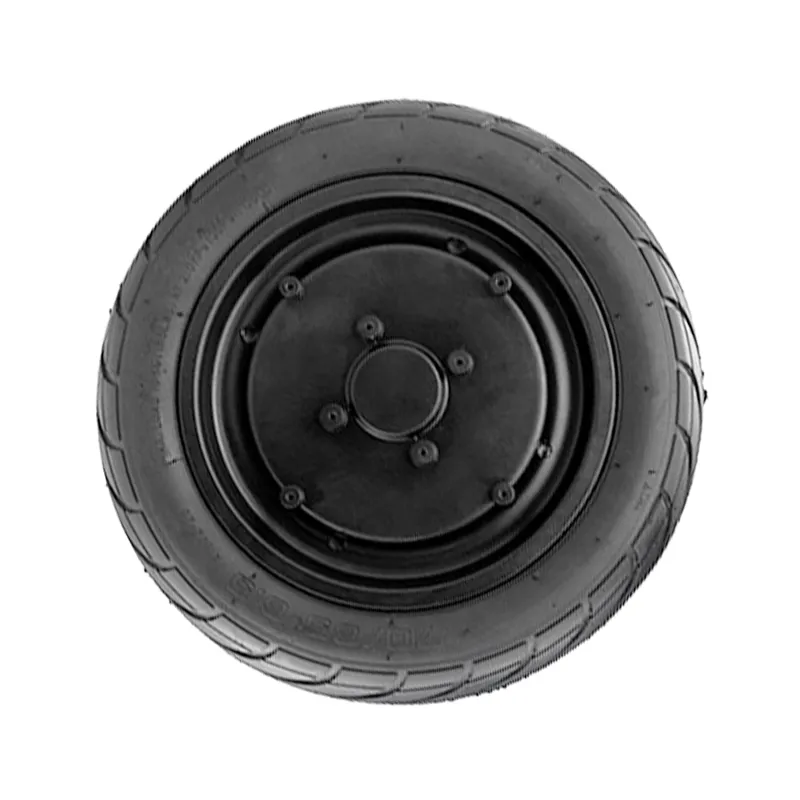
Choosing a hub motor RPM starts with the relationship between wheel diameter and target vehicle speed. Calculate the wheel speed required for your target, then check how the motor and drivetrain deliver that speed under operating load. This gives buyers a consistent starting point when comparing brushless hub motor specifications.
WWTrade provides this guide as a practical way to assess RPM requirements. The calculation is an estimate; actual speed depends on the motor, drivetrain configuration, load and operating conditions.
For target speed in kilometres per hour and wheel diameter in metres, use:
Wheel RPM = target speed × 1,000 ÷ (60 × π × wheel diameter)
The wheel circumference is π multiplied by the wheel diameter. Dividing the target distance per minute by that circumference estimates how many wheel rotations are needed each minute.
In a direct-drive setup, motor RPM corresponds to wheel RPM. Compare the calculated wheel RPM with the motor’s expected operating speed under load.
If the system uses gearing, account for the gear ratio when relating motor RPM to wheel RPM. Confirm how the ratio is defined in the relevant motor or drivetrain documentation before comparing specifications.
A rated or no-load RPM figure does not by itself establish the speed a vehicle will achieve in use. When comparing motor specifications, check whether the stated RPM reflects loaded operation and whether the test or operating conditions are relevant to your application.
The calculated RPM helps narrow comparisons, but it is not a standalone performance guarantee or a complete motor-selection decision. Confirm the relevant motor, drivetrain and application details in the corresponding product documentation. As a supplier focused on low-voltage three-electric systems, Shenzhen Jinhaixin Holdings Co., Ltd. operates under the WWTrade brand and provides technical support and customization based on customer requirements; specific product capabilities and conditions should be verified against the applicable product information.




.png?x-oss-process=image/resize,m_fill,h_800,w_800/format,webp)