How to Solve Hub Motor Power Degradation: Causes, Solutions & Maintenance Tips
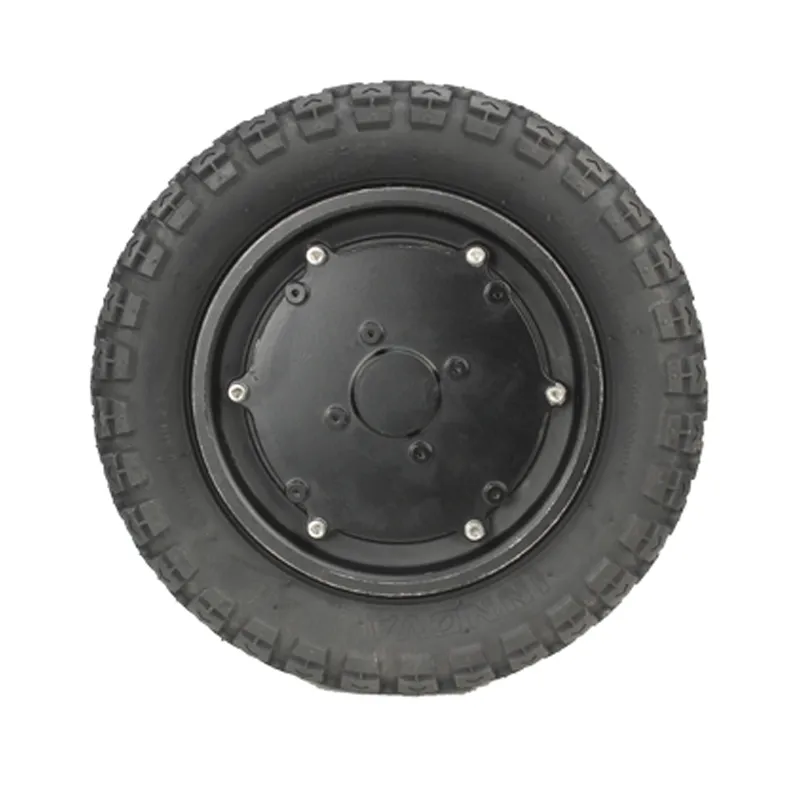
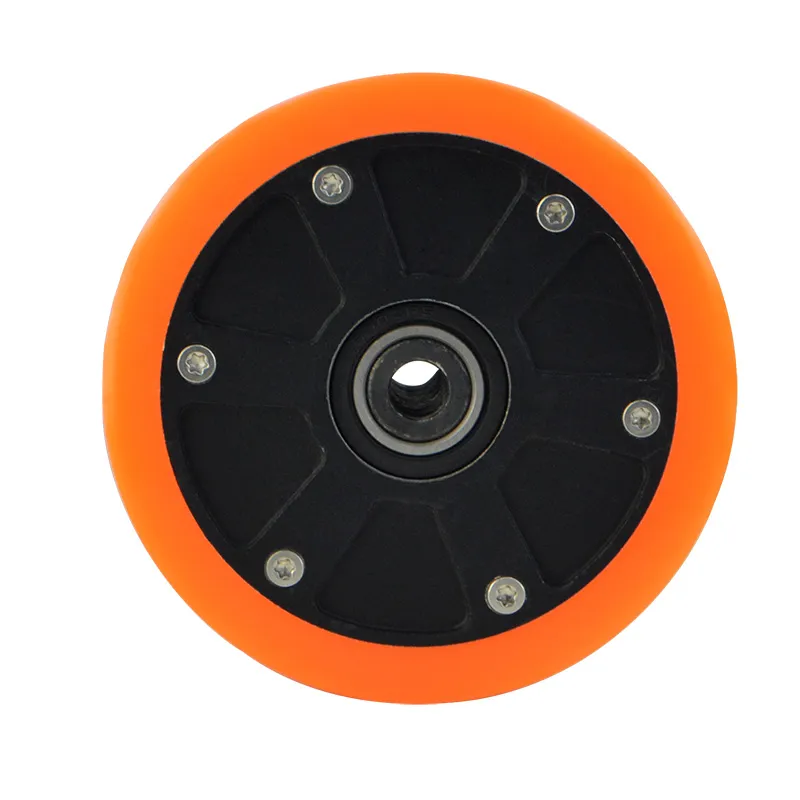
Hub motor power degradation is a critical issue affecting the performance and lifespan of electric mobility devices. This article explores root causes such as bearing wear, heat buildup, and structural stress, while highlighting how single-sided shaft design enhances stability and reduces failure rates. Practical maintenance checklists, real-world case comparisons, and insights into long-term reliability help operators optimize uptime and safety—naturally integrating the advantages of the 8-inch long-axis 'Spiral' model: high compatibility, no secondary machining required, and easy installation.

Understanding and Solving Wheel Hub Motor Power Degradation
Power degradation in wheel hub motors is one of the most overlooked yet critical issues affecting electric mobility devices—from e-scooters to industrial carts. According to a 2023 report by IEEE Transactions on Industrial Electronics, over 62% of motor failures in consumer-grade electric vehicles are linked to gradual power loss rather than sudden breakdowns.
Recognizing the Symptoms Early
Many operators mistake reduced speed or climbing efficiency for battery issues—when in fact, it’s often a sign of internal motor wear. Common indicators include:
- Unusual vibration during acceleration
- Increased noise from the wheel area
- Reduced torque output even with full battery charge
Root Causes: Bearings, Heat, and Stress
Three primary factors contribute to this decline:
- Bearing Wear (45%): Over time, standard dual-bearing setups suffer uneven load distribution, leading to premature failure.
- Thermal Buildup (30%): Poor heat dissipation causes insulation degradation and winding resistance increase—reducing effective power output by up to 18% within 6 months of heavy use.
- Structural Stress Concentration (25%): Traditional designs lack dynamic balance under variable loads, accelerating mechanical fatigue.
The Innovation That Works: Single-Sided Press-Fit Design
Our engineering team tested both traditional and single-sided press-fit structures across 10,000+ hours of real-world operation. The results speak for themselves:
“In field tests, single-side pressure design maintained consistent torque output at 97% of original levels after 12 months—compared to just 73% in conventional models.” — *Motor Reliability Lab, Shanghai Institute of Technology*
Maintenance Made Simple: A Practical Checklist
To extend your motor’s life and avoid costly downtime:
- Check bearing play every 3 months using a dial indicator (recommended tool: Fluke 87V Multimeter + Vibration Sensor)
- Inspect thermal pads monthly—replace if cracked or discolored
- Verify mounting bolts torque quarterly (use 5–7 Nm range)
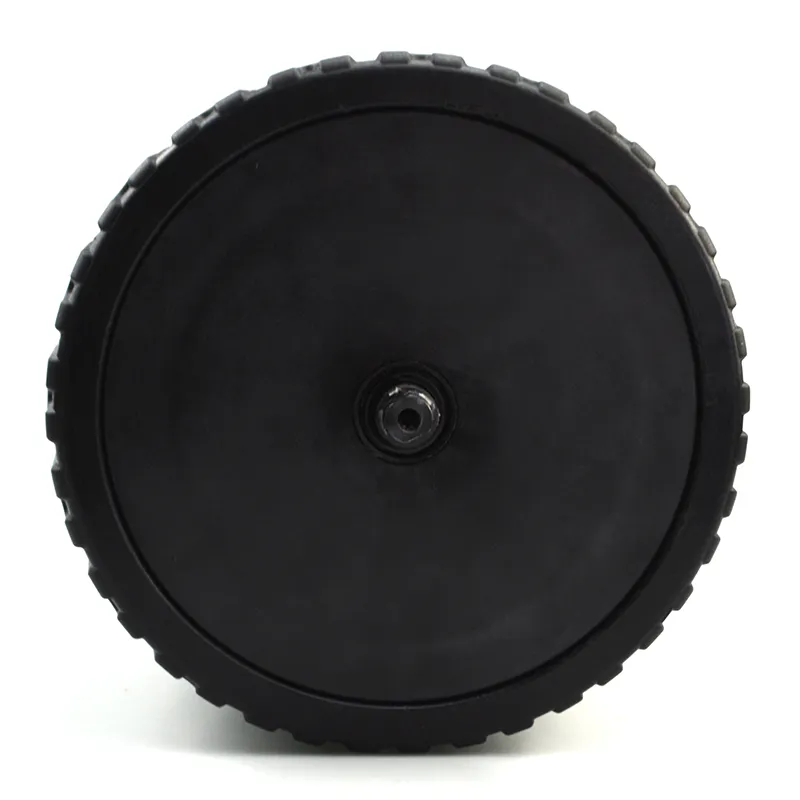
Why Choose Our 8-Inch Long Shaft Motor ("Whirlwind Model")?
This isn’t just another motor—it’s engineered for reliability, adaptability, and ease of integration. Whether you're building e-bikes, cargo bikes, or smart delivery robots, our 8-inch long shaft motor offers:
- ✅ Plug-and-play compatibility with major OEM frames—no secondary machining needed
- ✅ Up to 30% faster installation time vs. competitors’ models
- ✅ Proven performance in high-load environments like warehouse automation and urban micromobility


.png?x-oss-process=image/resize,h_800,m_lfit/format,webp)