Hub Motor Maintenance Guide: Common Failures, Root Causes, and Efficient Fixes
2026-02-27
This article provides a practical, easy-to-follow breakdown of the most common hub motor system failures seen in real-world operation—bearing wear, heat buildup, power fade, and structural loosening. It explains why these issues occur, how they typically develop over time, and what maintenance actions can prevent repeat failures. A dedicated section highlights the benefits of an innovative single-side press-fit shaft structure, showing how this design can improve stability, reduce vibration-related problems, and extend service life in demanding applications. To support day-to-day execution, the guide includes visual-style elements such as a troubleshooting flow overview, real fault-case examples, and a concise tool-and-checklist reference covering inspection points, recommended service intervals, and field-proven maintenance techniques. The article concludes with a subtle product mention of a high-performance 8-inch long-shaft hub motor “Cyclone” edition, encouraging readers to explore durability, customization options, and suitability for their equipment needs.
Hub Motor System Failures: A Practical Guide to Fast Diagnosis & Efficient Maintenance
In real-world fleets—e-scooters, delivery carts, AGVs, light EVs—hub motors often run in dust, rain splash, curb impacts, and long duty cycles. When a hub motor starts sounding rough, running hot, or “feeling weak,” it usually isn’t random: the failure pattern is surprisingly consistent. This guide breaks down the most common hub motor faults (bearing wear, heat build-up, power fade, structural looseness), explains why they happen, and shows a maintenance workflow technicians can execute with predictable results—without over-maintaining.
Keywords: hub motor maintenancemotor troubleshooting solutionsbearing wearsingle-side press-fit axle structure
1) The 4 Failures That Explain Most Hub Motor Problems
A. Bearing Wear (Noise, Vibration, Drag)
Bearing issues account for a large share of hub motor returns in high-mileage applications. A worn bearing typically shows up as a gritty rotation feel, increasing radial play, or a “growling” sound under load. The root causes are rarely just “bad bearings”—more often it’s contamination, preload changes, or misalignment from shock loads.
Common triggers
Water/dust ingress damaging grease film
Long high-load runs heating and thinning grease
Repeated curb hits shifting internal alignment
Over-tightened fasteners increasing side load
What it “looks like” in the field
Noise increases after rain or washdowns
Motor current rises 5–15% for same speed
Coast-down distance drops noticeably
Heat near the hub cap after short rides
B. Heat Accumulation (Thermal Stress, Magnet/Insulation Aging)
Hub motors are compact and often enclosed. When heat cannot escape, internal temperature rises fast—especially on long climbs, heavy payloads, or stop-and-go delivery routes. Thermal overload accelerates insulation aging and can weaken magnet performance over time. As a practical rule, every ~10°C increase in operating temperature can significantly shorten insulation life in continuous-duty conditions.
Field reference thresholds (typical)
Measured point
Normal range
Action recommended
Hub shell surface (after steady run)
45–70°C
If >75°C, check load, tire drag, phase current, ventilation
Controller temperature
40–65°C
If >70°C, inspect wiring, mounting, and heat sinking
Connector body temperature
Ambient +10–25°C
If hot to touch, suspect high resistance/poor crimp
Note: Actual limits depend on winding insulation class, magnet grade, and mechanical design; treat these as maintenance triggers, not absolute ratings.
C. Power Fade (Weak Acceleration, Lower Top Speed, Higher Current)
“Power fade” is often misdiagnosed as a controller problem. In practice, it may be caused by mechanical drag, phase imbalance, degraded hall sensors, connector resistance, or partial winding damage after overheating. A helpful maintenance mindset is to separate electrical loss from mechanical loss quickly.
Fast checks (10 minutes)
Spin test: compare freewheel time vs. baseline
Connector heat: feel/IR-scan after a short load run
Phase-to-phase resistance consistency (relative)
Hall sensor stability while slowly rotating wheel
Likely culprits
High-resistance crimp/oxidized terminals
Water ingress causing sensor signal noise
Rotor/stator rub due to loosened structure
Thermal damage to winding varnish
D. Structural Looseness (Rattle, Misalignment, Seal Failure)
Structural looseness can start quietly and become expensive. Once fasteners back out or bearing seats shift, the system may develop runout, seal gaps, or uneven load distribution—accelerating bearing wear and increasing heat. For shared vehicles and industrial platforms, vibration plus frequent braking cycles are a common “looseness multiplier.”
2) A Simple Troubleshooting Flow That Works in the Field
A repeatable diagnostic sequence reduces downtime and avoids “parts roulette.” The logic below helps technicians isolate the fault domain before disassembly.
Start
  ↓
Symptom capture (noise / heat / weak power / intermittent cut)
  ↓
Safety & basic checks
  - tire drag? brake rubbing? axle nut torque? cable damage?
  ↓
Quick mechanical isolation
  - spin test + side play check
  → if drag/noise present → Bearing/structure path
  ↓
Quick electrical isolation
  - connector heat + hall stability + phase balance
  → if abnormal → Electrical path
  ↓
Confirm root cause
  - seal condition, bearing seat, fasteners, winding smell/discoloration, water traces
  ↓
Corrective action
  - re-torque + reseal / replace bearing / repair harness / swap sensor / rewind or replace motor
  ↓
Validation
  - temperature run, current check, noise check, record baseline
For fleets, storing a baseline record (freewheel time, typical current at a fixed speed, hub shell temperature after a standard route) usually cuts repeat failures because changes become visible early.
3) Why Single-Side Press-Fit Axle Design Can Reduce Failure Rate
Many hub motor durability problems trace back to how load paths and tolerances behave over time. A single-side press-fit axle structure focuses on improving stability at the critical interface—helping the system maintain alignment under vibration, braking torque, and impact loads.
What it improves (practical outcomes)
Better concentricity: less rotor/stator rub risk
Stable bearing seating: reduced micro-movement and fretting
Lower loosening tendency: maintains clamping over cycles
More predictable service: fewer “mystery” noises after impacts
Why it matters to maintenance teams
When the structure holds alignment, bearing load becomes more uniform, seals stay seated, and heat rise becomes easier to control. In high-usage routes, even a modest reduction in friction or vibration can translate into longer intervals between service events.
4) Maintenance Checklist: What to Inspect, How Often, With Which Tools
Recommended maintenance intervals (reference)
Usage intensity
Quick check
Deep inspection
Shared scooters / delivery (high)
Every 2–4 weeks
Every 3–6 months
Commuter/light cargo (medium)
Every 1–2 months
Every 6–12 months
Indoor AGV/clean site (low)
Every 2–3 months
Every 12 months
Adjust shorter if the environment includes salt fog, frequent washdowns, steep slopes, or payload peaks.
Tools that pay back quickly
IR thermometer: spot hot connectors and hubs in seconds
Record: short notes on route, payload, weather—patterns reveal causes
5) Failure Example: From “Slight Noise” to Repeat Overheating
A common scenario in last-mile delivery: a hub motor begins with mild bearing noise. The vehicle still runs, so it stays in service. Over the next 2–4 weeks, friction increases, current rises, and heat build-up triggers intermittent power limiting—reported as “battery problems.” When opened, the connector shows heat discoloration (from sustained higher current), and the bearing grease has turned dark.
Root-cause chain
Seal fatigue or impact → contamination enters
Bearing film degrades → drag increases
Higher current to hold speed → extra copper loss
Heat rises → grease breaks down faster
Fix that prevents recurrence
Replace bearing + inspect seat and alignment
Re-seal and confirm cable gland integrity
Re-crimp/replace overheated terminals
Run a temperature-and-current validation route
The key insight: early bearing symptoms are often the earliest warning for future electrical stress—fixing them early protects more than just the bearing.
Need a More Durable 8-Inch Long-Axle Hub Motor for Real-World Abuse?
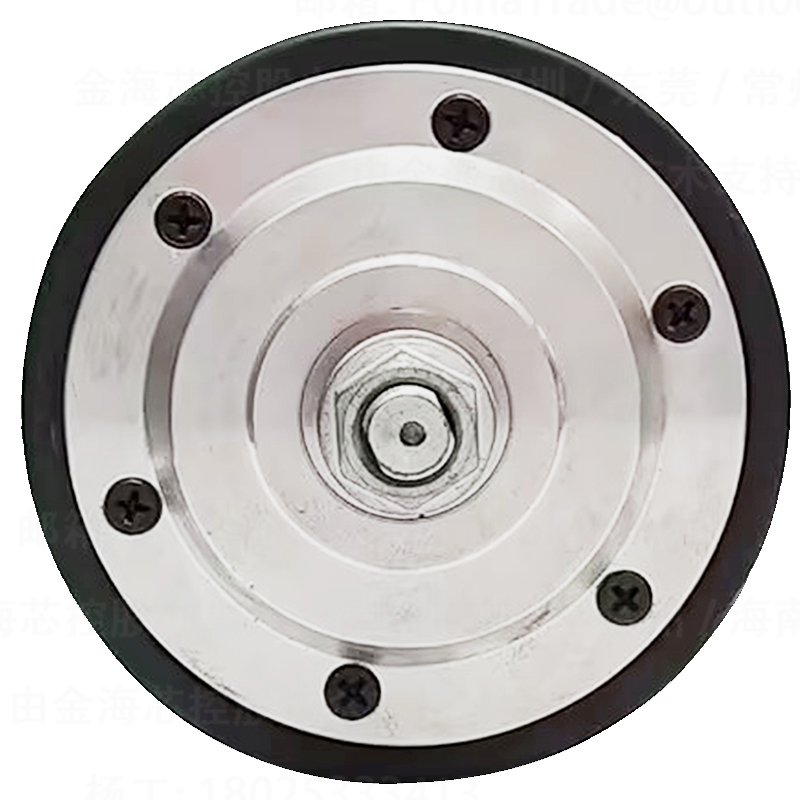
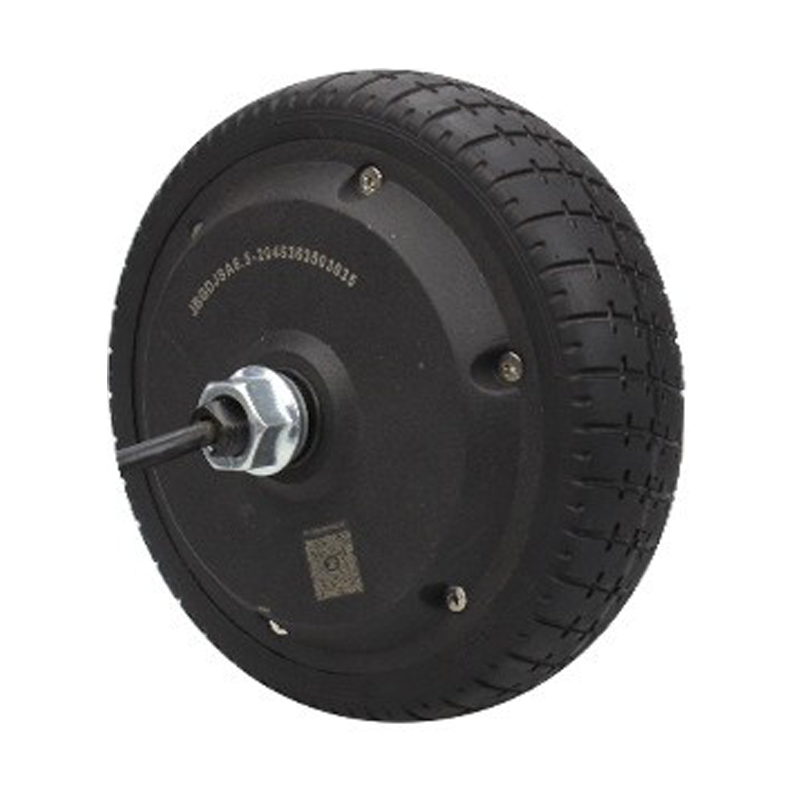
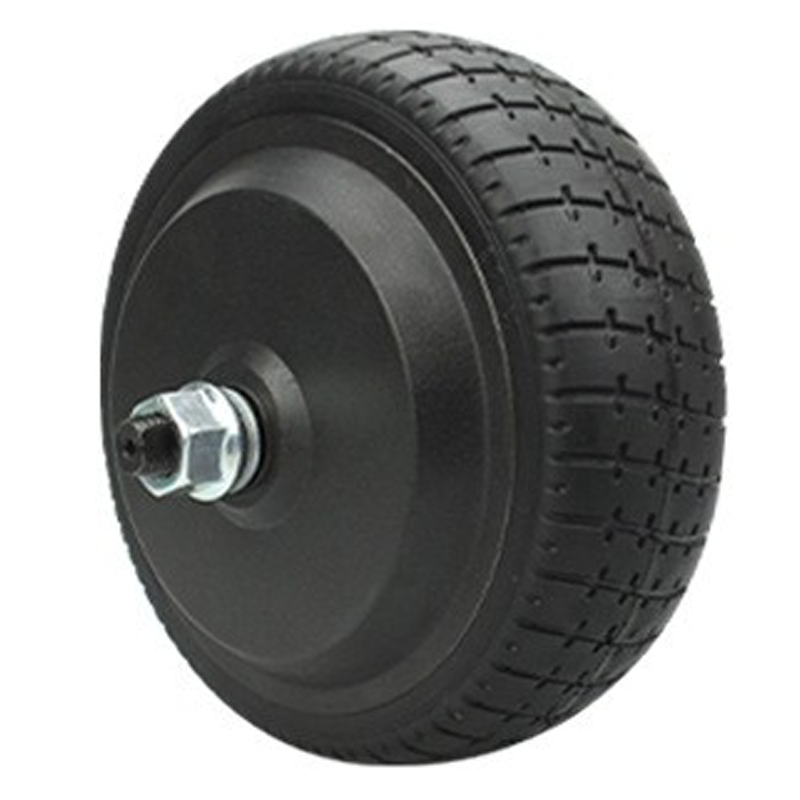
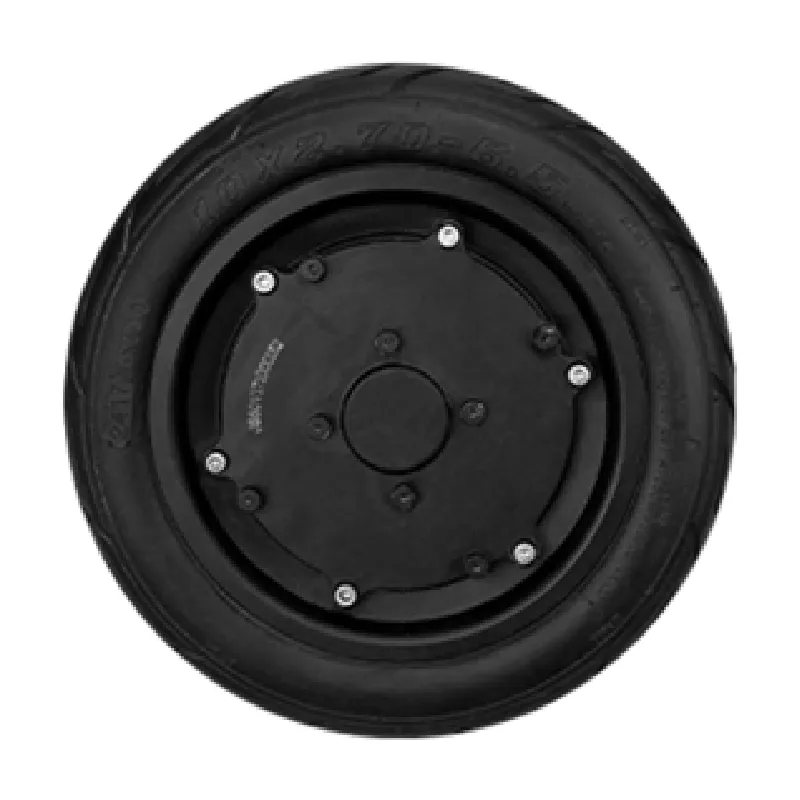
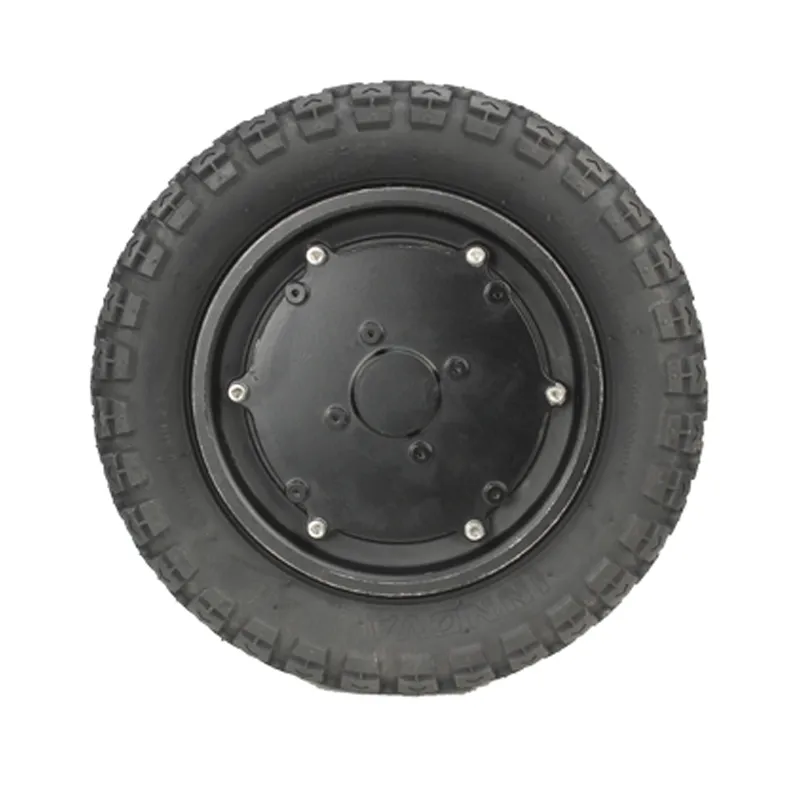
For projects where stability, long service life, and consistent output matter—especially under vibration, impact, and high-duty cycles—an upgraded structure can make maintenance dramatically easier. The 8-inch long-axle hub motor “Cyclone” model is designed for stronger mechanical stability and supports customization for different vehicle frames and application requirements.
If the current system keeps returning with “bearing + heat” repeat failures, it’s usually a sign the structure and load path need an upgrade—not just another replacement part.