

Hub motors have become pivotal in modern electric vehicles and machinery due to their compact design and superior efficiency. However, just like any critical component, they are susceptible to failures that can compromise performance and safety if left unaddressed. This article delves into two of the most common issues encountered in hub motors — bearing wear and heat accumulation — exploring their root causes, impacts, and practical maintenance strategies. Additionally, we highlight an innovative design approach and recommend a high-performance product that embodies reliability and ease of integration.
Bearings are essential for ensuring smooth rotation and minimizing friction within the hub motor. Over time, however, they undergo degradation due to mechanical stress, contamination, and insufficient lubrication. Studies indicate that in typical usage scenarios, bearing lifespan may reduce by up to 40% if maintenance is neglected or if the motor is exposed to harsh environments.
The primary causes of bearing wear include:
Heat is an inevitable byproduct of electrical and mechanical energy conversion. However, excessive heat buildup in the hub motor can cause material distortion, electrical insulation breakdown, and ultimately premature failure. Data from industry testing demonstrates that a temperature increase of just 15°C above optimal operation can halve the lifespan of key motor components.
Factors contributing to heat accumulation encompass:
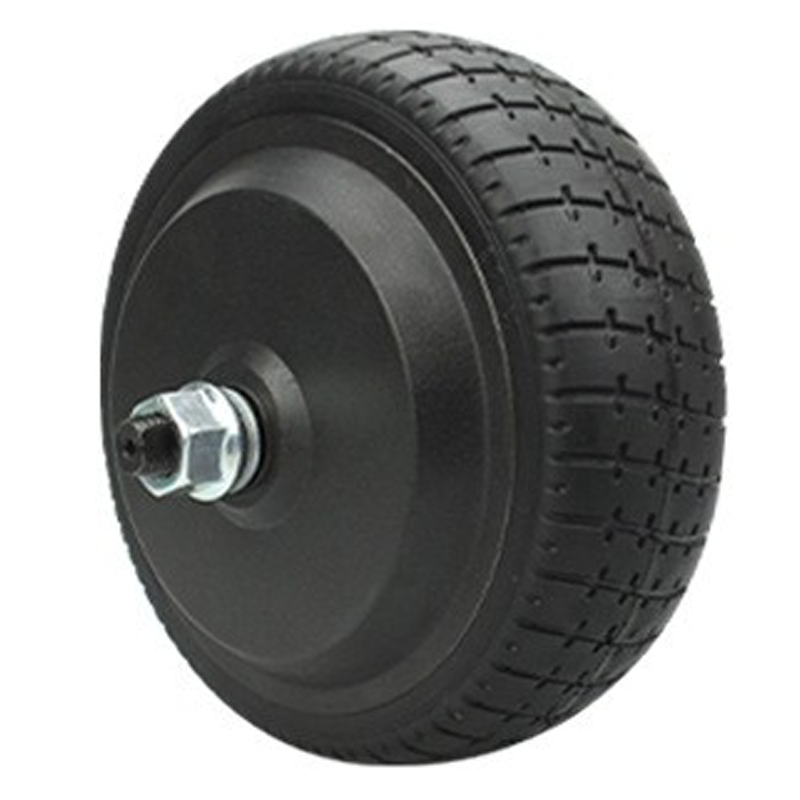
Moving beyond traditional symmetrical bearing setups, the single-side pressing shaft design emerges as an effective solution to reduce bearing wear and improve thermal management. This structure optimizes force distribution by applying controlled pressure on one side only, which achieves:
Case studies show that hub motors utilizing this design report a reduced failure rate within the first 12 months by approximately 25% compared to conventional counterparts.
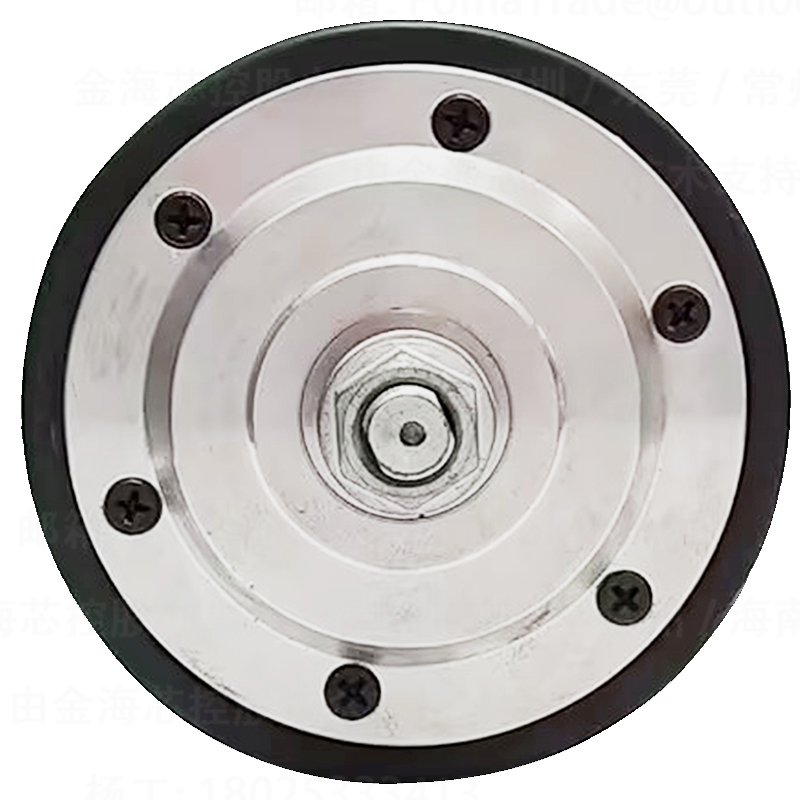
Effective day-to-day maintenance is the cornerstone of extending hub motor lifespan and avoiding unexpected shutdowns. Recommended practices include:
Using practical tools such as portable vibration analyzers and thermal imaging cameras for diagnostics will simplify inspection workflows and improve accuracy.
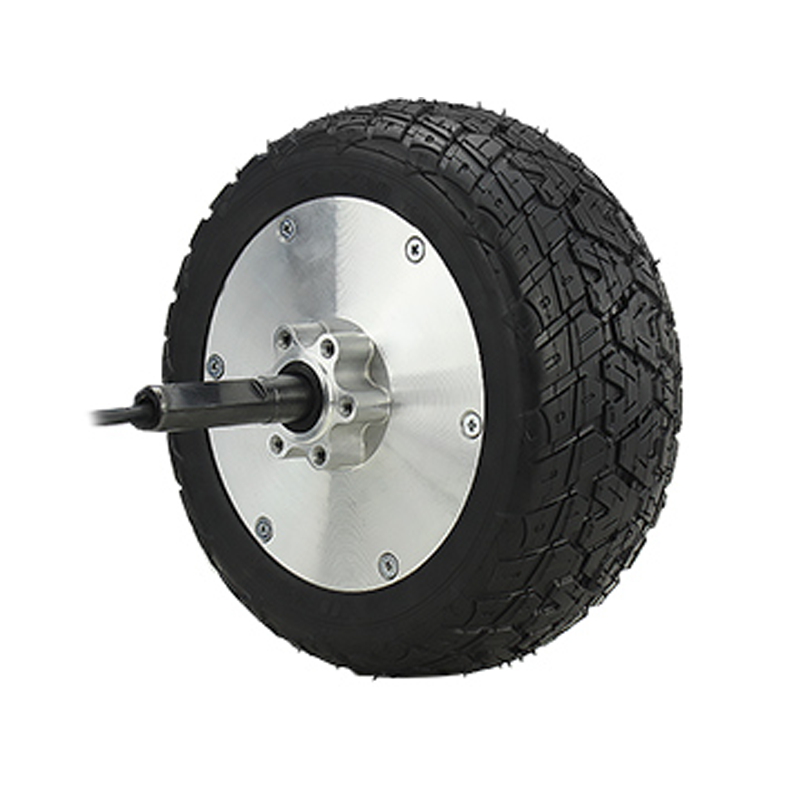
The following flow delineates a recommended failure diagnosis and repair procedure:
Maintaining detailed logs through maintenance software can also help predict future faults and plan timely interventions.
In optimizing content visibility for hub motor care and repair, focus on integrating keywords like hub motor maintenance, motor failure solutions, bearing wear repair, heat buildup prevention, and single-side pressing shaft design. These terms align with frequently searched queries by technicians and engineers, funneling relevant traffic with high engagement potential.
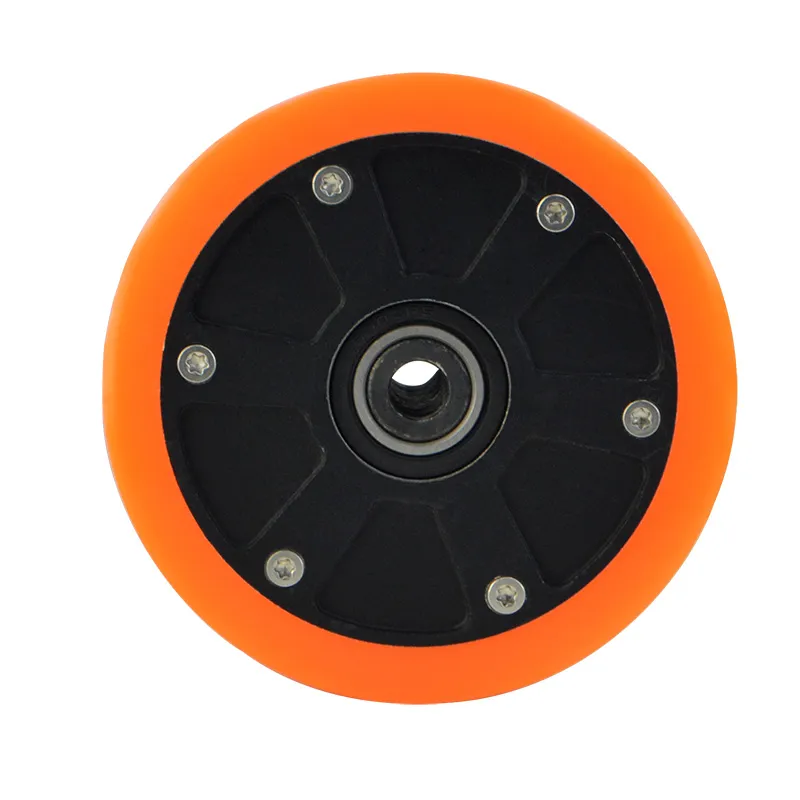
Engineered for seamless installation and enhanced torque output, the “Cyclone” hub motor combines robust reliability with cutting-edge single-side pressing shaft technology—perfect for your demanding applications.
Explore Cyclone Hub Motor Solutions

.png?x-oss-process=image/resize,h_800,m_lfit/format,webp)


