

In high-precision industrial automation systems—such as robotic arms, conveyor lines, and CNC machines—the accuracy of motor speed control is not just a performance metric—it’s a reliability requirement. A 5-inch low-speed motor with integrated Hall sensor technology has emerged as a critical enabler for stable, responsive, and efficient motion control across global manufacturing environments.
Hall effect sensors detect magnetic field changes from rotating permanent magnets embedded on the motor rotor. Unlike optical encoders, they offer robustness against dust, vibration, and temperature fluctuations common in factory settings. For a motor operating at 60–150 RPM (typical range for precision assembly), this translates to signal resolution as fine as ±0.5% deviation, enabling real-time feedback loops that reduce positional error by up to 70% compared to open-loop control systems.
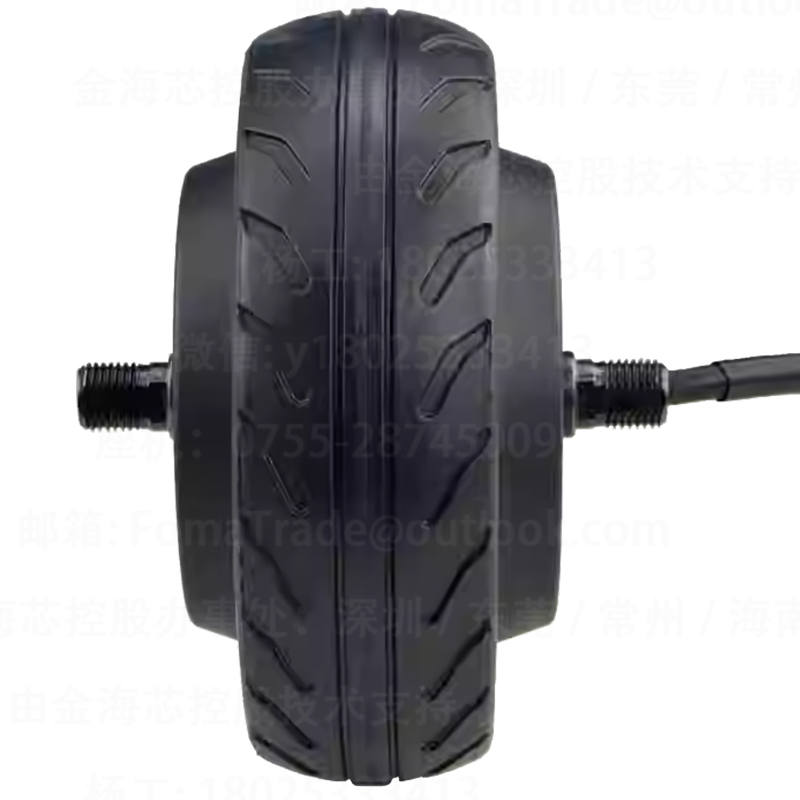
The 130mm diameter and dual-threaded shaft design of these motors aren’t just engineering choices—they’re strategic decisions to minimize backlash and torsional deflection. In one case study at an automotive parts manufacturer in Germany, switching from standard motors to this design reduced mechanical wear by 40% over 6 months of continuous operation, while also lowering audible noise levels from 68 dB(A) to 52 dB(A).
“We needed sub-millimeter repeatability in our pick-and-place robot. The Hall sensor feedback allowed us to achieve consistent positioning without costly calibration cycles.” — Dr. Lena Müller, Lead Automation Engineer, Bosch Rexroth R&D Center
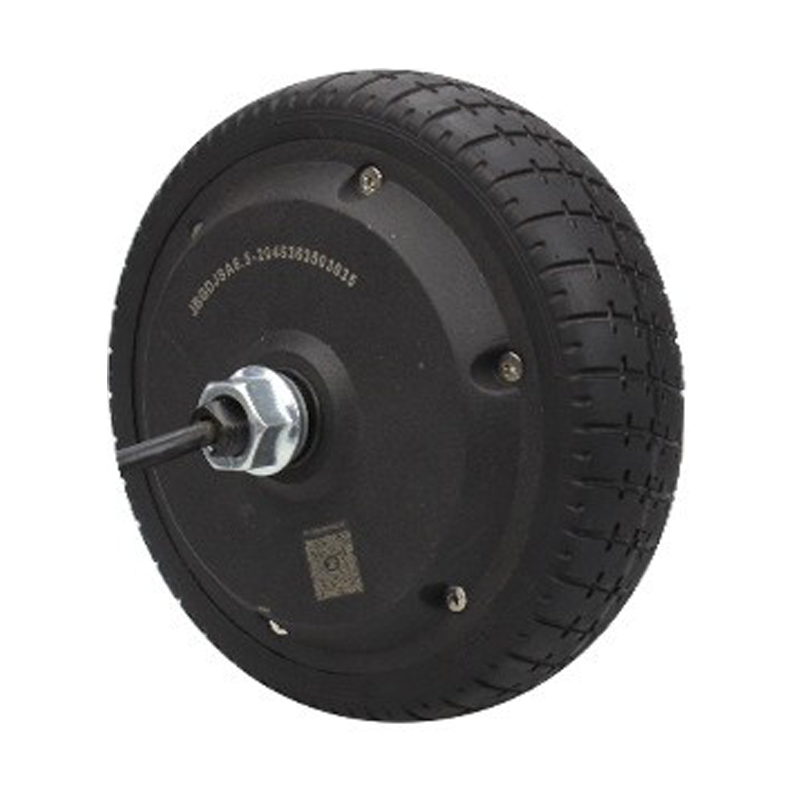
At speeds below 200 RPM, motors experience significantly less frictional heat buildup and bearing stress. This results in a measurable improvement in system uptime: studies show a 22% increase in mean time between failures (MTBF) when using optimized low-speed motors with Hall sensing. Moreover, energy savings can reach 15–20% per year due to reduced idle power draw and smoother torque delivery.
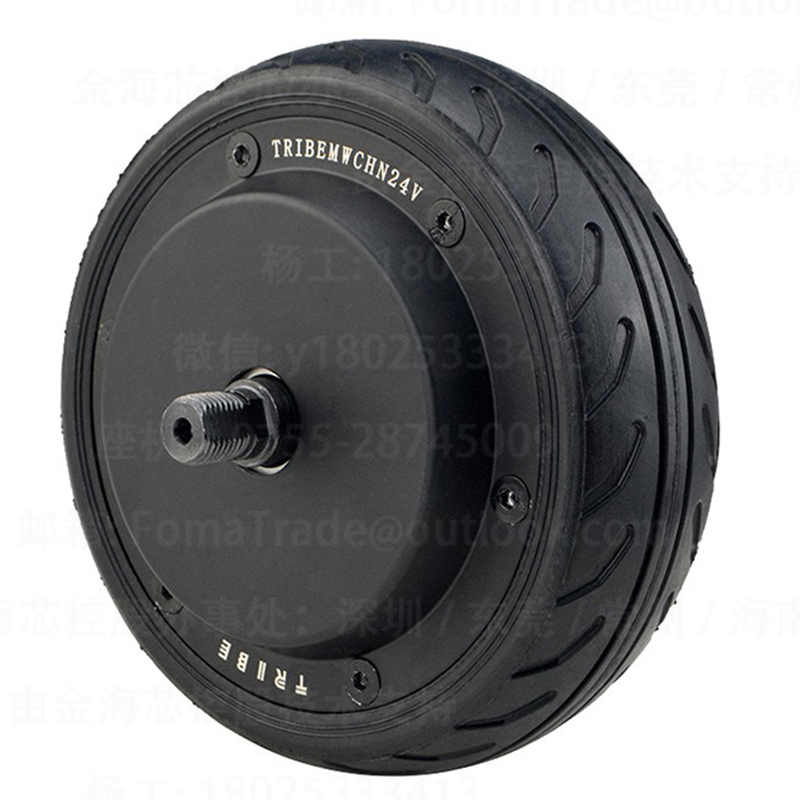
Whether you're designing a new automated workstation or optimizing existing equipment, understanding how Hall sensor integration enhances both precision and longevity is key to future-proofing your automation strategy.
Get personalized recommendations based on your application needs—from robotics to material handling—and request a free technical consultation with our engineering team.
Explore Custom Solutions Now →
.png?x-oss-process=image/resize,h_800,m_lfit/format,webp)


