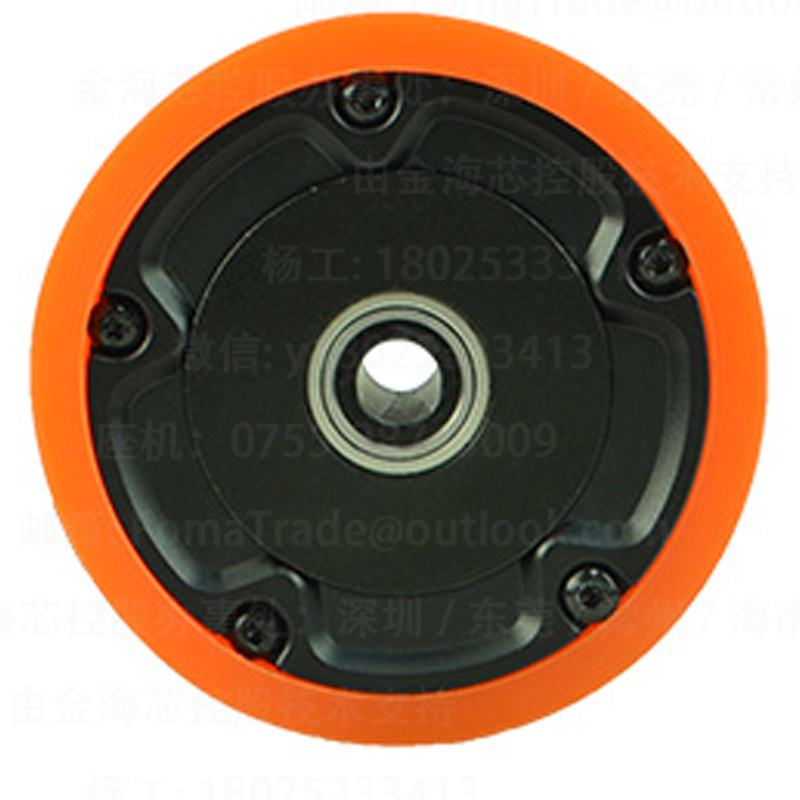
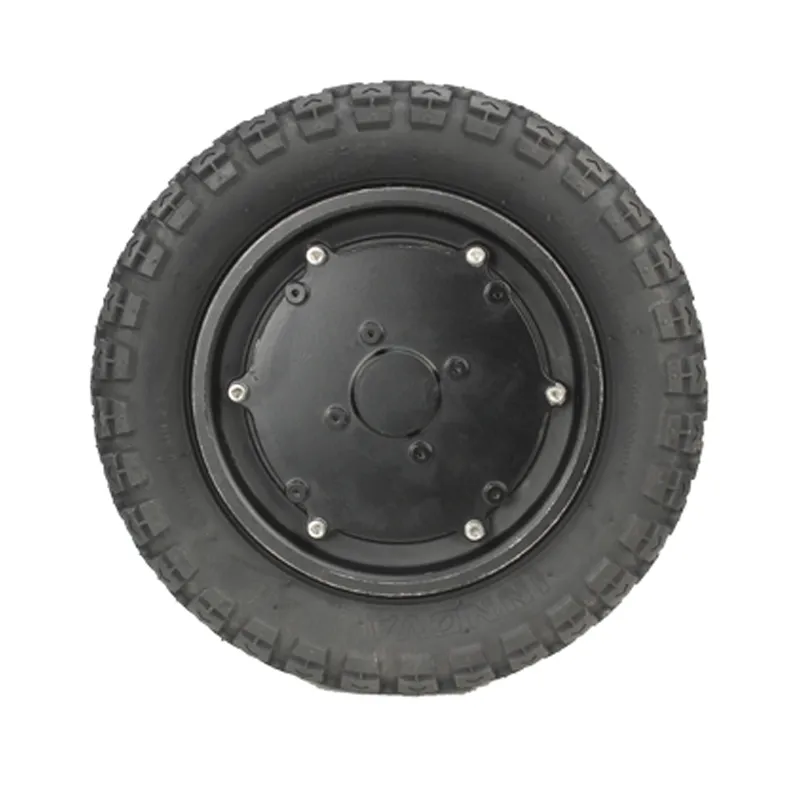
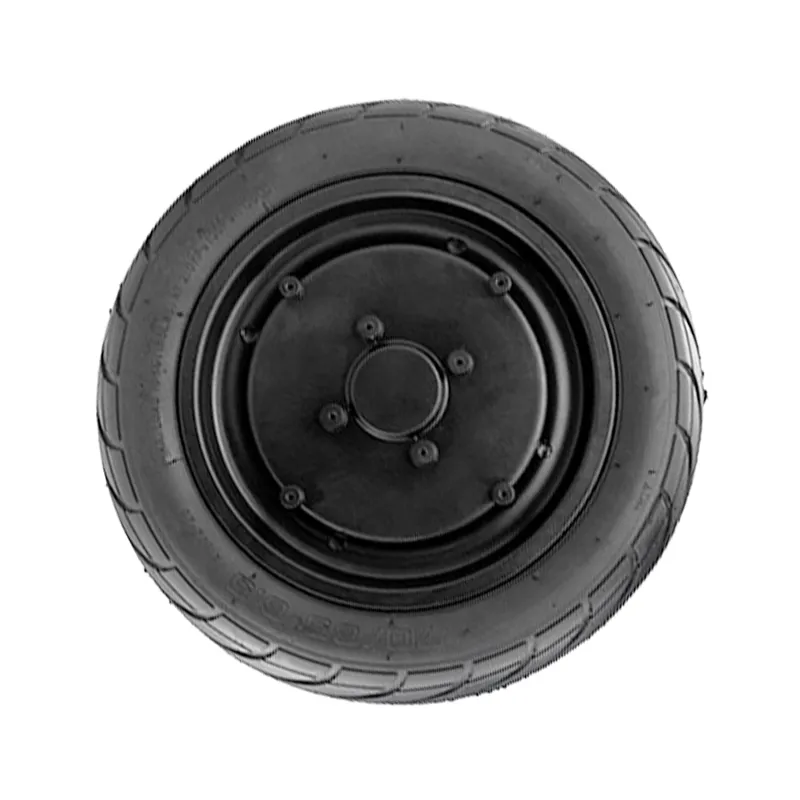
Have you ever struggled with your luggage wheels slipping on rainy streets or damp airport floors? You’re not alone. Around 90% of travelers don’t realize that most wheel slippage issues stem from design oversights rather than material softness alone. Understanding how a wheel interacts with wet surfaces can completely change your travel experience by improving safety and ease of maneuvering.
When a wheel rolls over a wet surface, a thin water film forms between the tire and the ground, significantly reducing friction—a phenomenon known as the water film effect. This drastically lowers grip, making it harder for wheels to maintain traction and causing slipping or erratic movement.
In the context of luggage or commercial cleaning equipment, inconsistent traction can not only compromise mobility but also introduce safety hazards, especially in crowded or uneven environments.
The core principle behind improved wet traction is efficient water displacement. Just like road drainage systems prevent flooding by channeling rainwater away, tread grooves on wheels act as micro-channels that evacuate water from the contact patch.
By strategically integrating these grooves into the PU (polyurethane) tire surface, the design reduces the water film's thickness and eliminates slip-causing hydroplaning effects. This ensures a larger, more stable contact area between the wheel and the floor.
This technology is especially vital in the design of 4-inch motorized PU tires used in smart luggage and commercial cleaning machines, which regularly encounter wet, uneven, or cluttered surfaces.
For automatic follow-me luggage systems, wheels equipped with water-channeling grooves enable smoother, safer navigation across puddled sidewalks, rain-soaked terminals, and busy airports. Similarly, cleaning robots operating in wet, soapy environments benefit from enhanced grip, reducing slip risks and task interruptions.
Moreover, these grooved PU wheels exhibit exceptional durability, resisting wear and aging better than traditional smooth tires — providing longer lifespan despite demanding usage.
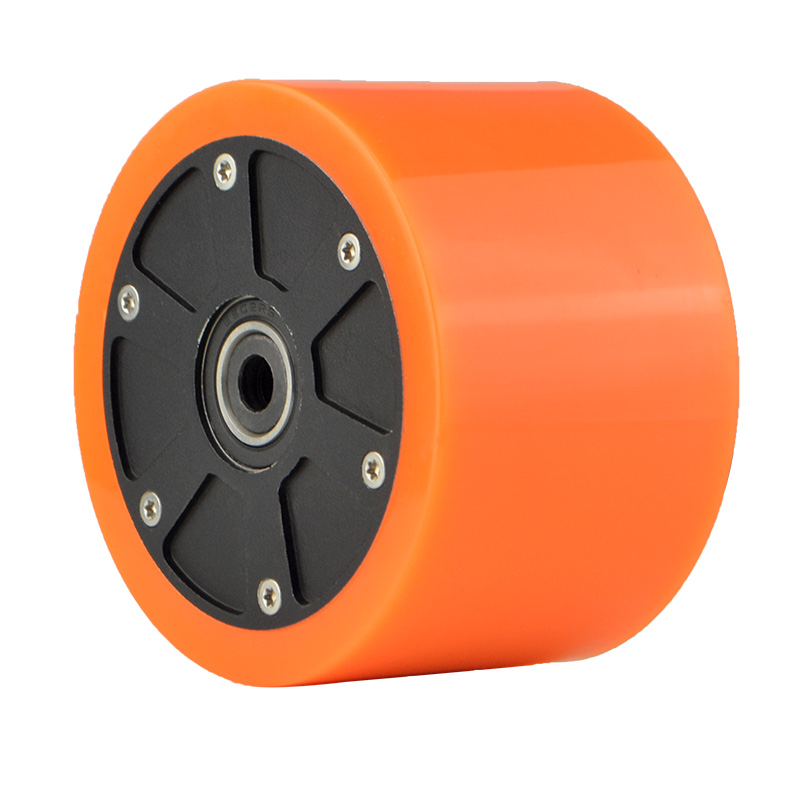
Beyond grip, the design optimizes installation processes through standardized mounting interfaces, reducing maintenance time and costs. Combined with the PU tread’s resistance to abrasion and aging, this ensures consistent performance across various climates and extended operational cycles.
You might wonder—how can I tell if my luggage wheels are vulnerable to slipping in wet conditions?
Quick Quiz: Are Your Wheels Slip-Resistant?
Does your current luggage struggle on wet floors?
Are the tires smooth without visible grooves or channels?
Does the wheel feel unstable or “fishy” when rolling on damp surfaces?
If you answered ‘Yes’ to one or more, your wheels might benefit financially and safety-wise from specialized tread groove designs.
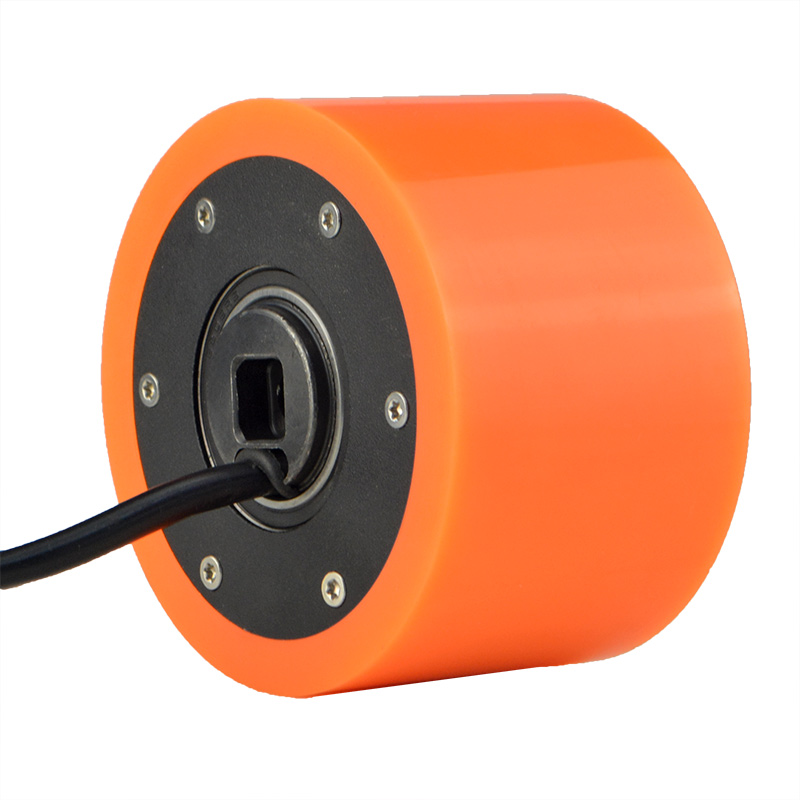
Better tread design might not be the first feature that comes to mind when buying smart or automated luggage, but it plays a crucial role in reliability and user confidence, especially in unpredictable weather conditions.
Investing in wheels that intelligently manage water accumulation guarantees safer movement, longer product life, and ultimately, a smoother journey or workday.