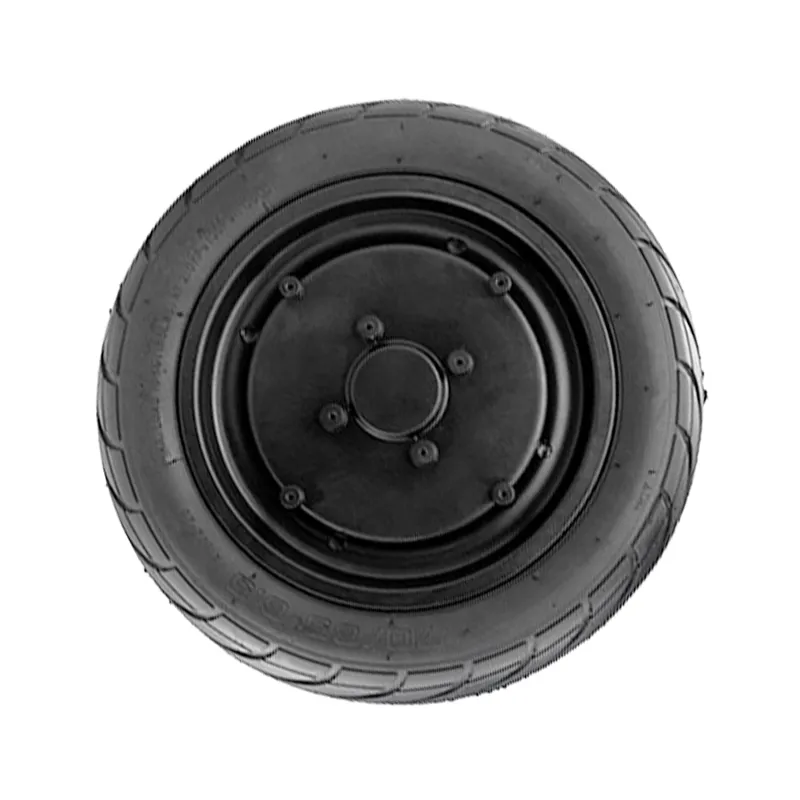
If you're a frequent camper or run an electric camping trailer business, one issue can ruin your entire trip — sudden power loss from the motor. According to industry data, over 43% of electric trailer breakdowns are caused by poor maintenance of the drive system, especially in high-humidity or off-road conditions.
Dust, mud, and moisture accumulate quickly on the motor casing — especially around the dual-threaded shaft joints common in 6.5-inch motors used in premium trailers. Use a soft brush and mild detergent to clean surfaces monthly, but do a quick wipe-down after every 2–3 trips. This simple step prevents corrosion that leads to torque loss and premature wear.
Pro Tip: Never use high-pressure water jets directly on motor connections — they can force water into seals and damage internal components. Stick to low-pressure rinsing with a spray bottle for precision cleaning.
The double-threaded design on many electric camping motors (like those from leading OEMs) is prone to loosening due to vibration. A loose connection = reduced efficiency + overheating risk. Use a torque wrench set at 7–9 Nm to ensure proper tightness without over-tightening.
Common Mistake: Many users assume “tighter = better.” That’s not true here — over-tightening strips threads or damages the aluminum housing. Always refer to the manufacturer’s manual for exact specs.
Apply a lightweight lithium-based grease to gears, bearings, and universal joints. This reduces friction and keeps moving parts running smoothly even under heavy load. For frequent users, consider scheduling this during seasonal storage — it's a great time to inspect everything else too.
Safety Note: Wear gloves when handling greases — some contain additives that may irritate skin. Also, avoid applying lubricants near brake systems or electrical contacts.
These three steps aren’t just about fixing problems — they’re about preventing them before they happen. In fact, fleets that follow a structured maintenance plan report up to 60% fewer service calls per year compared to those who don’t.
Want more? We’ve helped over 300+ B2B clients optimize their trailer motor maintenance programs. Whether you're sourcing motors for mass production or building a custom solution, our engineering team can help tailor your specs to match real-world usage — from desert climates to coastal environments.