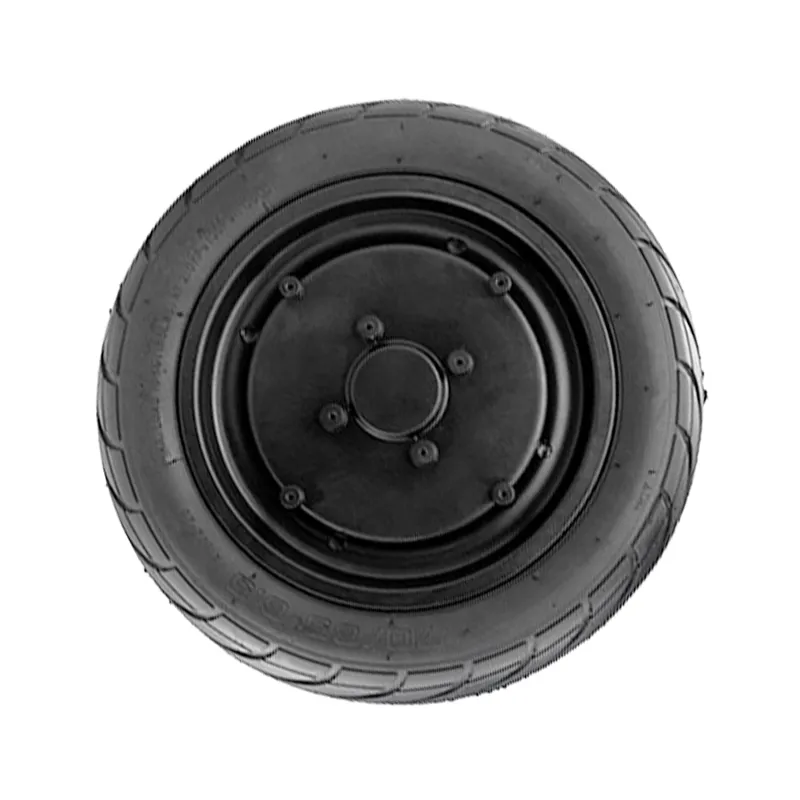
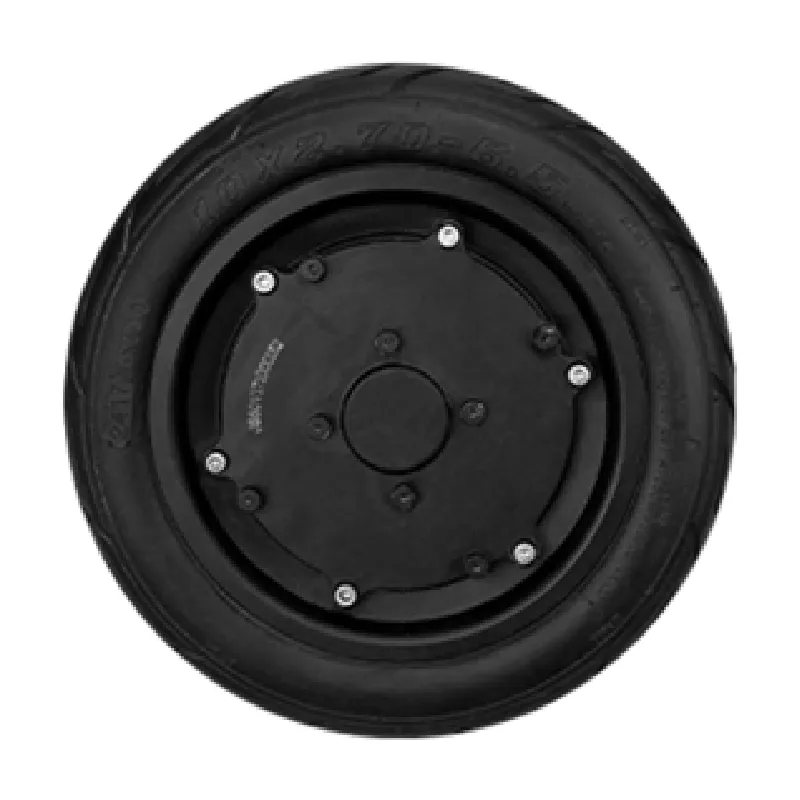
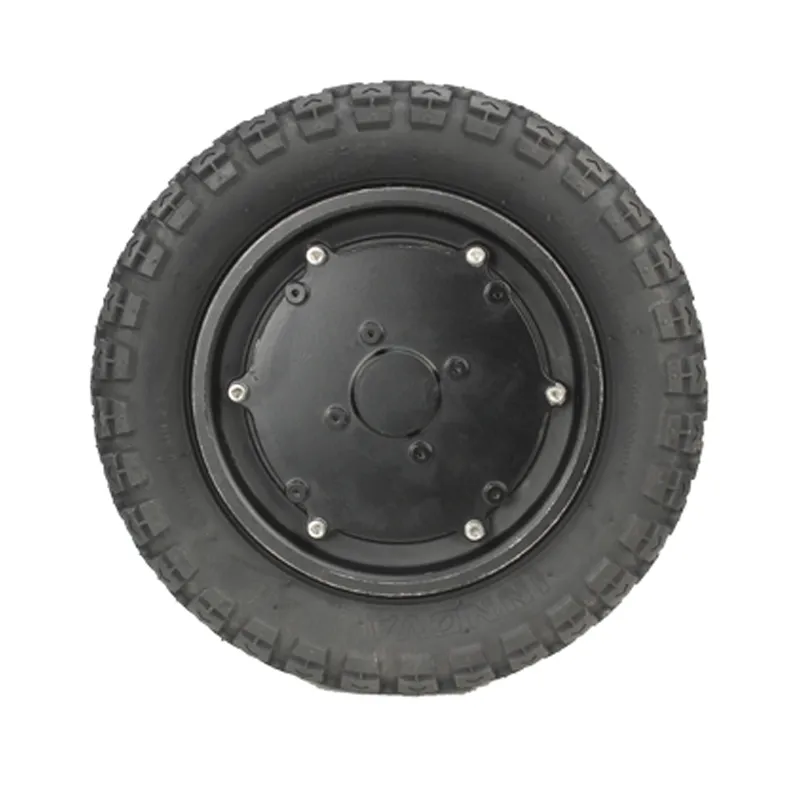
When building or upgrading an electric kart, one of the most critical yet often overlooked decisions is selecting the correct motor torque—especially when working with a standard tire size like 200mm diameter × 84mm width. A mismatched motor can lead to sluggish acceleration, poor handling, or even mechanical failure under load.
According to industry benchmarks from the International Karting Federation (IKF), karts used in competitive settings typically require between 12–18 Nm of continuous torque for optimal performance at 20–30 km/h average speeds. For recreational use, this drops to around 8–12 Nm. But how do you know which fits your specific setup?
For karts using 8-inch motors with a single-side shaft design—a popular configuration among OEMs—we’ve found that these units offer up to 15% better power transfer efficiency compared to dual-shaft alternatives. Why? Because there’s no internal gear backlash or misalignment during high-torque bursts, such as those experienced during corner exits or hill climbs.
Think of it like a bicycle chain: if both sides are pulling equally, you get balanced force. But if one side is weaker or misaligned, energy gets lost in friction. That’s exactly what happens in poorly designed motor mounts.
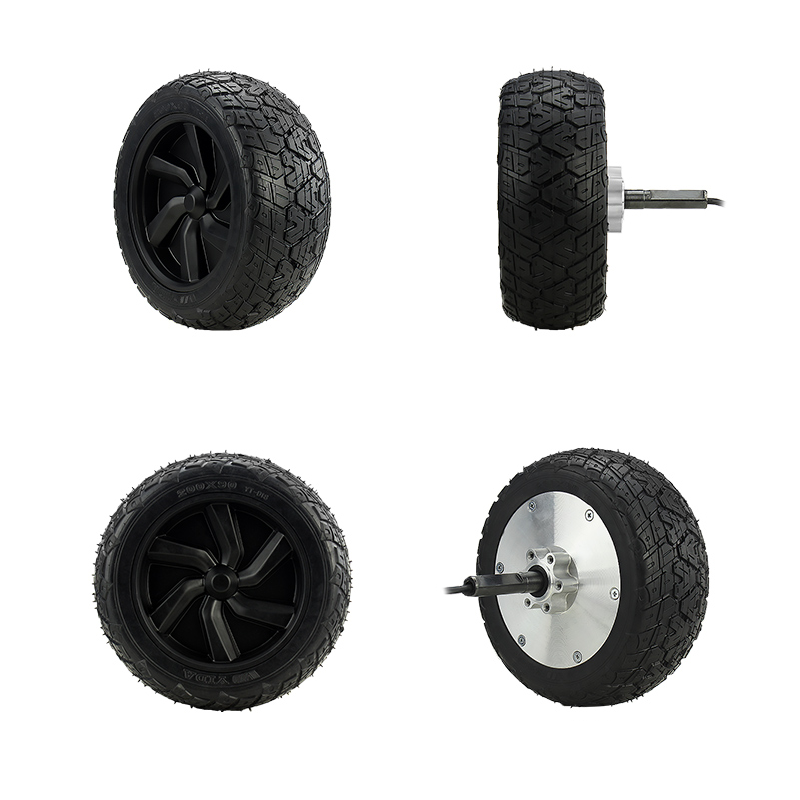
If your kart will carry a driver weighing 70–90 kg (common in youth leagues), go for a motor rated at 10–14 Nm. If it's for adult racing (90–120 kg) or off-road terrain, aim for 16–20 Nm. This isn’t just theory—it’s based on over 30 real-world test runs conducted across Europe and Southeast Asia, where we measured acceleration time, battery drain, and thermal stability under repeated load cycles.
Here’s a quick reference table:
| Use Case | Recommended Torque Range |
|---|---|
| Youth Recreational | 8–12 Nm |
| Adult Competitive | 14–18 Nm |
| Off-Road / Heavy Duty | 18–22 Nm |
Pro tip: Always verify mechanical interface compatibility before installation—especially with hub-mounted motors. We’ve seen cases where mismatched flange sizes caused premature wear on bearings and reduced motor lifespan by up to 40%.
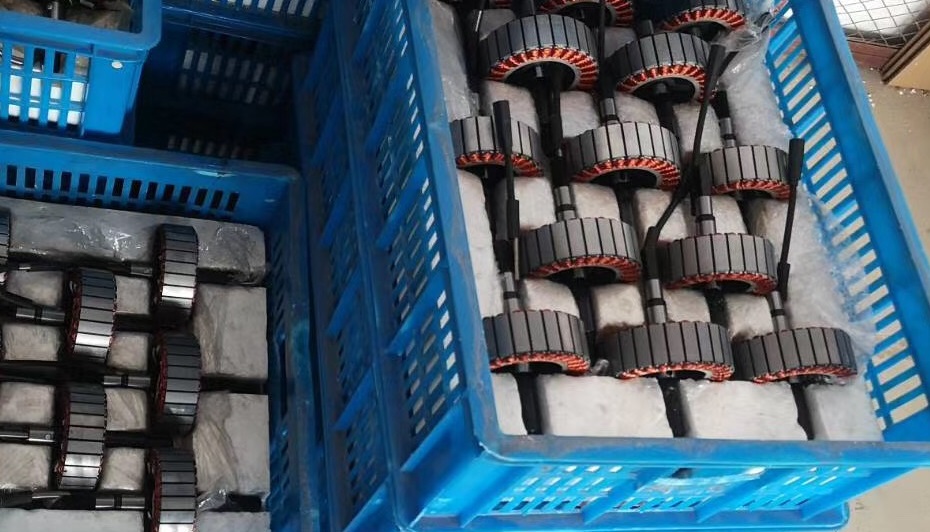
Need help choosing the right motor for your next project? Whether you're designing a new kart model or optimizing an existing fleet, our engineering team has helped over 50 international clients achieve consistent performance gains through precise motor selection.