

You rely on your in-wheel motor system for consistent and efficient mobility, but like any mechanical marvel, these systems require precise care to avoid unexpected failures. How often have you faced issues like reduced power output, noisy bearings, or structural looseness? This guide dives deep into the four prevalent pain points affecting in-wheel motors — bearing wear, heat accumulation, power degradation, and structural loosening — and equips you with actionable maintenance techniques to keep your device running longer and smoother.
A detailed diagnosis starts with recognizing the symptoms early. Bearing failures often show as abnormal noise due to uneven wear from debris or lubrication loss, which can accelerate mechanical fatigue. Thermal build-up inside the motor typically results from continuous high-load conditions, leading to insulation breakdown and shortened component life. Power output reduction might stem from electrical inefficiencies or winding degradation, impacting performance and user safety. Lastly, structural loosening — often overlooked — causes vibrations that compromise both comfort and system integrity.
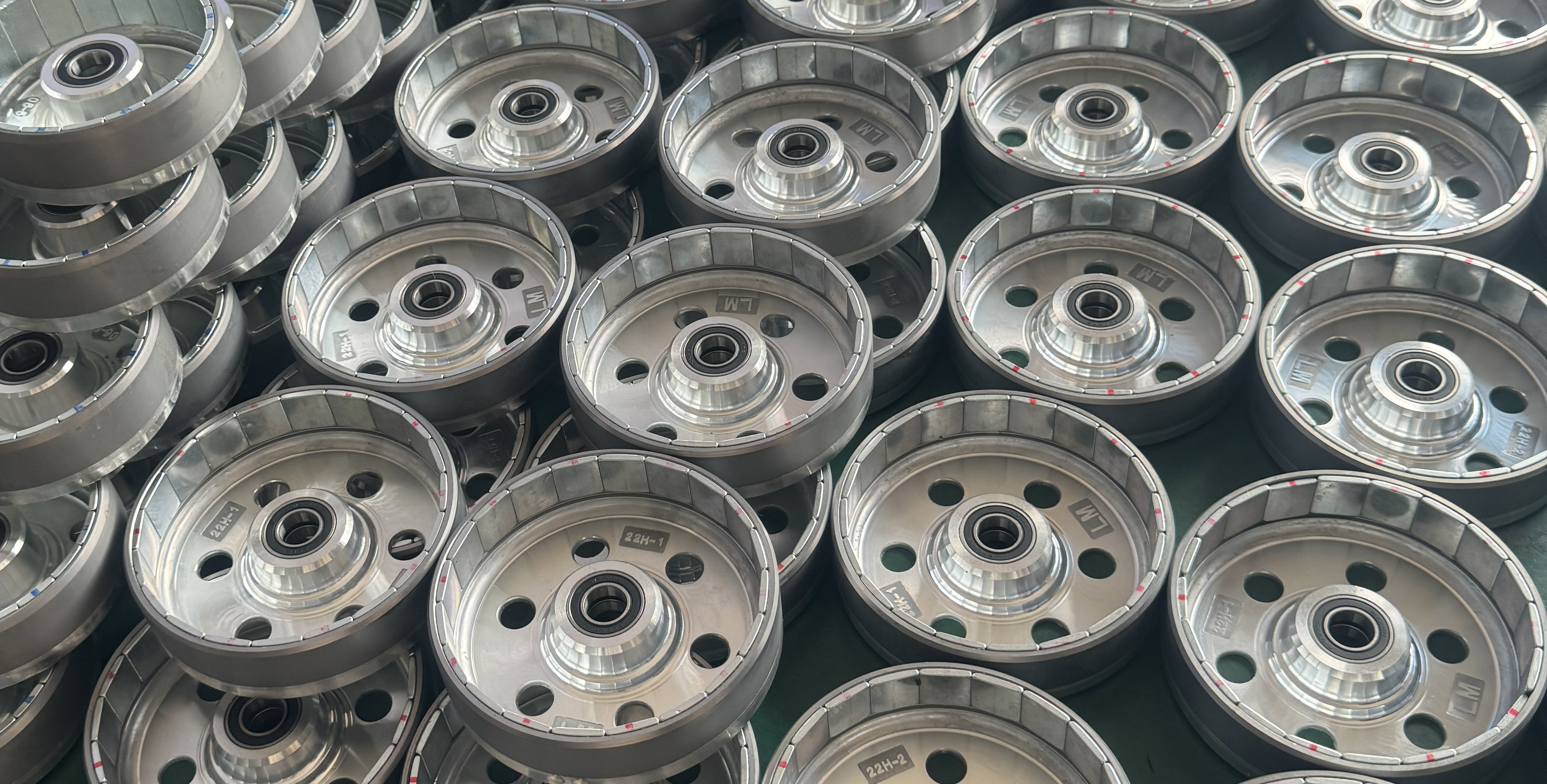
Taking the 8-inch long-shaft motor “Cyclone Model” as a case study, engineers have introduced a single-side axial preload mechanism. This design technique minimizes stress concentration within the motor hub, distributing loads more evenly and reducing wear on critical components. The outcome? Enhanced resistance to mechanical fatigue and significantly extended operational lifespan — a technical breakthrough shaping industry standards.
To maintain optimal performance, implement a scheduled inspection regime. Key checkpoints include:
Utilizing tools like infrared thermometers, micrometers, and vibration analyzers can enhance accuracy and early issue detection. Incorporating simple flowcharts for routine checks can streamline maintenance workflows for teams.
Consider a fleet operator who integrated these maintenance strategies and observed the following within 12 months: 25% fewer bearing replacements and a 15% increase in motor uptime. Visual aids like inspection checklists and fault diagnosis flowcharts not only simplify understanding but also empower technicians to perform self-guided repairs confidently.
Tip: Keep a maintenance log documenting symptoms and actions. This habit enhances troubleshooting efficiency and informs future component upgrades.

.png?x-oss-process=image/resize,h_800,m_lfit/format,webp)


