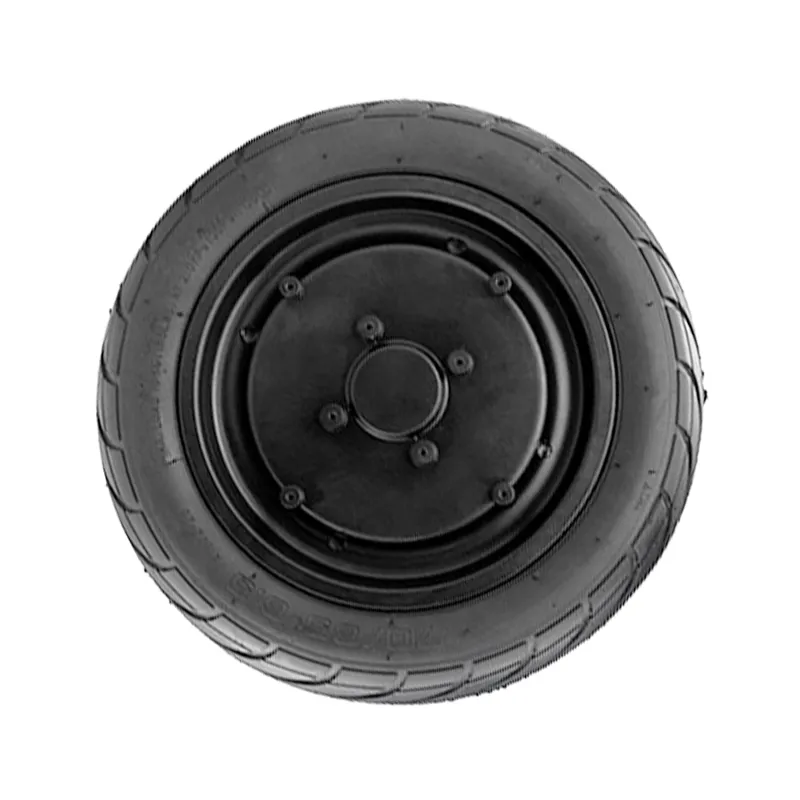
Implementing Customized Low-Voltage E-Powertrain Systems: A Project Breakdown from Customer Needs to Product Matching
This page explains how Shenzhen Jinhaixin Holdings Co., Ltd implements customized low-voltage e-powertrain (three-electric) systems through a practical project breakdown: requirement collection, application scenario assessment, product combination matching, testing & validation, and delivery coordination—helping B2B customers build confidence in collaboration.
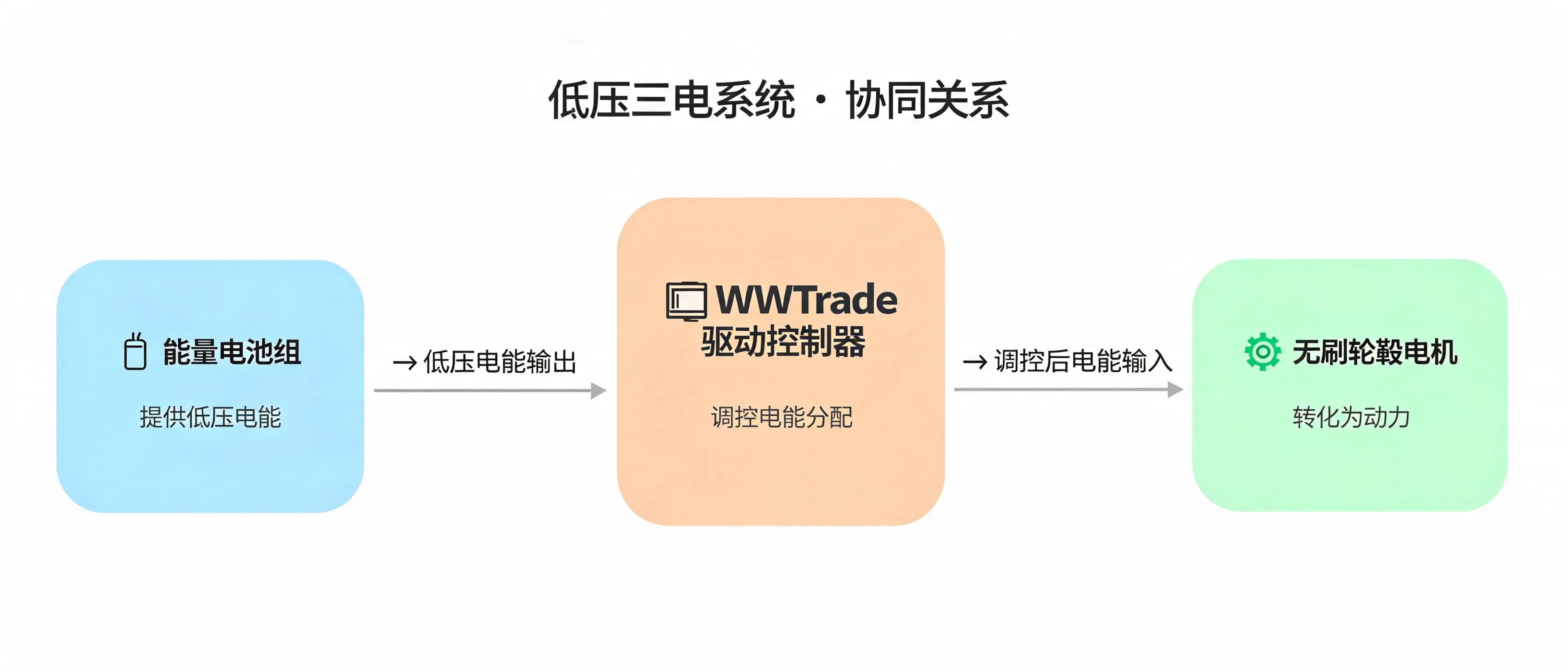
Customized low-voltage e-powertrain (three-electric) projects often fail for one simple reason: requirements and product fit are not aligned early enough. This page explains how Shenzhen Jinhaixin Holdings Co., Ltd implements customization in a project-based way—so OEM/ODM and B2B teams can evaluate collaboration clearly and reduce iteration risks.
Scope covered: requirement collection → application scenario assessment → product combination matching (hub motor + drive controller + battery pack) → testing & validation → delivery coordination.
Who this workflow is for
- OEM/ODM projects needing low-voltage three-electric integration
- Teams selecting a supplier for hub motors, controllers, and battery packs
- Programs requiring customization and controlled handoffs
How customization is implemented: a practical project breakdown
Shenzhen Jinhaixin Holdings Co., Ltd is an integrated industry-and-trade enterprise focusing on low-voltage three-electric system design, R&D, customization, manufacturing, and sales, with production bases in Shenzhen, Dongguan, Changzhou, and Hainan. In customized projects, we treat the work as an end-to-end implementation flow rather than a single product quote—because system-level fit determines performance, stability, and delivery readiness.
Step 1 — Requirement collection (what must be true)
We start by translating your inputs into engineering-ready requirements. The goal is to avoid ambiguous assumptions that later cause mismatches between motor/controller/battery selection and the actual application.
- Application context: intended use-case, operating environment, duty cycle expectations
- System boundaries: low-voltage constraints, packaging/space constraints, interface expectations
- Collaboration model: OEM/ODM responsibilities, documentation needs, change-control approach
Decision point: confirm what is must-have vs. negotiable, so the product combination matching phase remains efficient.
Step 2 — Application scenario assessment (what will stress the system)
Next, we evaluate scenario-driven risks that affect low-voltage three-electric system design choices. This step ensures the solution is built for real operating conditions—not only lab assumptions.
- Thermal and load patterns tied to duty cycle and usage rhythm
- Environmental factors (e.g., temperature range, vibration, moisture exposure) as provided by the customer
- Integration constraints affecting mechanical, electrical, and harness routing feasibility
Step 3 — Product combination matching (hub motor + controller + battery pack)
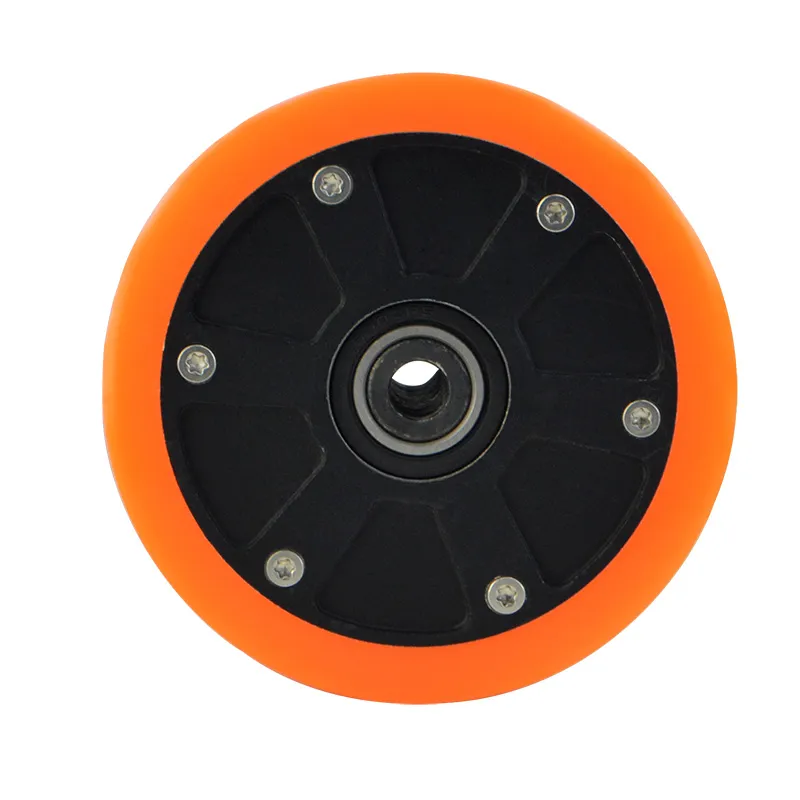
Based on the confirmed requirements and scenario assessment, we propose a low-voltage e-powertrain combination that aligns the three core components: brushless hub motor, drive controller, and energy battery pack.
| Component |
Matching focus |
Typical collaboration outputs |
| Brushless hub motor |
Mechanical fit, load characteristics, thermal expectations, interface constraints |
Selection rationale, interface confirmation, customization items definition |
| Drive controller |
Control strategy fit, communication/interface alignment, protection logic needs |
Parameter/feature alignment checklist, integration handoff points |
| Energy battery pack |
Voltage platform fit, packaging constraints, safety boundaries (as specified), coordination with controller |
Pack definition, interface expectations, validation plan alignment |
Why combination matching matters
A low-voltage three-electric system behaves as a coupled set. Early alignment reduces late-stage redesign of wiring, packaging, parameters, and test scope.
What we avoid
Over-promising outcomes without validated inputs. Selection and customization are driven by confirmed requirements and agreed verification steps.
Step 4 — Testing & validation (prove fit before scale)
After the proposed configuration is confirmed, testing and validation are planned and executed to verify fit against agreed requirements. This phase is designed to build confidence before moving into broader production coordination.
- Verification plan alignment: define what will be tested, methods, and acceptance criteria (project-specific)
- Integration checks: verify component compatibility within the hub motor–controller–battery pack system boundary
- Issue tracking and iteration: controlled changes, documentation of updates, and retest triggers
Our objective is not to claim universal performance—it's to
validate the agreed product fit under your defined use conditions and acceptance criteria.
Step 5 — Delivery coordination (handoffs that prevent surprises)
Delivery readiness for customized low-voltage three-electric systems is achieved through clear handoffs across specification confirmation, documentation alignment, and production coordination. As an integrated enterprise, Shenzhen Jinhaixin coordinates across its manufacturing footprint to support stable execution.
- Configuration freeze and change-control checkpoints
- Quality management alignment for incoming, in-process, and outgoing checks (project-defined)
- Packaging, labeling, and shipment coordination to match customer receiving workflows
What customers typically prepare to accelerate matching
To shorten the requirements-to-product matching cycle, B2B teams usually provide the following. If some items are unknown, we can still proceed with assumptions—provided they are explicitly documented and confirmed.
Business & application inputs
- Use-case description and operating profile
- Target timeline and project stage (evaluation / prototype / pilot / production)
- OEM/ODM responsibilities and communication owners
Technical boundary conditions
- Low-voltage platform constraints and interface expectations
- Mechanical packaging constraints and installation conditions
- Validation expectations and acceptance criteria (if predefined)
Compliance & documentation needs
- Required documentation format for handoffs and internal reviews
- Special labeling, packaging, or receiving requirements
- Change-control preferences and approval workflow
Working with Shenzhen Jinhaixin: what stays consistent
- Customer-centered execution: we prioritize clarity of requirements, decision points, and handoffs over broad claims.
- Quality mindset: projects are implemented with quality management alignment to support stable, reliable outputs.
- Customization capability within scope: our core product families—brushless hub motors, drive controllers, and energy battery packs—enable system-level matching for low-voltage three-electric integration.
- Efficient coordination: streamlined communication reduces mismatch risk and supports smoother delivery preparation.
Next step: align on your use case and matching plan
If you are evaluating a supplier for a customized low-voltage e-powertrain (three-electric) system, Shenzhen Jinhaixin can follow the workflow above to move from requirements to product combination matching, then through testing & validation and delivery coordination—helping your team make decisions with clearer inputs and fewer late-stage changes.

.png?x-oss-process=image/resize,h_800,m_lfit/format,webp)