What Technical Data to Prepare Before Custom Low-Voltage E-Powertrain Development
Shenzhen Jinhaixin Holdings Co., Ltd outlines the key technical documents, parameters, and application details B2B buyers should prepare before starting a custom low-voltage e-powertrain (motor, controller, battery) development project—improving requirement clarity, supplier communication efficiency, and solution fit.
Custom low-voltage e-powertrain projects (typically combining a motor, drive controller, and battery pack) move faster and fit better when requirements are clear from day one. This page provides a practical technical information checklist for B2B teams to prepare before starting a custom development discussion—helping reduce back-and-forth and improve solution matching.
Who this checklist is for: product managers, R&D, purchasing, and engineering teams preparing to communicate requirements to a supplier.
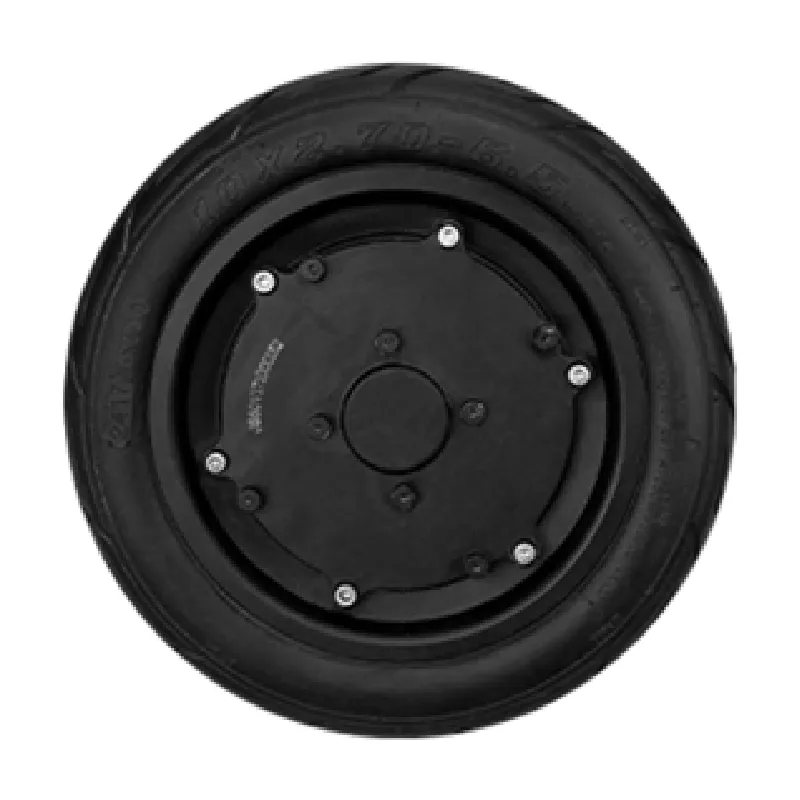
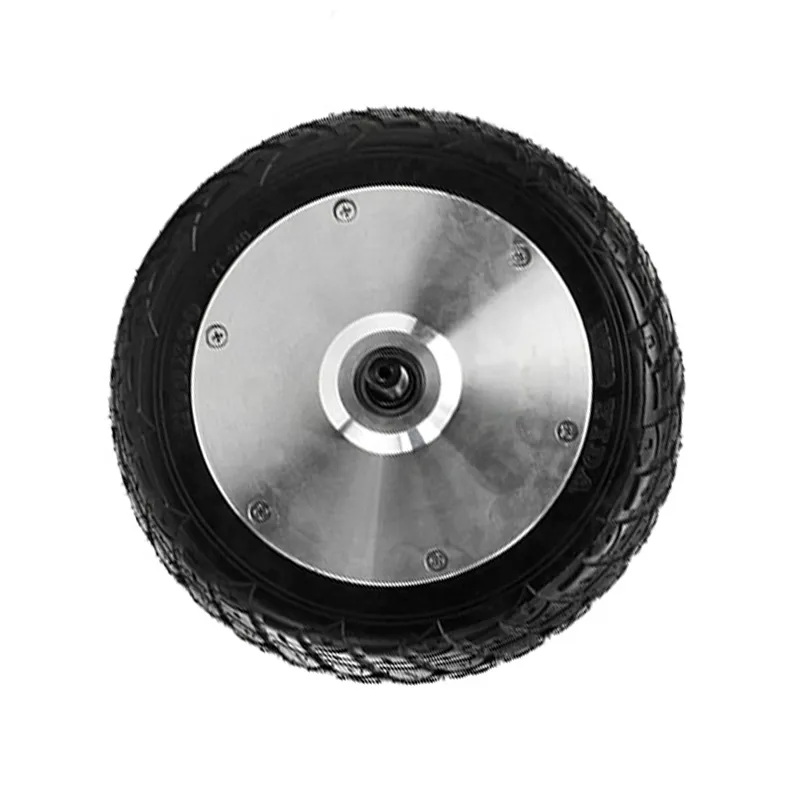
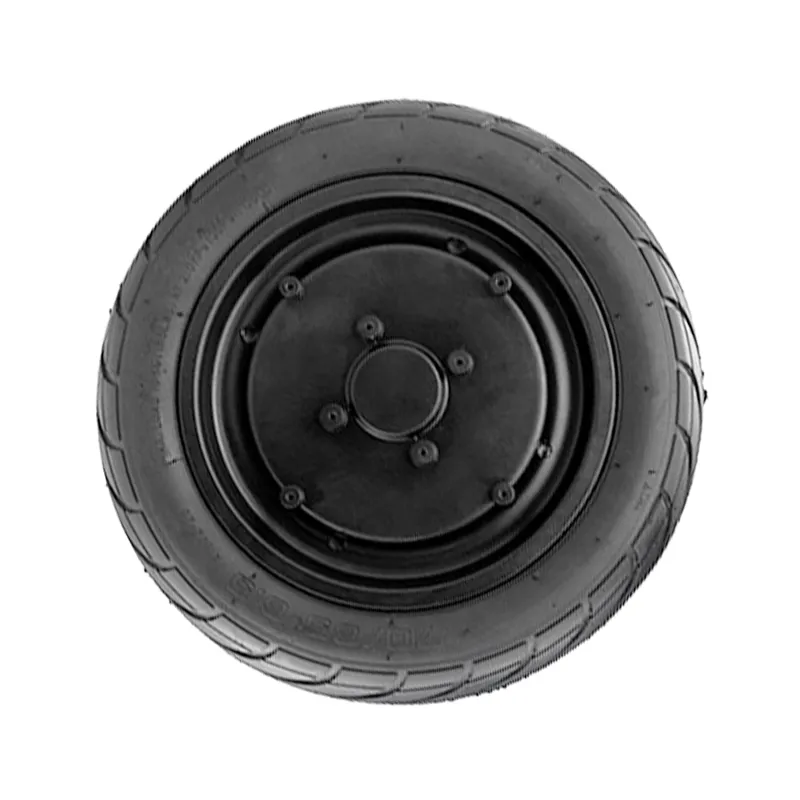
Brand context: Shenzhen Jinhaixin Holdings Co., Ltd provides low-voltage e-powertrain design and customization services, including BLDC hub motors, drive controllers, and energy battery packs.
1) Project & Application Scenario (Start Here)
A concise scenario definition prevents parameter mismatches later. Share as much as is known—even preliminary assumptions are useful if labeled as “target” or “TBD”.
- End product type: e-bike / scooter / AGV / small EV / industrial equipment / other low-voltage platform.
- Use environment: indoor/outdoor, dust/water exposure, salt fog, altitude, temperature range, storage conditions.
- Duty profile: typical route or task cycle, start-stop frequency, continuous run time, peak events.
- Key loads & constraints: payload, slope grade, target speed range, available installation space.
- Target timeline: sample dates, pilot build, mass production window, expected annual volume (if available).
2) Performance Targets (What “Good” Looks Like)
Vehicle / System-Level Targets
- Speed & acceleration targets (with load condition stated).
- Gradeability (e.g., sustained slope %, distance/time).
- Range / energy consumption expectation (test method or assumptions if any).
- Noise & ride feel requirements (if relevant).
Critical Notes for Clear Targeting
- Separate continuous vs peak requirements (power/torque/current).
- State test conditions: ambient temperature, load, tire size, gearing (if any), battery SOC window.
- If targets are “must-have” vs “nice-to-have”, label them to speed trade-off decisions.
3) Electrical Architecture & Interfaces
Provide the planned electrical architecture so the motor, controller, and battery pack can be matched as a system.
| Module |
Information to Prepare |
| Battery pack |
Target voltage class (nominal/min/max), capacity target, peak/continuous discharge current, charge method, BMS needs (protections, balancing), connector type, fuse strategy, packaging constraints. |
| Drive controller |
Supply voltage range, phase current limits, control method/inputs (throttle, torque request, speed request), communication interface needs (if applicable), regen strategy (if needed), sensor compatibility. |
| Motor (BLDC hub or other) |
Rated/peak power targets, speed range, torque requirement, sensor type (Hall/sensorless), phase wiring, insulation expectations, temperature sensing needs. |
| System wiring |
Harness layout constraints, connector preferences, cable length limits, EMC considerations, grounding strategy, serviceability requirements. |
Tip: If you already have a preliminary wiring diagram, interface control document (ICD), or connector list, sharing it early can significantly improve communication efficiency.
4) Mechanical Constraints & Installation Requirements
Mechanical fit and thermal margins are common sources of redesign. Provide dimensional boundaries and integration constraints up front.
- Envelope & mounting: available space, mounting points, axle/dropout details (for hub motors), tolerance expectations.
- Mass targets: any weight limits by module or for total system.
- Cooling approach: natural convection / airflow / conduction to chassis; any sealed enclosure constraints.
- Ingress protection expectation: exposure to rain, washdown, mud; sealing and venting preferences.
- Noise & vibration: constraints, expected vibration profile, mounting isolation needs.
5) Operating Conditions & Reliability Expectations
- Temperature range: operating and storage; hot start / cold start requirements.
- Humidity / corrosion conditions: coastal use, salt spray risk, chemicals.
- Lifetime expectation: duty cycles, working hours, maintenance intervals (if defined).
- Failure mode concerns: what must be prevented (e.g., thermal runaway risk management via BMS protections, stall protection behavior, over-current limits).
6) Compliance, Safety & Documentation Needs
Specify your target market(s) and any internal standards so the development path aligns with compliance and procurement requirements.
- Target sales regions/markets: where the end product will be sold or deployed.
- Required safety features: electrical protections, isolation strategy, charging protections, mechanical guarding.
- Required deliverables: drawings, BOM, test reports, interface documents, labeling requirements, packaging specifications.
- Change control: expectations for revision tracking and approval steps (helpful for stable supply).
Note: Compliance requirements vary by industry and destination. Providing the intended application and market early allows the supplier to recommend an appropriate verification plan without over-design.
7) Validation Plan (How You Will Evaluate Samples)
Align on validation methods before prototypes are built. Even a simple plan helps prevent misunderstandings about “pass/fail”.
- Bench tests: no-load, load points, efficiency mapping, controller protection behavior, BMS protection checks.
- Thermal checks: continuous operation at representative loads, hotspot monitoring, derating logic (if required).
- Integration tests: harness fit, connectors, mechanical clearances, assembly process.
- Field trials: real duty cycle verification, user experience feedback, fault log collection method.
- Acceptance criteria: what metrics must be met, what deviations are acceptable, and what triggers redesign.
8) What to Send to Start Efficient Supplier Communication
Recommended Package (Minimum)
- Scenario description + duty profile
- Performance targets (continuous vs peak)
- Voltage/current assumptions + preferred charging approach
- Mechanical envelope + mounting constraints
- Any non-negotiable compliance or documentation requirements
Helpful Attachments (If Available)
- Sketches/CAD outlines, mounting drawings, connector photos
- Existing system BOM or component references (for compatibility discussion)
- Test expectations or internal spec sheets
- Known issues from previous versions (to avoid repeating pitfalls)
Working with Shenzhen Jinhaixin: Customization Scope (Low-Voltage Three-Electric System)
As an integrated design, R&D, customization, manufacturing, and sales company, Shenzhen Jinhaixin Holdings Co., Ltd supports B2B customers across the key low-voltage e-powertrain modules: BLDC hub motors, drive controllers, and energy battery packs. By aligning technical data early, both sides can focus on engineering trade-offs and integration details instead of repeated clarification.
If you are preparing a custom development inquiry, consider organizing your information using the sections above. A structured requirement package typically enables faster feasibility review, clearer quotation scope, and smoother prototype validation planning.


.png?x-oss-process=image/resize,h_800,m_lfit/format,webp)