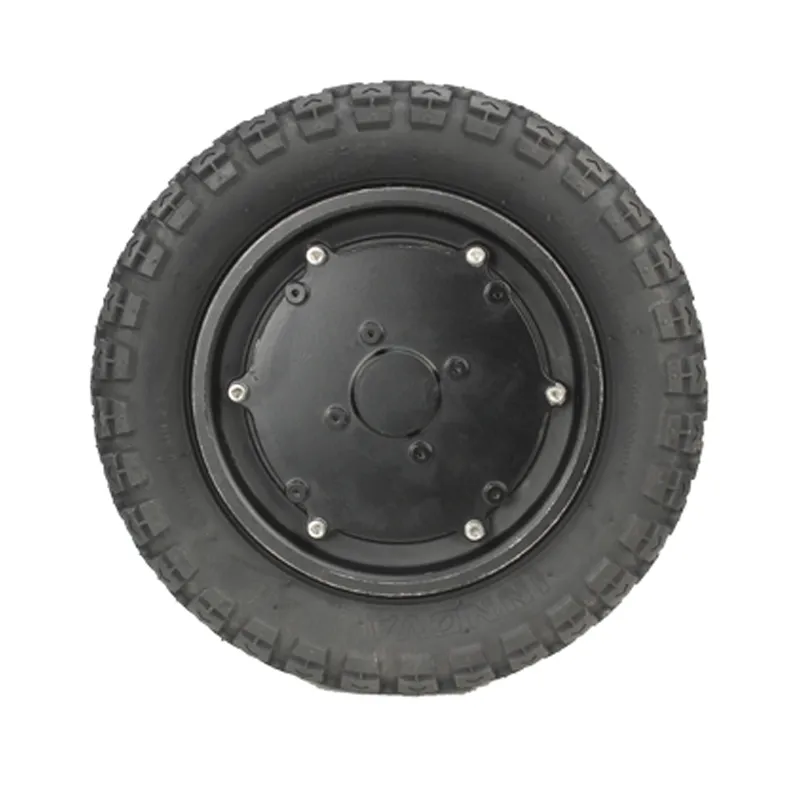
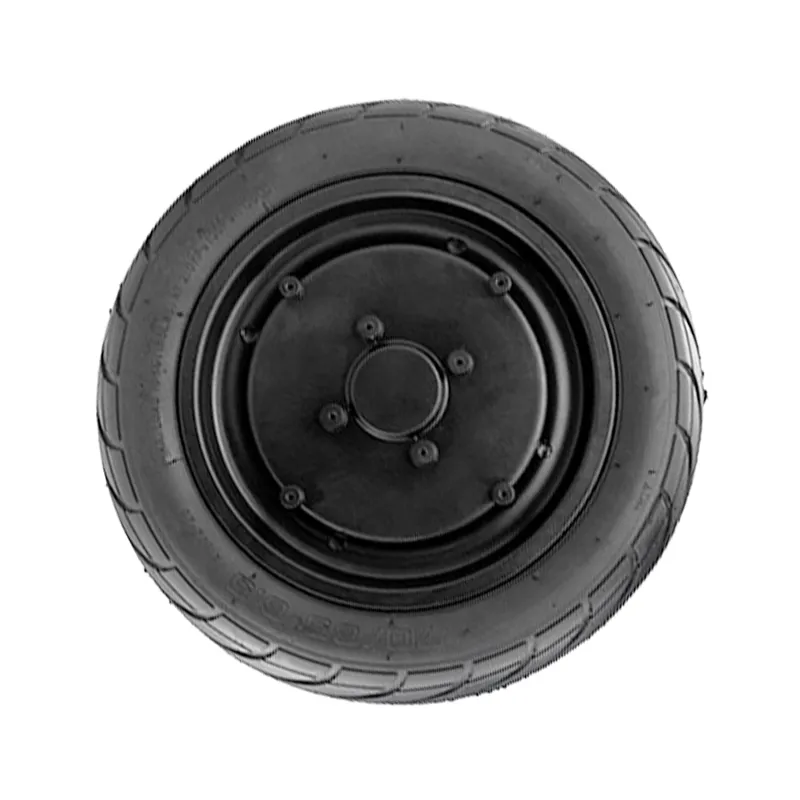
You might overlook the key engineering nuances behind why two lawn mower motors sharing the same power rating perform vastly differently in real-world operation. Some models deliver exceptional energy savings and robust torque, while others falter with overheating and mechanical jerks. This article dives deep into the fundamental design innovations of modern compact lawn mower motors, revealing how smart engineering translates into superior performance for professional landscaping businesses and equipment procurement specialists alike.
At the heart of enhanced motor performance is the single-side pressing shaft design, which significantly improves rotational stability. Traditional motors often suffer from vibration imbalances due to dual-sided shaft support that can introduce eccentric wear over time. Modern compact models concentrate axial pressure on one side, reducing mechanical play and curbing lateral oscillations by up to 30% under full load conditions as verified by industry testing.
Another groundbreaking advancement lies in the adoption of a 115mm short shaft, which repositions the motor’s center of gravity closer to the mower’s chassis core. This modification enhances balance, thereby reducing operator fatigue and improving maneuverability, especially in uneven terrains with slopes or thick, wet grass. Additionally, the short shaft is engineered with anti-jamming grooves that decrease blade entanglement incidents by approximately 25%, cutting maintenance downtime significantly.
To quantify the performance gap, motors were tested on two challenging scenarios: wet grass mowing and uphill cutting at a 15-degree incline. The compact motor delivered a sustained torque output 18% higher than traditional designs, allowing for smoother blade engagement without power dips. Correspondingly, its energy consumption dropped by an estimated 12% during continuous operation, effectively extending battery life or reducing fuel consumption for gas models.
Efficient heat dissipation underpins long-lasting durability. Modern designs integrate high-grade copper windings and thermally conductive composite housings leading to a reduction in temperature rise by nearly 20°C compared to legacy motors after 60 minutes of operation. This precise control of thermal conductivity not only protects internal components but also ensures consistent torque delivery without throttling.
How well does your current mower motor’s design align with your lawn conditions? Could revisiting core motor technologies unlock hidden efficiencies in your maintenance routine?
The edge of modern compact lawn mower motors is not just in raw specifications but in thoughtfully integrated engineering details—the single-side pressing shaft, refined short shaft geometry, premium materials, and tailored cooling solutions cooperate to deliver a smoother, more efficient, and reliable mowing experience. These elements collectively yield up to a 15-20% improvement in operational energy efficiency and torque responsiveness over traditional models.
For procurement experts and end-users alike, understanding these underlying design principles transforms purchasing decisions from superficial power comparisons into strategic investments in productivity and sustained operational cost savings.
Discover High-Efficiency Lawn Mower Motors Designed for Your Needs.png?x-oss-process=image/resize,h_800,m_lfit/format,webp)