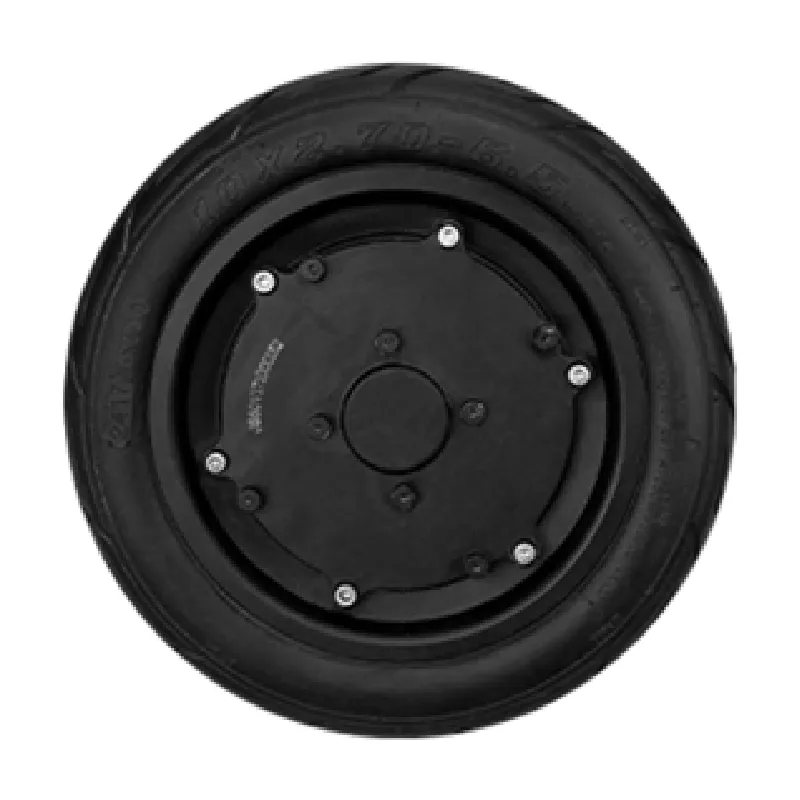
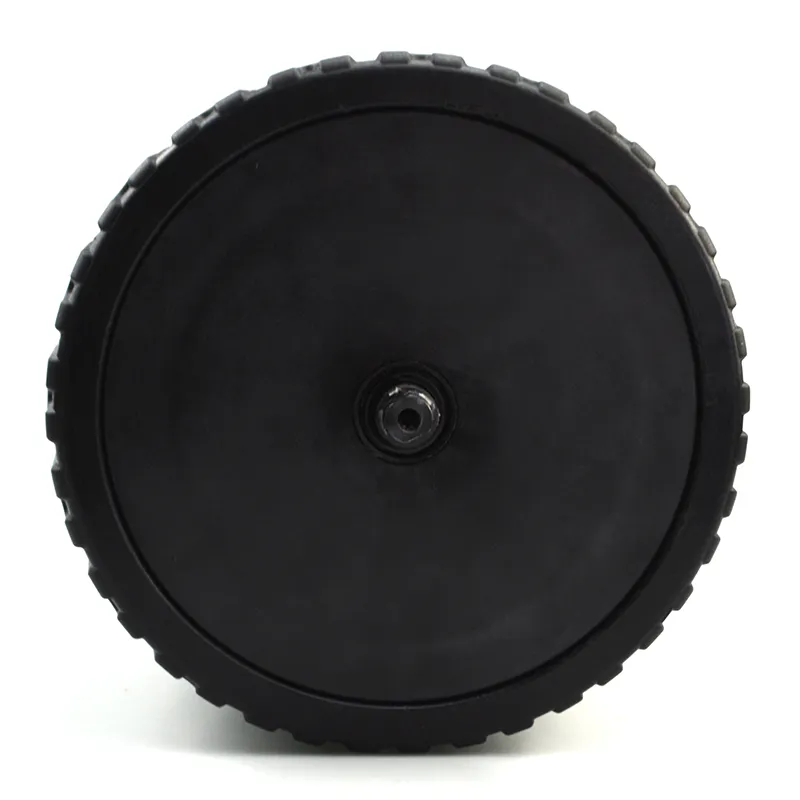
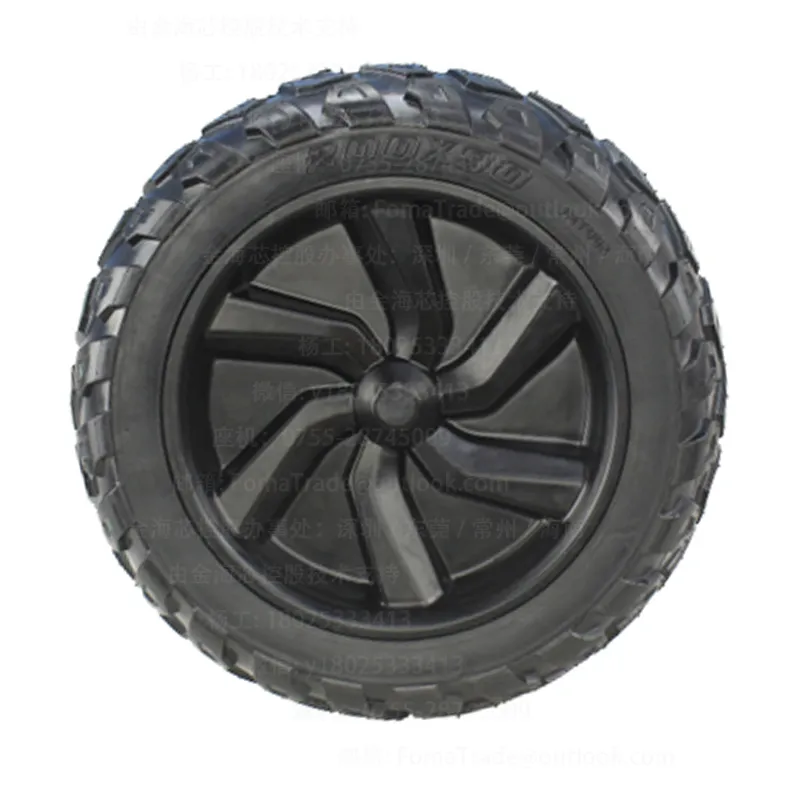
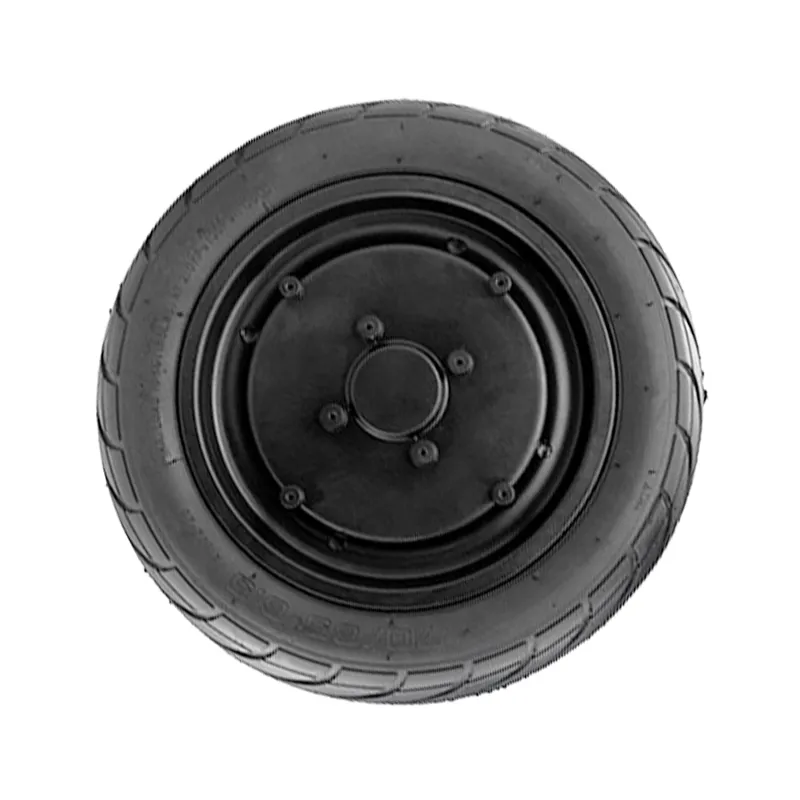
Outdoor camping vehicles rely heavily on the durability and precise installation of motors, especially the 6.5-inch camping motor with its innovative dual-shaft thread design. Ensuring a stable, secure connection is paramount for performance and longevity. However, a frequent pitfall in installation is the mishandling of torque control, which can directly lead to thread damage, connection loosening, and early equipment failure. This article dissects the technical nuances of the dual-axis 115mm standard pitch threading and provides practical guidance on correct installation procedures tailored for both DIY enthusiasts and camping equipment manufacturers.
The 6.5-inch camping motor employs a dual-shaft threaded structure engineered to enhance mechanical stability in harsh outdoor environments. By utilizing two interlocking threaded axes, this design distributes load stresses evenly, reducing wear on individual threads and improving connection rigidity.
The choice of a 115mm standard pitch is no accident—it strikes a balance between threading depth and ease of assembly. This standard pitch avoids the need for secondary machining or custom fittings, thereby minimizing installation complexity and reducing potential mechanical inconsistencies.
Improper torque application is the leading cause of thread deformation or stripping during motor installation. Applying torque beyond recommended levels stresses the threads, causing microfractures or stripping over time. On the other hand, insufficient torque can result in a loose connection, increasing vibrations and accelerating wear.
According to industry testing, the optimal torque range for the 6.5-inch motor with 115mm pitch threads lies between 20 to 25 Nm. Exceeding 30 Nm significantly raises the risk of thread damage, while under 15 Nm compromises connection stability. Installing with torque wrenches calibrated to this specification is a must to ensure consistency and avoid costly repairs.
Follow these detailed steps to guarantee a safe and reliable installation:
Investing in professional-grade tools such as digital torque wrenches with memory settings is advisable, ensuring long-term consistency especially in production lines or repeat installations.
In field applications, a common error includes neglecting torque readjustment after initial usage. Outdoor vibrations and thermal expansion can subtly reduce clamp force resulting in thread loosening. Regular maintenance checks at 100-hour intervals help preempt failures.
Another overlooked factor is thread contamination. When exposed to mud, dust, or moisture, threads can corrode or clog leading to poor torque transfer. Protective thread covers and sealed lubricants recommended by manufacturers mitigate this risk.
Use a calibrated torque wrench during installation. If a torque wrench is not available, tightness should match manufacturer’s specifications and not feel excessively forced or loose.
Minor thread damage can sometimes be fixed with thread repair kits (HeliCoils). However, severe damage affecting load-bearing surfaces typically requires replacement to maintain safety.
Yes. Use lubricants designed for high-load mechanical connections that resist weathering, corrosion, and prevent galling in dual-thread assemblies.
Our 6.5-inch camping motors come with options for tailored dual-thread configurations to suit specific vehicle models and operational demands. We offer expert consultation on torque protocols, tooling selection, and installation training for manufacturing partners or end users.
Ensuring your camping motor installations are precise not only prolongs the functional life of your equipment but also elevates the user experience by minimizing downtime and maintenance.