Home > News > How to Size a Brushless Hub Motor for Low-Voltage Mobility | WWTrade

How to Choose a Brushless Hub Motor Size for Your Equipment

2026-09-30
WWTrade outlines how to assess load, target speed and route conditions when choosing a brushless hub motor for low-voltage electric mobility equipment, and why motor size should be matched to the full system.
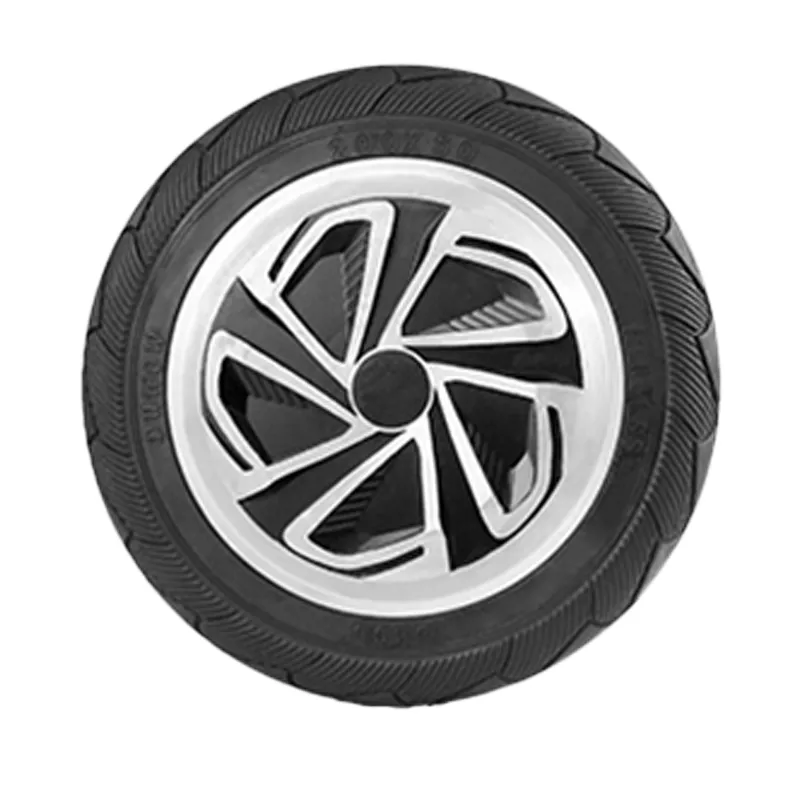
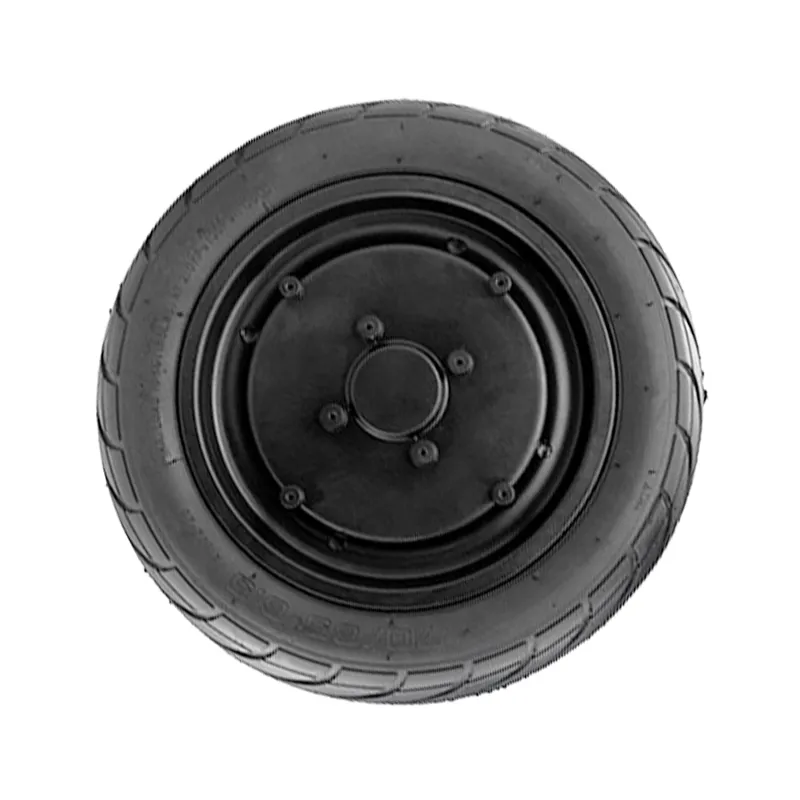
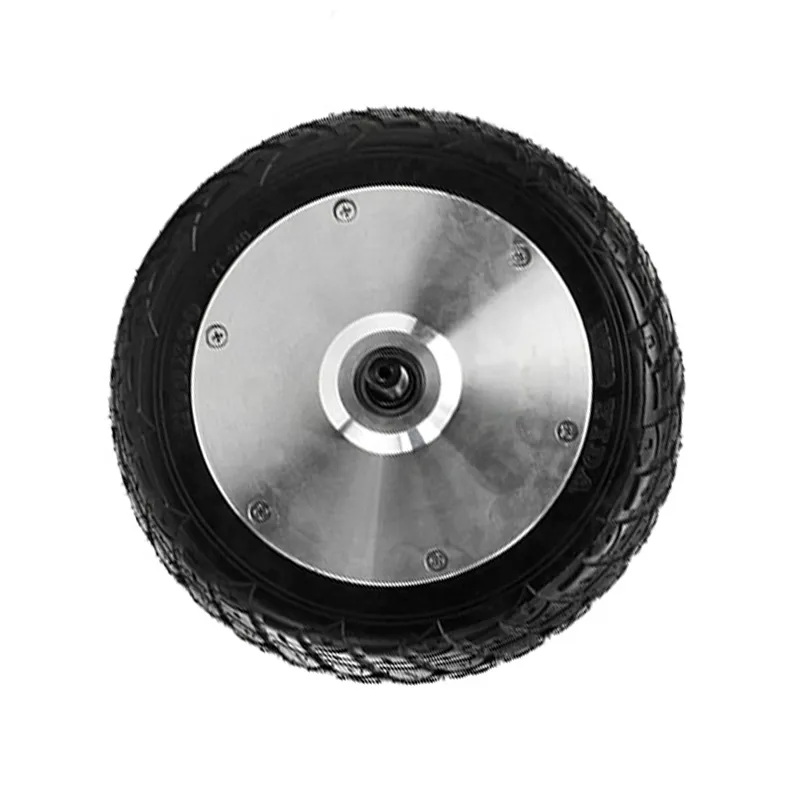
Brushless hub motor selection for low-voltage mobility equipment, illustrating load, target speed and route conditions

Choosing a brushless hub motor size for low-voltage mobility equipment starts with the equipment’s actual requirements—not with the assumption that a larger motor is always better. Load, target speed and route conditions all affect motor selection. These requirements should be checked against documented motor specifications and considered as part of the complete system, including the drive controller and battery pack.

What “motor size” means in selection

Motor size is not a decision based on a single attribute. The useful question is whether a motor’s documented specifications suit the equipment’s intended load, required speed and operating route. A motor should be evaluated in the context of its application and its compatibility with the other low-voltage electrical components.

Because equipment requirements and product specifications vary, there is no universal motor size that is suitable for every application. Confirm the relevant specifications for the specific motor under consideration before making a selection.

Three factors to assess

1. Equipment load

Establish the load the equipment is expected to carry or move in its intended use. Compare that requirement with the motor’s documented specifications rather than relying on an estimate based only on the equipment’s appearance or category.

2. Target speed

Define the speed the equipment needs to achieve in its intended operating context. Check whether the motor’s available product data supports evaluating that requirement; do not infer speed capability from motor size alone.

3. Route conditions

Describe the route and operating conditions the equipment is expected to encounter. Route conditions are part of the selection context and should be considered alongside load and target speed when reviewing product data.

Match the motor to the complete system

A brushless hub motor is one part of a low-voltage electric mobility system. When comparing options, consider the documented compatibility of the motor with the drive controller and battery pack. A motor choice should not be treated as a standalone decision if the other system components have not also been reviewed.

Use product-specific technical information to verify the requirements and compatibility relevant to your equipment. If the available information does not establish suitability, request clarification before finalizing the selection.

A practical selection sequence

  1. Describe the application. Identify the equipment and how it is intended to be used.
  2. Set the requirements. Record the expected load, target speed and route conditions.
  3. Review motor documentation. Compare the requirements with the specifications available for the specific brushless hub motor.
  4. Check system compatibility. Review the motor together with the drive controller and battery pack, using their product-specific information.
  5. Resolve information gaps. Confirm any unclear specifications or compatibility questions with the supplier before choosing.

Common selection mistakes to avoid

  • Selecting a motor solely because it appears larger or smaller.
  • Considering load while overlooking target speed or route conditions.
  • Assuming that a motor will work with a controller or battery pack without checking product-specific compatibility information.
  • Applying specifications or suitability claims from one product to another without supporting documentation.

How WWTrade can support evaluation

WWTrade, the brand of Shenzhen Jinhaixin Holdings Co., Ltd., provides low-voltage three-electric-system products, including brushless hub motors, drive controllers and battery packs. The company supports customer-focused customization and technical support. The suitability, specifications and customization scope of a particular product depend on its corresponding product information and the equipment requirements. Sharing the intended load, target speed, route conditions and relevant system details can help make a product discussion more focused.

Selection principle: Choose a brushless hub motor by matching documented product specifications to the equipment’s load, target speed and route conditions, then review compatibility with the drive controller and battery pack. Avoid assuming that a larger or smaller motor is inherently the right choice.

Name *
Email *
Message *
Recommended Products
8-inch diameter, 200mm tire width, 45mm single-sided pressure shaft cyclone motor
优势特点:1. "Stable Cyclone Power Output": Equipped with a single-sided pressure shaft structure, it enhances operational stability from the root and reduces vibration and component wear during high-frequency use; at the same time, it is tuned to deliver "cyclone-level" strong power, with fast start-up response and linear power output, which not only meets the smooth range requirements of commuter devices, but also adapts to the short-term high-frequency power scenarios of leisure devices. 2. "More Flexible Batch Customization": Supports large-scale batch procurement and parameter customization. Power parameters and shaft length details can be adjusted according to equipment model and usage scenario. Provides standardized B-end procurement services, with dedicated personnel handling the entire process from sample testing to batch delivery, balancing customization flexibility and delivery efficiency. It is the preferred supply chain solution for transportation equipment manufacturers and leisure equipment brands. Installation Instructions 1. Connect the motor to the controller and power supply according to the wiring diagram on the controller. 2.The tire is installed outside the outer rotor hub. 3. When the power cord passes through metal parts, it should be protected by non-metallic products. 4. When the driver is powered on, pay special attention to whether the motor stops rotating, gets stuck, or heats up abnormally quickly. The power must be turned off and on within three seconds to adjust the electrical angle or drive output to prevent motor failure